
In today’s fast-paced real estate market, standing out in a sea of listings can be a challenge. You might be wondering how to make your property pop in online listings or how to showcase its potential to buyers who can’t visit in person. This is where virtual home staging enters the picture. It’s a modern solution to an age-old problem in real estate: how to make a property appealing to the widest array of potential buyers.
Virtual home staging is the process of using digital tools to furnish and decorate a property in photographs. This technique helps in enhancing the appeal of a property by showcasing its potential, all without the need for physical furniture or decorations.
This blog will dive deep into the nuts and bolts of virtual home staging. From understanding its cost-effectiveness and applications in real estate, to comparing it with traditional staging methods and exploring its limitations, you’re in for a comprehensive guide.
What is Virtual Staging?
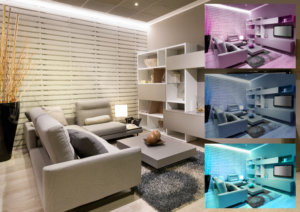
Virtual staging uses 3D modeling to add furniture, decor, and even wall colors to photos of empty rooms. It’s like playing a home design video game, but for real properties! The goal? To help potential buyers visualize the space as their future home.
I’ve seen firsthand how virtual staging can turn a ‘meh’ listing into a ‘wow’ one. It’s a cost-effective alternative to traditional staging, which involves renting and physically placing furniture in a home. Plus, it opens up a world of design possibilities — imagine swapping out a sofa or changing the wall color with just a few clicks.
Imagine you’re scrolling through home listings. Which catches your eye more: a bare, lifeless space or a beautifully furnished room? Virtual staging adds warmth and life to listings, making them more appealing. It’s not just about adding furniture; it’s about creating a mood and a connection.
Personal Experience: Here’s a little secret from my own experience: virtual staging was a game changer for selling my property. It helped potential buyers see the space’s potential, leading to a quicker sale. It’s a tool I’d recommend to anyone looking to sell their home.
How does virtual staging work?

The world of virtual staging feels like stepping into a blend of technology and interior design. It’s a process where creativity meets digital prowess, and the result? A visually appealing, furnished space that exists only on your screen. Let’s break down how this fascinating process works, shall we?
Step 1: The Blueprint Begins with Photos
It all starts with high-quality photos of the empty space. This is the canvas on which the virtual magic will happen. Crisp, clear images are crucial, as they serve as the foundation for the staging process.
Step 2: Choosing the Style
Next up, deciding the style. This is where you get to play around with different aesthetics. Whether it’s contemporary chic, boho vibes, or classic elegance, the style sets the mood.
Step 3: The Digital Transformation
Here’s where the tech magic happens. Using sophisticated 3D modeling software, designers add furniture, decor, and sometimes even paint to the photos. This stage is all about precision and an eye for detail. Think of it as digitally furnishing the space to make it look its best.
Step 4: The Fine-Tuning
Now, it’s time for adjustments and revisions. Maybe that armchair looks better near the window, or perhaps the room needs a splash of color with some art. This step is all about refining the details to perfection.
Step 5: The Final Reveal
The final product is a set of beautifully staged photos ready to woo potential buyers. These images can now be used in listings and marketing materials, showcasing the property’s full potential.
Comparison between Virtual and Traditional Home Staging
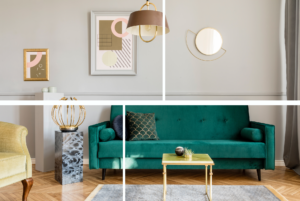
When it comes to preparing a property for sale, staging is like the secret sauce that can make all the difference. But here’s the twist: there are two flavors to choose from – virtual and traditional staging. Each has its unique strengths and quirks.
Cost and Efficiency
Virtual staging takes the cake for being cost-effective. Traditional staging, while impactful, can really stretch your budget. You’re not just paying for furniture rental but also for the logistics of moving and setting it up.
Virtual staging, on the other hand, only requires a fraction of that cost. Plus, it’s faster – no waiting around for furniture deliveries!
Flexibility and Customization
Here’s where virtual staging shines. Want to switch up the style of a room? A few clicks, and it’s done.
Traditional staging is more like a one-time deal; once the furniture is in, that’s pretty much it. The flexibility of virtual staging allows for a range of styles and setups, appealing to a broader audience.
Realism and Tangibility
Traditional staging has the upper hand in giving a real feel of the space. It allows potential buyers to physically experience the home.
They can walk around, sit on the furniture, and really get a sense of the place. Virtual staging, while visually appealing, can’t replicate this tangible experience.
Time and Effort
Think about the time and effort involved. Traditional staging is a more hands-on process requiring physical effort and coordination. Virtual staging is a breeze in comparison. It’s all done digitally, saving you time and sweat.
Impact on Buyers
From a buyer’s perspective, traditional staging helps in physically visualizing themselves in the space.
However, virtual staging can also be powerful, especially in today’s digital age where most home searches begin online. It can make online listings pop and attract more interest.
Limitations of Virtual Home Staging

Virtual home staging is like a magic wand for real estate listings, but even magic has its limits. Let’s peel back the curtain and look at some of the challenges you might face with virtual staging.
- Lack of Physical Experience: Virtual staging can’t replicate the feeling of walking through a physically staged home. It’s one thing to see a cozy reading nook in a photo and another to actually sit in it. This tactile experience is something virtual staging just can’t offer.
- Potential for Misrepresentation: There’s a fine line between enhancing a space and misleading viewers. Over-staging a property virtually can set unrealistic expectations for potential buyers. Trust me, you don’t want disappointed faces during viewings because the actual space doesn’t live up to the staged photos.
- Technical Limitations: The quality of virtual staging largely depends on the software and the skill of the designer. Sometimes, digitally added furnishings can look a bit artificial or out of place. It takes a skilled eye to make these additions look natural and appealing.
- Not Suitable for All Properties: If a property has unique architectural features or quirks, capturing these effectively through virtual staging can be challenging. In my experience, some properties just need that real, physical staging to highlight their best features.
- Dependency on Quality Photography: Virtual staging starts with the base photographs, and if these aren’t top-notch, the staging might fall flat. Poor lighting, low resolution, or unflattering angles can limit the effectiveness of even the best virtual staging.
- Limited Appeal to Certain Buyer Segments: While many buyers are tech-savvy and appreciate virtual staging, others might prefer the authenticity of traditional staging. Especially in the luxury market, where buyers expect a certain level of presentation, virtual staging might not always hit the mark.
- Can Be Overlooked in Online Listings: With the sheer volume of online real estate listings, those with virtual staging can sometimes blend in. Standing out in a crowded digital marketplace requires more than just attractive staging; it needs a strategic marketing approach.
Applications of Virtual Home Staging in Real Estate
Virtual home staging is not just a tool; it’s a revolution in the real estate industry. It’s like having a digital magic wand that can transform any space at the click of a button. But what exactly can you do with this wand?
Enhancing Online Property Listings
In the digital age, the first showing happens online. Virtual staging can turn bland, empty rooms into eye-catching, desirable spaces in online listings.
It’s a visual feast that grabs attention and helps potential buyers envision the property as their future home. I’ve personally seen listings with virtual staging get more clicks and inquiries than those without.
Marketing Vacant Properties
Got an empty property? No problem! Virtual staging fills up those vacant spaces with stylish furnishings and decor, making them more appealing to buyers. It’s a cost-effective way to present a property in its best light without the hefty price tag of physical staging.
Visualizing Renovation Possibilities
Ever seen a fixer-upper and wondered what it could look like with a bit of TLC? Virtual staging can help there too. It can showcase the potential of a property by digitally renovating spaces, thus helping buyers to visualize the transformation possibilities.
Offering Multiple Design Options
One property, many possibilities! Virtual staging can create different looks for the same space, catering to a range of tastes and styles.
This flexibility allows real estate agents to appeal to a broader audience by showing various design aesthetics.
Speeding Up the Sales Process
In my experience, properties that are virtually staged often sell faster. They stand out in the market, and the appealing visuals help speed up the decision-making process for buyers. It’s like giving buyers a glimpse into the future of what their new home could look like.
Assisting with Remote Buying Decisions
For buyers shopping for homes from afar, virtual staging is a game-changer. It provides a realistic and attractive representation of the property, aiding in remote decision-making.
It’s especially beneficial in today’s globalized world, where buyers might not always visit a property in person.
Cost of Virtual Home Staging
Generally, the cost of virtual staging is significantly lower than traditional staging, which is one of its biggest draws. The price can vary based on several factors like the number of rooms to be staged, the complexity of the design, and the reputation of the staging company. Typically, you could be looking at anywhere from $50 to $200 per room.
This range is quite broad because it depends on how elaborate the virtual staging is. Do you want just a few pieces of furniture added, or are you looking for a full-blown interior makeover? The more detailed and comprehensive the staging, the higher the cost.
Conclusion
Virtual home staging digitally enhances property photos to boost their appeal in the real estate market. It involves furnishing and decorating spaces in images, offering a cost-effective and flexible solution for showcasing a property’s potential, without the need for physical staging elements.
In conclusion, virtual home staging is a powerful tool in the real estate toolkit. It’s not just about beautifying a space; it’s about unlocking its potential and helping buyers envision themselves in it.
While it has its limitations, such as the lack of physical interaction and potential for unrealistic expectations, the benefits often outweigh these concerns. It’s cost-effective, flexible, and can significantly expedite the selling process.