
If you’re delving into the world of “Photorealistic Rendering Architecture,” you’re likely seeking to transform abstract architectural ideas into tangible, lifelike visualizations. This need arises from the desire to accurately communicate design concepts, bridge the gap between imagination and reality, and make informed decisions before the actual construction begins.
Photorealistic renders serve as a powerful tool, enabling architects, clients, and stakeholders to visualize and refine architectural projects with unprecedented clarity and detail.
Photorealistic rendering in architecture involves creating highly detailed, realistic images using advanced computer graphics. This technique transforms architectural designs into 3D visualizations that are almost indistinguishable from real-life photographs, allowing for a clearer understanding and presentation of architectural projects.
This blog will guide you through the nuances of photorealistic rendering, covering various aspects such as types of architectural rendering, essential tips for achieving realism, and the impact of technology on this art form. Whether you’re an architect, a student, or simply an enthusiast, the insights shared here will deepen your understanding and appreciation of this fascinating field.
What is Photorealistic Rendering in Architecture
Photorealistic rendering in architecture refers to the process of creating highly detailed, lifelike images of architectural designs using advanced computer graphics techniques.
This method transforms blueprints and design concepts into 3D visual representations that are as close to reality as possible. It’s an incredible tool, especially when you need to visualize how a building or space will look before it’s built.
The evolution of technology has significantly impacted the quality and capabilities of photorealistic rendering.
Advanced software and powerful computing resources enable architects and designers to add intricate details, realistic textures, and accurate lighting to their renders. These features help in creating images that not only represent the structure but also evoke the atmosphere and feel of the space.
Personal Insights: The key to successful photorealistic rendering lies in the balance between technical precision and artistic creativity. While the software does the heavy lifting, it’s the architect’s vision that breathes life into the render. I suggest starting with a clear understanding of the project’s purpose and the emotions you want to evoke. This clarity will guide your choices in texturing, lighting, and detailing, making the render not just photorealistic but also emotionally resonant.
Tips for Photorealistic Architectural Rendering
Tools and Software
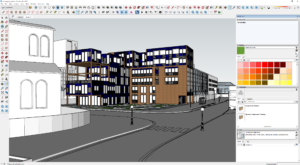
When it comes to photorealistic rendering in architecture, the software you choose plays a pivotal role. Programs like 3ds Max, V-Ray, and SketchUp offer diverse functionalities that cater to different rendering needs.
Familiarize yourself with the strengths and limitations of your software. It’s like choosing the right type of paint for a canvas; the better you know your tools, the more effectively you can use them.
Lighting and Shadows
Lighting isn’t just about making your render visible; it’s about setting the mood. The way light interacts with the environment can drastically change the perception of space.
Pay attention to both natural and artificial lighting. Experiment with different times of the day and observe how shadows fall. This attention to detail can make your render go from good to breathtaking.
Texture and Material Realism

In the world of photorealistic rendering, textures and materials bring a design to life. The key here is subtlety. Real-world materials are never perfect; they have imperfections, variations, and unique characteristics.
Include these nuances to add depth and authenticity to your render. Remember, it’s these little details that often make the biggest difference.
Composition and Framing
Think of your render as a photograph. How you frame and compose your image can tell a story. Experiment with different angles and perspectives.
Showcasing your design in various contexts, such as a bustling street view or a serene evening, can provide a comprehensive understanding of the space. It’s not just about showcasing a building; it’s about presenting a world where that building exists.
Environment and Context
A building doesn’t exist in isolation. Its surroundings play a crucial role in how it’s perceived. Include elements like vegetation, people, and neighboring structures to give your render a sense of place.
This doesn’t just add realism; it also helps clients understand how the project fits within its environment.
Types of Architect Rendering
1. Residential Exterior Rendering
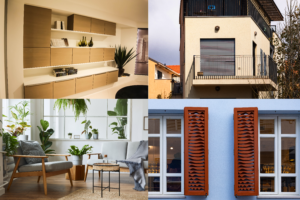
Residential exterior rendering is all about creating a warm, inviting image that captures the essence of a home. The focus is on portraying a livable, attractive space that potential homeowners can see themselves in.
Key elements include the use of natural lighting, the integration of the landscape with the building, and attention to the textures and materials of the exterior. It’s essential to convey a sense of comfort and practicality, showing the home in various settings like dawn, dusk, or with seasonal variations to give a comprehensive view.
2. Commercial Exterior Visualization
When it comes to commercial exterior visualization, the approach shifts significantly. Here, the emphasis is on showcasing the structure’s design, scale, and its integration within a commercial or urban setting. This type of rendering needs to communicate the functionality of the space while also highlighting architectural uniqueness.
Details like the flow of people, the interaction with the surroundings, and the use of commercial spaces are crucial. Lighting plays a different role here, often used to emphasize the building’s geometry and design features.
3. Hospitality CGI
Hospitality CGI, covering hotels, resorts, and other leisure facilities, demands a unique approach. The goal is to evoke a sense of luxury, relaxation, or excitement, depending on the property’s character.
This type of rendering often includes detailed interiors, lush landscaping, and amenities like pools or dining areas. It’s not just about the building but the experience it offers.
Vibrant colors, dynamic lighting, and a focus on the ambience are key components. Creating a sense of place and an emotional connection with the viewer is paramount.
4. Residential Interior Rendering
Residential interior rendering is a fascinating realm where the goal is to create a space that feels like home. This type of rendering focuses on the intricacies of interior design – from the furniture and fixtures to the textures and color schemes.
The challenge here is to evoke a sense of comfort, functionality, and style. Lighting plays a crucial role, highlighting the living spaces’ warmth and ambiance. Elements like window views, the interplay of indoor with outdoor spaces, and even small details like décor and household items, are vital in making the space feel lived-in and realistic.
5. Commercial Interior 3D Visualization
Commercial interior 3D visualization, on the other hand, demands a different approach. This style caters to business environments such as offices, retail spaces, or restaurants. Here, the focus shifts to showcasing the functionality and the brand identity of the space.
It’s crucial to convey how the space facilitates business activities while also maintaining an appealing aesthetic. Key elements include the layout of the space, the use of corporate colors and branding, and the integration of technology.
Lighting is used more strategically, often to highlight key features or create a specific mood conducive to the business’s nature.
Conclusion
Photorealistic rendering in architecture is a game-changing technology that enhances the visualization and presentation of architectural designs. It bridges the gap between conceptual designs and reality, providing clients and architects with a detailed, lifelike representation of their projects.
In conclusion, photorealistic rendering stands as a monumental shift in architectural visualization. It’s not just about creating pretty pictures; it’s a crucial tool that brings architectural concepts to life, aids in better decision-making, and fosters a deeper connection between the design and its audience.
If I were to leave you with a parting thought, it would be this: embrace this technology not just as a means to an end, but as an integral part of the architectural design process. It’s a canvas where your technical skills and creative vision can coalesce to produce something truly remarkable.