Request A Quote
Give us a little information about your next project and we will get back to you right away

In the evolving field of hospital design, effective 3D rendering plays a crucial role in shaping modern healthcare environments. At 3DRenderHub, we specialize in creating detailed and immersive visualizations that enhance both interior design and exterior aspects of healthcare facilities. Our advanced 3D rendering techniques allow architects and stakeholders to visualize and refine patient room layouts, ward configurations, and intensive care units before the actual construction begins.
Our services ensure that every element of the hospital design—from the overall architectural approach to specific interior design features—is meticulously planned and presented. By integrating high-quality 3D renderings, we help clients and architects make informed decisions, improve design accuracy, and enhance the functionality of each space. This collaborative approach not only streamlines the design process but also ensures that the final outcome meets the highest standards of efficiency and patient care.
3D rendering plays a crucial role in transforming modern interior design for healthcare facilities, including hospitals and care centers.
This advanced technology provides detailed and accurate visualizations of hospital spaces, allowing stakeholders to see a realistic preview of the proposed hospital or renovation before actual construction begins. Through these visualizations, the alignment of design and construction elements with the intended architecture design is achieved more efficiently.
This process ensures that all aspects of the facility, from patient rooms to emergency departments, are well-integrated and meet the required standards.
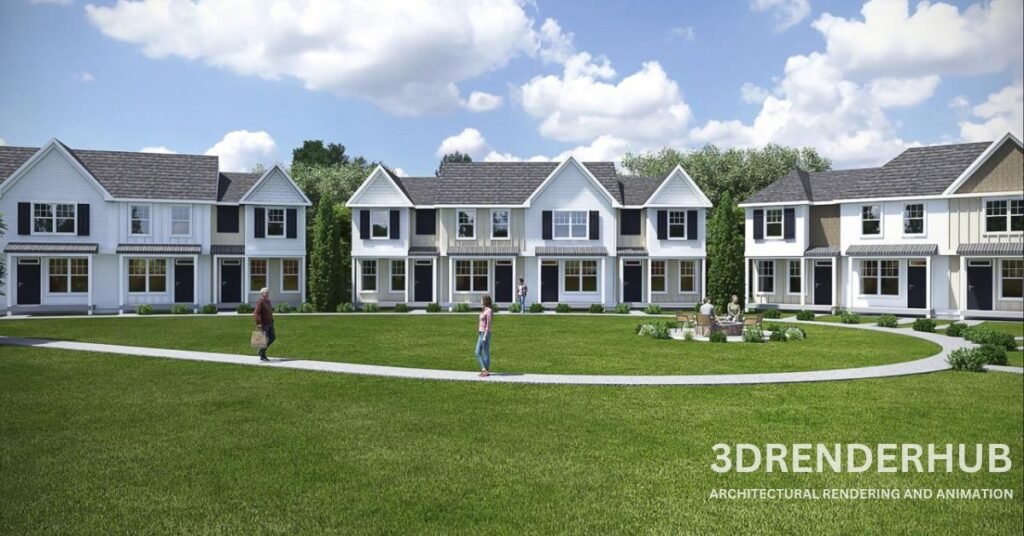
One of the most significant benefits of 3D rendering is its ability to enhance patient experience. By visualizing modern interior design concepts, healthcare providers can make informed decisions about how to best utilize hospital spaces to improve patient comfort and safety. Wayfinding, an essential aspect of healthcare design, is made more intuitive through detailed 3D renderings. This helps in creating clear pathways and signage, reducing confusion and improving the overall flow within the facility.
Architectural visualization plays a pivotal role in improving patient experience by providing detailed and accurate previews of care environments before construction begins. This advanced approach allows designers, architects, and stakeholders to create and evaluate design features that are critical for patient well-being. By utilizing 3D rendering and other visualization techniques, the spatial layout, design elements, and overall ambiance of healthcare facilities can be thoroughly assessed and optimized. This early insight helps in ensuring that the final build meets the needs of patients and staff alike, enhancing the functionality and comfort of the environment.
One of the primary benefits of architectural visualization is its ability to refine design features that directly impact the patient experience. For instance, visualizations help in planning the illumination and ambient settings within healthcare facilities. Proper lighting is essential not only for creating a welcoming atmosphere but also for reducing patient stress and improving overall comfort. By visualizing different lighting schemes, designers can select the most suitable options that enhance the atmosphere and functionality of spaces such as waiting areas, patient rooms, and neurology departments.
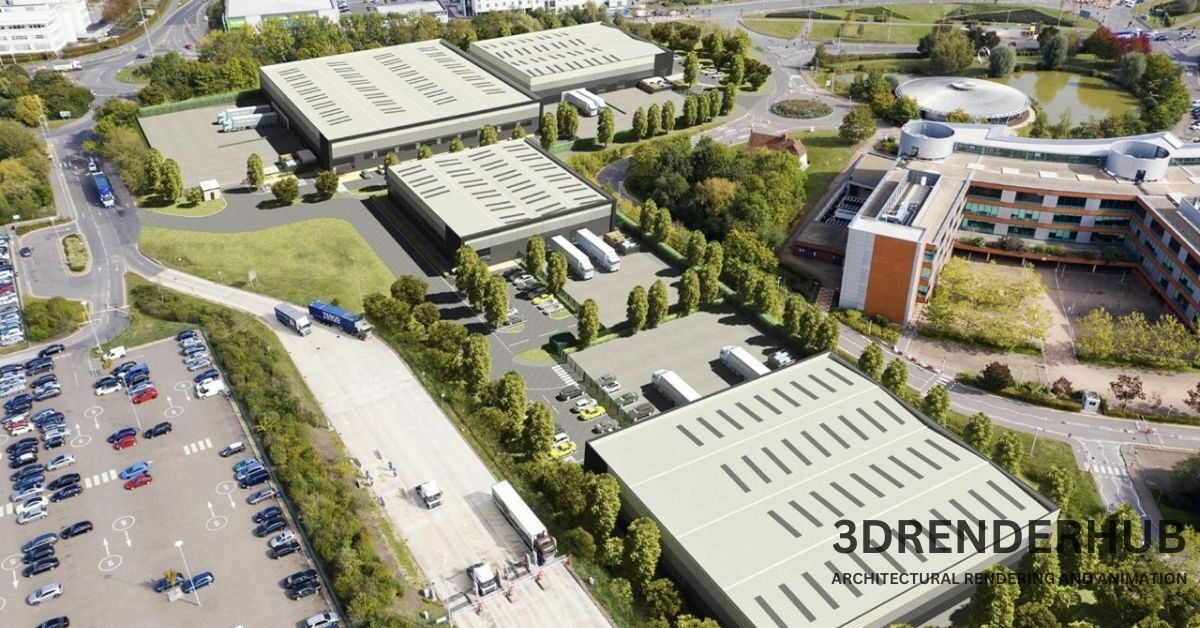
Stakeholders in hospital design increasingly favor 3D rendering services for their ability to provide a detailed and accurate visualization of design approaches. Unlike traditional blueprints, 3D renderings offer a comprehensive view of how the hospital will look and function, from the overall layout to specific materials and finishes. This level of detail allows stakeholders to evaluate and adjust various aspects of the design, ensuring that the final product aligns with their vision and requirements.
Incorporating health design principles into hospital projects is essential for creating environments that support patient well-being and operational efficiency. 3D rendering services enable stakeholders to see how these principles are applied in real-world settings. By visualizing the integration of elements such as environmental design, lighting, and spatial layout, stakeholders can ensure that the design supports the health and comfort of patients while meeting regulatory and operational standards.
3D rendering services are instrumental in facilitating informed design decisions. By creating realistic and interactive visualizations, stakeholders can better understand how different design elements will impact the hospital’s functionality and aesthetics. This capability is crucial for making adjustments before construction begins, reducing the risk of costly changes later in the process. The ability to visualize different design approaches helps in selecting the best options that meet both practical and aesthetic needs, ultimately leading to a more successful project outcome.
Give us a little information about your next project and we will get back to you right away
3D 360 panorama
Residential Rendering
• for Government & Education Organizations
• for Retail
• for Engineers, Constructors and Builders


14090 Southwest FWY, Sugar Land, Texas 77479. USA
Contact Us:
E-mail: