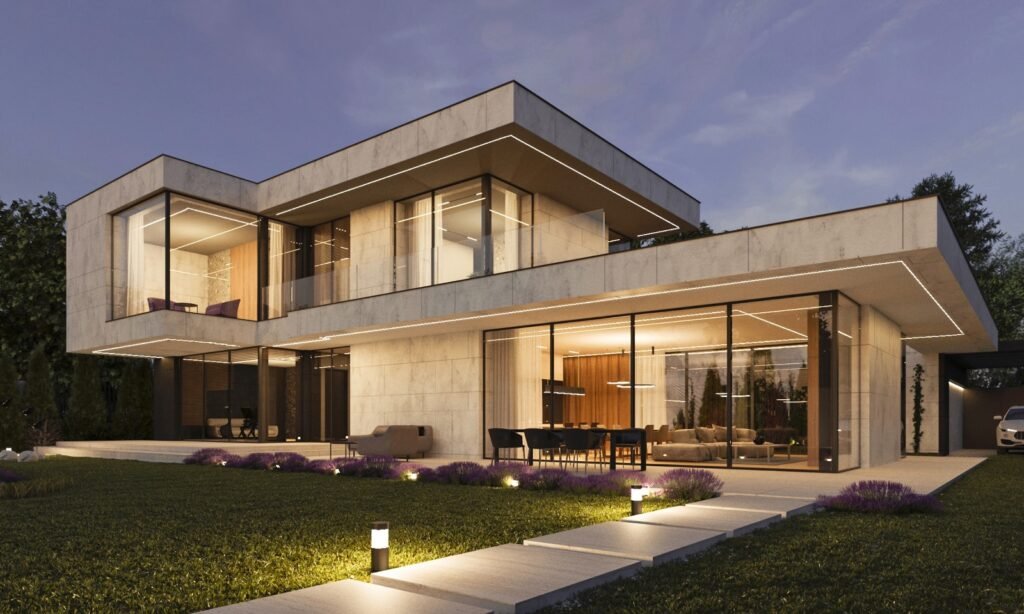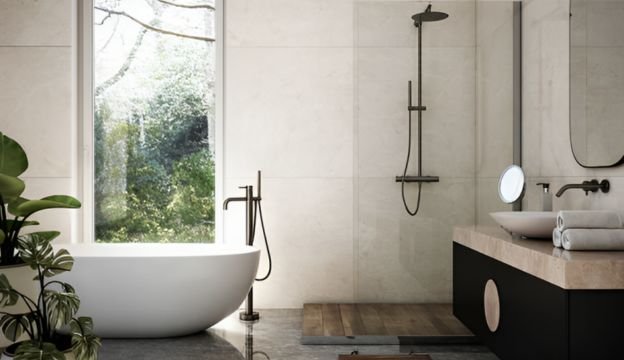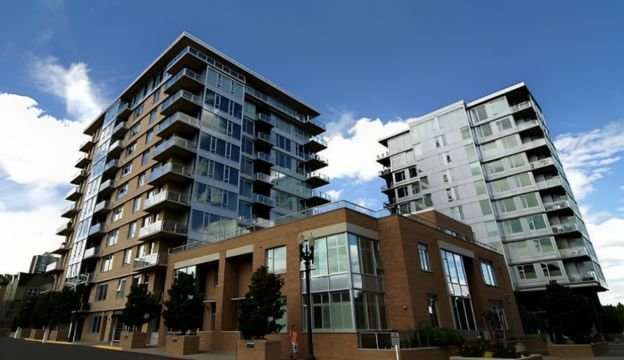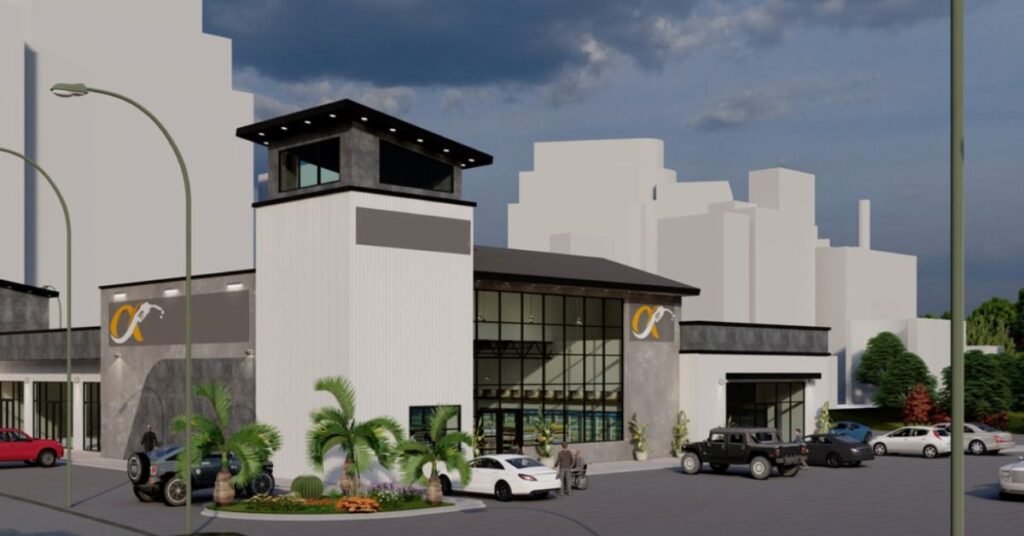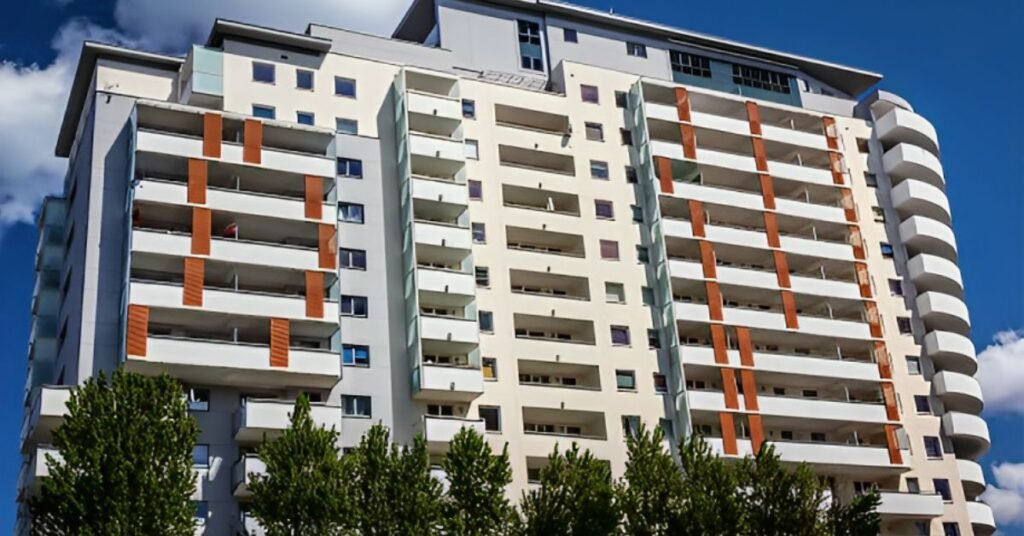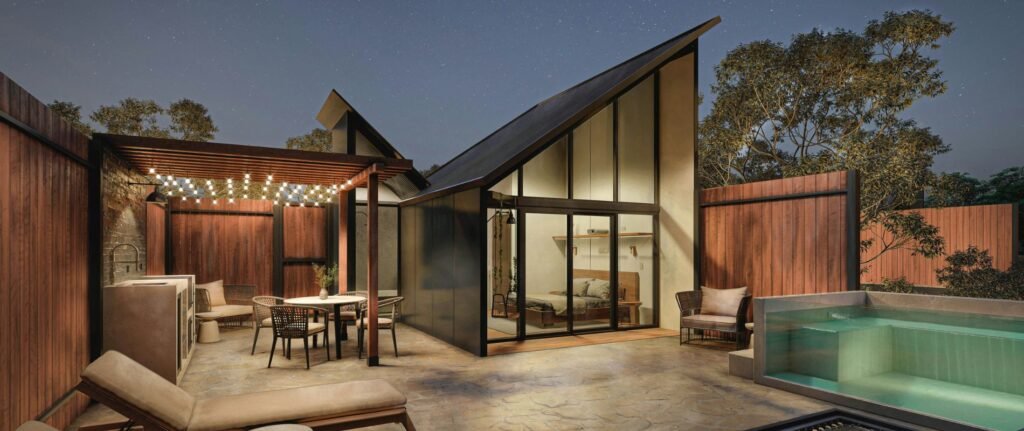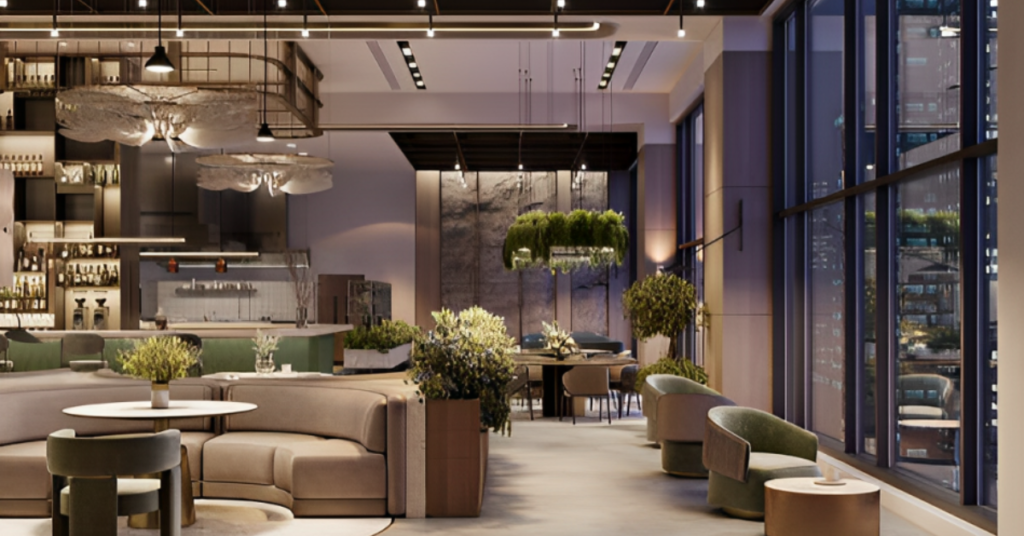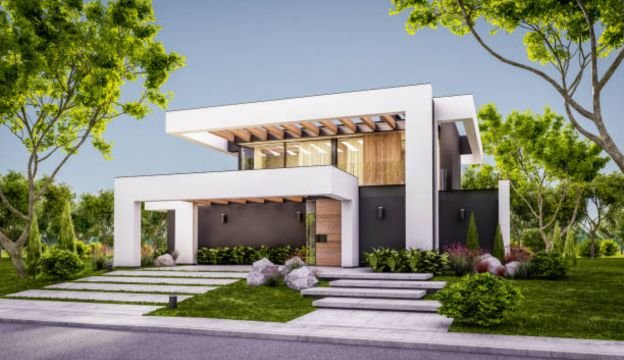
Discover the Types and Advantages of 3D Rendering Services with 3DRenderHub: The Ultimate Guide to Architectural Visualization

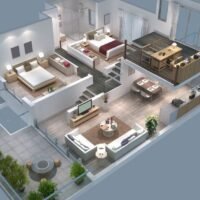
3drenderhub offers comprehensive 3D rendering services designed to meet the needs of architects and designers. Whether you are an experienced architect aiming to enhance your workflow or a newcomer eager to learn, our agency provides a range of services including Exterior Rendering, Residential Rendering, Commercial Rendering, Townhouse Rendering, and Dollhouse Rendering. By using advanced 3D model techniques, we create realistic visualization that brings your projects to life.

The benefits of 3D rendering are manifold, particularly in the field of architectural rendering. With our services, you can use 3D visualization to effectively communicate design ideas and make informed decisions. Our interior design and lighting solutions, crafted by skilled interior designers, ensure that every detail is meticulously planned and executed. Discover how 3drenderhub can elevate your projects through 3D render techniques and enhance your overall design process.

Advantages of 3DRenderHub’s Services

  • Wide Range of Services: Offering Exterior Rendering, Residential Rendering, Commercial Rendering, Townhouse Rendering, and Dollhouse Rendering ensures comprehensive project coverage.
  • Innovative Approach: Our young and dynamic team brings ingenuity to every project, making each one unique and tailored to our clients’ needs.
  • Enhanced Visualization: Utilizing advanced techniques such as 3D animation and photorealistic rendering to effectively visualize designs.
  • Cost-Effective Solutions: Providing high-quality results at competitive rates, catering to various project scales and budgets.
  • Marketing Advantage: Creating impactful marketing materials that showcase designs and engage stakeholders effectively.
  • Streamlined Design Process: From initial concepts to final interior rendering, our services streamline the design process and facilitate better decision-making.
  • Versatile Solutions: Capable of converting 2D designs into immersive 3D representations that accurately represent project visions.

The Impact of Advanced Rendering Techniques on Architectural Design

At 3DRenderHub, we pride ourselves on offering a wide array of 3D rendering services tailored to meet the needs of architects, designers, and beyond. Our expertise extends beyond Exterior Rendering to encompass Residential, Commercial, Townhouse, and Dollhouse Rendering. Whether you are a seasoned professional in architecture and design or a newcomer exploring 3D architectural visualization, our agency is committed to delivering top-notch solutions that elevate your projects.

Advantages of Utilizing 3D Rendering

Advantages of 3D rendering are abundant in modern design practices. From photorealistic rendering that brings concepts to life to real-time rendering that allows for immediate adjustments, our services empower clients to visualize their projects with clarity and precision. Through detailed 3D images and the ability to explore different angles, architects and designers can effectively communicate their ideas and make informed decisions.

Enhancing Design and Visualization

Our 3D services extend beyond traditional architectural renderings. We specialize in visualizing intricate 3D objects, aiding in product design, and creating immersive virtual tours that provide stakeholders with a comprehensive view of the project. By harnessing advanced 3D architectural visualization techniques, we ensure that every detail is meticulously crafted to meet your specifications.

Tailored Solutions for Every Project

At 3DRenderHub, we understand the diverse needs of our clients. Whether you require highly detailed interior renderings for residential projects or expansive commercial visualizations for marketing purposes, our team is equipped to deliver. Each project is approached with creativity and precision, ensuring that our solutions not only meet but exceed expectations.

Commitment to Quality and Innovation

Our commitment to quality is reflected in every project we undertake. We leverage the latest technology and software to achieve photorealistic results that captivate and inspire. By staying at the forefront of industry trends and innovations, we continuously evolve our techniques to provide cutting-edge 3D rendering solutions.

How Can 3D Rendering Services Enhance Your Project’s Visual Appeal?

In the realm of architecture and design, 3D rendering services play a pivotal role in transforming ideas into visually captivating realities. At 3drenderhub, we specialize in a range of services including Exterior, Residential, Commercial, Townhouse, and Dollhouse Rendering. Whether you are an established architect looking to streamline your workflow or a newcomer eager to explore the possibilities, our agency is dedicated to providing solutions that elevate your projects.

Visualizing Complex Architectural Designs

One of the primary benefits of utilizing 3D architectural rendering services is the ability to visualize complex architectural designs with unparalleled clarity. Unlike traditional 2D drawings, 3D rendered images offer depth and perspective, allowing architects and designers to present their concepts in a realistic manner. This not only enhances the visual appeal but also enables stakeholders to grasp the project’s spatial layout and aesthetic impact.

Creating Realistic and Engaging Presentations

3D rendering offers architects and designers the advantage of creating rendered images that are not only visually striking but also highly realistic. By simulating materials, textures, and lighting conditions, rendered visuals provide a preview of the final product that is almost indistinguishable from reality. This capability not only aids in decision-making processes but also allows clients and investors to envision the project’s potential with greater confidence.

Utilizing Virtual Tours for Enhanced Understanding

Another significant way in which 3D rendering services benefit architects and designers is through the creation of immersive virtual tours. These tours allow stakeholders to explore the project from different angles and perspectives, providing a comprehensive understanding of its spatial layout and design features. Virtual tours are invaluable tools for marketing purposes, as they enable potential buyers or investors to experience the property or concept in a dynamic and interactive manner.

Enhancing Collaboration and Communication

Effective communication is key to successful project execution. Designers and architects can benefit from 3D rendering by using rendered visuals to convey ideas and concepts more effectively to clients, collaborators, and construction teams. This visual clarity reduces ambiguity and ensures that all parties involved are aligned with the project vision, leading to smoother workflows and better outcomes.

Exploring the Benefits of 3D Models in Architectural Visualization

In the realm of architecture and design, 3D rendering has revolutionized the way projects are visualized and presented. At 3drenderhub, we specialize in a variety of rendering services including Exterior, Residential, Commercial, Townhouse, and Dollhouse Rendering. Whether you’re an experienced architect looking to streamline your workflow or a newcomer eager to explore innovative tools, our agency is committed to providing comprehensive solutions.

Enhanced Visualization and Realism

3D models serve as a powerful tool in architectural visualization, offering unparalleled realism and detail. Unlike traditional 2D drawings, 3D rendering allows architects to create lifelike representations of architectural designs. This capability enhances the visualization process, enabling architects and clients to accurately visualize the final project based on a 3D model.

Flexibility and Adaptability

One of the key advantages of 3D rendering is its flexibility. Architects can easily modify and experiment with different design elements such as materials, textures, and furniture arrangements within the 3D model. This flexibility allows for iterative design processes where changes can be made swiftly based on client feedback or project requirements, leading to more refined and satisfactory outcomes.

Communication and Collaboration

3D rendering facilitates effective communication and collaboration among stakeholders involved in the project. By presenting detailed renderings and walkthroughs, architects can effectively convey design ideas to clients, potential clients, and project collaborators. This visual clarity reduces misunderstandings and ensures that everyone involved has a clear understanding of the project vision.

Utilizing Animation and Interactive Features

In addition to static renderings, 3D rendering also offers animation services that bring designs to life. Animated walkthroughs and flyovers allow viewers to explore the project from different angles and perspectives, providing a dynamic and immersive experience. This interactive capability not only enhances presentations but also helps in marketing and showcasing architectural projects to potential clients.

Why Choose 3DRenderHub for Your Architectural Rendering Needs?

In the dynamic fields of architecture and design, 3D rendering has emerged as a transformative technology, offering capabilities that go beyond traditional methods. At 3drenderhub, we specialize in a wide range of rendering services including Exterior, Residential, Commercial, Townhouse, and Dollhouse Rendering. Whether you are an experienced architect looking to streamline your workflow or a newcomer curious about innovative tools, our agency is dedicated to providing comprehensive solutions.

A significant advantage of 3D rendering is its ability to enhance design visualization through detailed 3D modeling. Unlike flat 2D drawings, 3D modeling allows architects and designers to create lifelike representations of architectural concepts. This capability not only aids in visualizing spatial relationships but also helps clients and stakeholders better understand the final design outcome.

The versatility of 3D rendering extends across multiple industries, including the real estate industry where realistic property visualizations can attract potential buyers and investors. By using 3D modeling and rendering techniques, architects can create compelling visuals that not only save time and money but also aid in marketing properties effectively.

In product development, 3D rendering serves as a powerful tool for creating accurate representations of products before they are manufactured. This allows businesses to identify potential design flaws and make necessary adjustments early in the process. Moreover, rendering services provide high-quality visuals that can be used in promotional materials and marketing campaigns, enhancing product visibility and appeal.

One of the key benefits of 3D rendering is its ability to facilitate collaboration and communication among project stakeholders. By presenting realistic renderings and interactive apps, architects can effectively convey design ideas to clients and team members. This visual clarity reduces misunderstandings and ensures that everyone involved is aligned with the project vision.

Conclusion

In conclusion, 3drenderhub excels in delivering comprehensive 3D rendering services that cater to diverse needs in architectural and design industries. From 3D exterior rendering to 3D interior visualization, our expertise extends across various types of CGI, creating 3D models that make it easier for clients to envision the final product. 3D renders also play a crucial role in architectural and design processes, allowing stakeholders to collaborate effectively and make informed decisions. Whether visualizing complex architectural designs or marketing real estate projects, our commitment to precision and creativity ensures that your vision is brought to life with clarity and impact.

Enhance Your Projects with Top 3D Exterior Rendering Services by 3drenderhub

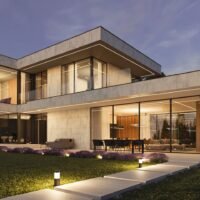
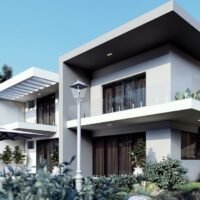
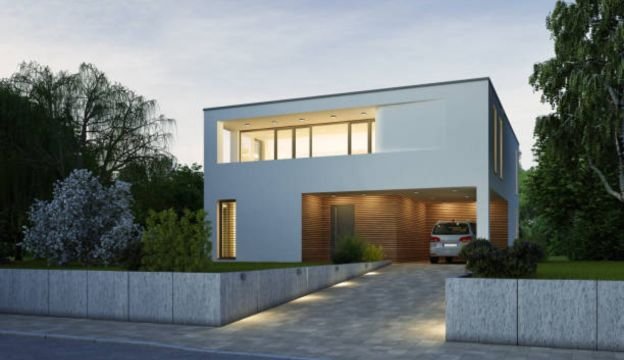
3drenderhub offers a comprehensive range of 3D exterior rendering services to meet your diverse needs. Our team of skilled 3D artists specializes in creating stunning exterior renders that bring your architectural visions to life. Whether you need residential rendering, commercial rendering, townhouse rendering, or dollhouse rendering, we provide top-notch exterior rendering services that ensure your projects stand out.

As an online architectural agency, we cater to both seasoned architects and newcomers. Our expert 3D rendering services include creating detailed 3D models that accurately represent your designs. With our 3D architectural rendering capabilities, you can visualize your projects in a realistic and immersive manner. We are dedicated to assisting you in enhancing your workflow and achieving your architectural goals with our exceptional rendering services.

Advantages of 3drenderhub and Our Services

  • Comprehensive Services: At 3drenderhub, we offer a full range of 3D rendering services, including residential rendering, commercial rendering, townhouse rendering, and dollhouse rendering.
  • High-Quality Visuals: Our exterior 3d rendering services provide stunning and realistic images that bring your architectural projects to life.
  • Expert Team: Our young, dynamic team is dedicated to delivering unique and innovative solutions for every rendering project, ensuring each project is as unique as our clients.
  • Enhanced Workflow: We assist both seasoned architects and newcomers, helping to streamline workflows and improve project outcomes with our 3d architectural exterior services.
  • Realistic Visualization: With our architectural visualization services, you can visualize your designs in a highly detailed and immersive manner, aiding in better decision-making.
  • Specialized in Exteriors: We specialize in exterior architectural and architectural exterior renderings, ensuring your designs are accurately represented and visually appealing.
  • Client-Centered Approach: Our commitment to understanding and fulfilling client needs makes every architectural project a success, tailored specifically to your requirements.

How Can 3drenderhub’s Rendering Services Enhance Your Architectural Projects?

3drenderhub, a renowned 3D exterior rendering company, offers comprehensive solutions that can significantly enhance your architectural projects. Our services are designed to meet the diverse needs of architects, developers, and designers. Here’s how our exterior rendering services can add value to your projects.

Detailed and Realistic Visuals

At 3drenderhub, we specialize in 3D architectural exterior rendering. Our exterior architectural visualization services provide highly detailed and realistic images that accurately represent your architectural designs. These visuals help in presenting your ideas more effectively, allowing clients and stakeholders to fully grasp the concept and scope of your projects. By using advanced technology and skilled 3D artists, we ensure that every aspect of the design is captured with precision.

Improved Communication and Collaboration

Our architectural exterior rendering services facilitate better communication and collaboration among project teams. Detailed 3D exterior visualizations make it easier to convey complex design ideas and modifications. This leads to more productive discussions and faster decision-making processes. As a result, potential misunderstandings and errors are minimized, ensuring a smoother project workflow.

Versatility in Rendering Services

3drenderhub offers a wide range of services beyond typical exterior renderings. Our portfolio includes residential rendering, commercial rendering, townhouse rendering, and dollhouse rendering. This versatility allows us to cater to various types of exterior projects, providing tailored solutions for different architectural needs. Whether it’s a small residential project or a large commercial development, our team is equipped to handle it with expertise.

Enhanced Marketing and Presentation

High-quality 3D exterior renderings are essential for marketing and presentation purposes. Our exterior rendering projects help in creating compelling visuals that can be used in brochures, websites, and other marketing materials. These visuals not only attract potential clients but also enhance the overall presentation of your architectural designs. By showcasing realistic and detailed renderings, you can effectively highlight the unique features and benefits of your projects.

Streamlined Project Development

Using our architectural design services can streamline the entire project development process. With accurate and detailed renderings, you can identify potential design issues early on and make necessary adjustments before construction begins. This proactive approach helps in saving time and resources, ultimately leading to a more efficient project execution.

The Benefits of Using 3drenderhub’s 3D Exterior Rendering Services

3drenderhub offers a comprehensive suite of 3D exterior design rendering services that can significantly improve your architectural projects. From detailed visualizations to streamlined project workflows, our services cater to a wide range of needs, ensuring that your designs are presented in the most effective and impactful way.

Realistic and Detailed Visualizations

Our 3D exterior renderings provide highly realistic and detailed images that bring your architectural designs to life. These renderings enable a clear and precise visualization of the exterior, helping clients and stakeholders fully understand the scope and intricacies of your project. This level of detail is crucial for conveying the true essence of your design and making informed decisions throughout the development process.

Enhanced Communication and Collaboration

Effective communication is key to successful project execution. With 3drenderhub’s 3D exterior visualization services, you can improve collaboration among your team and with clients. Our detailed visualizations facilitate better discussions, allowing for a clearer understanding of design concepts and potential adjustments. This collaborative approach helps in minimizing errors and ensuring that everyone is on the same page, leading to more efficient project outcomes.

Versatility Across Different Project Types

At 3drenderhub, we understand that each project is unique. Our expertise spans a variety of types of 3D exterior projects, including residential rendering, commercial exterior rendering, townhouse rendering, and dollhouse rendering. This versatility allows us to tailor our services to meet the specific needs of each project, whether it’s a small residential development or a large commercial building. By addressing the unique requirements of different projects, we ensure that our renderings are both accurate and impactful.

Streamlined Exterior Rendering Process

Our exterior rendering process is designed to be efficient and thorough. From the initial concept to the final render, we ensure that every step is meticulously planned and executed. This structured approach helps in identifying and addressing potential issues early on, saving time and resources. By streamlining the rendering process, we enable faster project turnaround times without compromising on quality.

Improved Marketing and Presentation

High-quality 3D exterior renderings are essential for effective marketing and presentation. Our renderings can be used in brochures, websites, and other promotional materials to attract potential clients and investors. The realistic depiction of your building’s exterior helps in showcasing the unique features and benefits of your design, making a strong impression on your audience.

Commitment to Innovation and Quality

3drenderhub is dedicated to delivering innovative and high-quality rendering solutions. Our team of skilled professionals is committed to staying at the forefront of technology and design trends, ensuring that our clients receive the best possible service. We pride ourselves on our ability to create renderings that are not only visually stunning but also accurately represent the architectural vision of each project.

Why Choose 3drenderhub for Exterior Renderings?

3drenderhub provides a wide array of 3D exterior visualization services that can significantly elevate your architectural projects. From creating photorealistic renderings to streamlining your workflow, our services are designed to meet diverse needs and ensure your designs are presented in the best possible light.

Detailed and Photorealistic Renderings

Our team at 3drenderhub specializes in producing photorealistic 3D architectural renderings. These high-quality visuals bring your designs to life, offering a detailed and realistic depiction of your projects. By using 3D exterior rendering, you can showcase the unique features of your commercial exterior and other architectural projects, making a strong impression on clients and stakeholders.

Efficient Exterior Rendering Process

We have developed an efficient exterior rendering process that ensures every step, from initial concept to final output, is meticulously planned and executed. This approach helps in identifying potential issues early on, saving time and resources. Our structured process enables us to deliver high-quality renderings quickly and efficiently, meeting the needs of even the most demanding projects.

Versatility in Rendering Services

3drenderhub offers a variety of types of 3D exterior rendering services to cater to different project requirements. Whether you need residential, commercial, townhouse, or dollhouse renderings, our team has the expertise to deliver. Each type of rendering is tailored to meet the specific needs of the project, ensuring accurate and impactful visualizations.

Cost-Effective Solutions

Understanding the cost of an exterior rendering project is crucial for budget planning. At 3drenderhub, we provide cost-effective solutions without compromising on quality. Our transparent pricing ensures that you get the best exterior rendering services at competitive rates. By offering value for money, we help you manage project costs effectively while achieving outstanding results.

Enhanced Marketing and Presentation

High-quality 3D exterior renderings are essential for effective marketing and presentation. Our renderings can be used in brochures, websites, and other promotional materials to attract potential clients and investors. The realistic depiction of your designs helps in showcasing the unique features and benefits of your projects, making a strong impression on your audience.

Commitment to Innovation and Quality

At 3drenderhub, we are dedicated to delivering innovative and high-quality rendering solutions. Our team of skilled professionals stays at the forefront of technology and design trends, ensuring that our clients receive the best possible service. We pride ourselves on our ability to create renderings that are not only visually stunning but also accurately represent the architectural vision of each project.

What Makes 3drenderhub’s 3D Rendering and Architectural Visualization Unique?

3drenderhub stands out in the industry of 3D rendering and architectural visualization due to its commitment to quality, innovation, and client satisfaction. Our high-quality exterior renderings are meticulously crafted to showcase the intricate details and unique features of each architectural project. Whether it’s a residential, commercial, townhouse, or dollhouse rendering, we ensure that every project receives the same level of attention and precision, making us a preferred choice for architects and designers.

One of the key aspects that make 3drenderhub unique is our ability to create photorealistic renderings. These renderings offer a lifelike representation of the project, enabling clients and stakeholders to visualize the final outcome accurately. Our use of advanced technology and techniques in 3D solutions ensures that every detail is captured, from the texture of materials to the play of light and shadow, providing a realistic and immersive experience.

Our 3D exterior design rendering services are tailored to meet the specific needs of each project. By developing a 3D model of the building, we can explore various design options and make necessary adjustments before the actual construction begins. This not only saves time and resources but also allows for better decision-making and more efficient project management. Our dynamic approach to 3D ensures that every rendering is not only visually stunning but also functional and practical.

3drenderhub’s expertise in exterior architectural rendering is evident in our portfolio, which showcases a wide range of architectural styles. From modern and contemporary designs to classical and traditional architectures, we have the skills and experience to render any architectural style with precision. Our renderings are designed to show the exterior of buildings in the most appealing way, highlighting their best features and enhancing their overall aesthetic appeal.

Another factor that sets us apart is our transparent and competitive pricing. Understanding the cost of 3D rendering is crucial for clients, and we ensure that our services are affordable without compromising on quality. Our clear pricing structure allows clients to plan their budgets effectively, making our services accessible to a wide range of projects, from small-scale residential developments to large commercial complexes.

In conclusion, 3drenderhub offers a unique blend of quality, innovation, and client-focused services in the field of 3D rendering and architectural visualization. Our ability to create photorealistic renderings, combined with our expertise in various architectural styles and transparent pricing, makes us a leader in the industry. By choosing 3drenderhub, clients can be assured of receiving the highest quality renderings that truly bring their architectural visions to life.

Conclusion

In conclusion, 3D house rendering services are crucial in modern architectural projects. Exterior rendering is an essential aspect, as it brings designs to life by showcasing the exterior design of architectural projects. Rendering is an essential part of the design process, helping to visualize the final outcome. Contextual elements in exterior renderings enhance the realism and effectiveness, ensuring that the designs are accurately represented and fit seamlessly into their intended environments.

Revolutionizing Construction: The Future of 3D Printed Housing

Building Revolutionized Infrastructure: The Arrival Of 3d Printed Houses

Imagine houses rising from the ground layer by layer, printed by giant robots instead of built by hand. That’s the revolutionary world of 3D printed houses, poised to disrupt traditional construction with mind-blowing speed and precision. Gone are the days of slow brick-and-mortar builds; 3D printing promises to slash construction times by months, even weeks, churning out customized homes with a fraction of the usual labor.

But it’s not just about speed; 3D printing unlocks a universe of advantages, from intricate designs that defy convention to potentially lower costs through material optimization and reduced waste. This isn’t science fiction; this is the dawn of a new era in architecture, where homes can be more affordable, sustainable, and even printed to order like your next pair of shoes. Buckle up, the future of housing is getting a radical makeover, one layer of printed concrete at a time.

Benefits of 3D Printed Houses:


1. Faster and more efficient construction:

Imagine your future home materializing in days, not months. 3D printers churn out walls and structures layer by layer, significantly reducing overall construction time compared to traditional methods. This means quicker moves, faster disaster relief, and potentially lower construction costs due to shorter deadlines.

2. Reduced costs and waste:

Forget mountains of construction debris. 3D printing uses only the exact amount of material needed, minimizing waste and saving on disposal costs. The precise printing process also optimizes material usage, potentially leading to cost savings compared to traditional construction methods.

3. Increased Design Flexibility:

Craving a home that whispers your unique style? 3D printing throws open the door to limitless design possibilities. Imagine curved walls, intricate patterns, and innovative structures, all brought to life with breathtaking precision. Unleash your inner architect and design a home that truly reflects your individuality.

4. Sustainability considerations:

3D printing is making sustainability strides. Think recycled materials being woven into your walls, eco-friendly printing techniques minimizing environmental impact, and designs optimized for energy efficiency. Build a future-proof home that’s kind to the planet, from its construction to its daily operation.

5. Improved disaster resilience:

Forget flimsy walls trembling in the wind. 3D printed structures can be engineered for increased strength and resilience to withstand natural disasters like earthquakes and floods. Imagine a home that not only provides shelter, but also offers peace of mind in the face of unexpected challenges.

Challenges and Considerations for 3D Printed Houses:

1. Technological limitations:

While the promise is grand, current printing technology has limitations. Printing large, complex structures can be tricky, and materials like wood and traditional brick haven’t fully embraced the 3D revolution. Expect ongoing advancements, but be prepared for potential size and material constraints for now.

2. Regulations and approvals:

The legal landscape for 3D printed houses is still evolving. Zoning regulations and building codes might need adaptation, and securing permits for these novel structures could involve additional hurdles. Navigating the regulatory terrain requires patience and collaboration with authorities.

3. Social and economic implications:

While 3D printing promises efficiency, it could also disrupt traditional construction jobs. Consider potential retraining programs and ensuring equitable access to this technology to avoid exacerbating socioeconomic disparities. Remember, progress should serve everyone, not just a select few.

4. Environmental impact:

While sustainability is a focus, the life cycle impact of 3D printed materials and printing processes needs careful analysis. Research eco-friendly printing techniques, prioritize recycled materials, and ensure responsible disposal of any printing waste. Build a future that’s not just technologically advanced, but also environmentally responsible.

Examples and Case Studies:

Across the globe, daring pioneers are pushing the boundaries of 3D printed houses. Currently in Austin, Texas, Icon’s Vulcan II printer conjured a sleek startup home in days, showcasing affordability and rapid construction. Meanwhile, Apis Cor in Russia unveiled a two-story marvel, printed in one piece and boasting impressive fire resistance. For sustainability enthusiasts, WASP in Italy crafted a bioplastic hut in Mexico, demonstrating the potential for eco-friendly materials and easy recycling. These are just a handful of the exciting case studies, proving that using 3D printed houses are no longer futuristic dreams, but tangible realities shaping the future of our built environment.

Remember, this is just a brief overview. You can dig deeper into specific projects, highlighting unique design features, materials used, or challenges overcome. Adding visuals like pictures or videos can further enhance your presentation and showcase the impressive diversity of 3D printed houses emerging worldwide.

The Future of 3D Printed Homes

The future of 3D printed homes shimmers with possibility. Imagine towering skyscrapers sculpted on-site, disaster-resilient communities printed in days, and personalized houses reflecting unique styles, all rising layer by layer from the ground. Technology will continue to evolve, pushing boundaries with more robust materials, larger printing areas, and even multi-color capabilities. Design freedom will explode, with intricate curves, biomimicry, and gravity-defying structures becoming commonplace. Sustainability will be woven into the fabric of these homes, utilizing recycled materials, optimizing energy efficiency, and minimizing environmental impact.
Beyond individual dwellings, imagine 3D-printing communities: eco-villages integrated with their landscapes, disaster-relief shelters constructed in hours, and even off-world habitats on Mars or beyond. This technology holds the potential to democratize housing, making it more affordable, accessible, and personalized than ever before.

Presenting 3D Architectural Illustration for Better Design visualization

8 Transformative Benefits of 3D Architectural Illustration in Modern Design

The entire architectural landscape is undergoing a seismic shift, driven by a revolutionary force: 3D architectural illustration. No longer relegated to futuristic movies, this powerful tool is empowering architects to transcend the limitations of 2D drawings and unlock a universe of transformative benefits. From immersive client engagement to hyper-realistic precision, 3D illustration is reshaping the design process, paving the way for more efficient, sustainable, and captivating creations.

Buckle up, design enthusiasts, because we’re about to explore the eight game-changing advantages that will send your architectural vision soaring into a new dimension. Get ready to ditch the flat sketches and muddy mockups – the future of design is here, and it’s brimming with vibrant possibilities, thanks to the magic of 3D.

So, whether you’re a seasoned architect seeking to elevate your workflow or a curious newcomer eager to understand the buzz, grab your virtual goggles and immerse yourselves in the world of 3D architectural illustration. Prepare to be amazed by its ability to bridge the gap between imagination and reality, fostering collaboration, optimizing results, and ultimately, shaping the breathtaking buildings of tomorrow.

8 Key Benefits:

Forget flat sketches and muddy mockups. 3D architectural illustration is revolutionizing the design process, offering incredible advantages for both architects and clients. Here are the eight game-changing benefits that will elevate your design journey:

1. Immersive Visualization and Communication:

Dive into your design industry! 3D models and virtual tours create a clear, interactive understanding for everyone involved. Clients can explore spaces at their own pace, while animations and fly-throughs showcase functionality and spatial flow with stunning clarity. Forget misinterpretations and misunderstandings – 3D takes everyone on the same breathtaking journey.

2. Precision in Design:

No more guesswork! 3D models offer pinpoint accuracy, allowing for precise measurements, scale studies, and clash detection. Errors are easily identified and rectified before construction begins, saving time, money, and headaches. Think of it as building your model virtually first, which further leads to blueprint effectively provide every detail in it’s finished project before laying the first brick, showcasing architectural design and cost effectiveness.

3. Design Flexibility and Modifications:

Gone are the days of endless revisions. 3D models are infinitely malleable, allowing you to test and modify design options, materials, and layouts with ease. Explore different scenarios, compare configurations, and find the perfect solution without starting from scratch. It’s like playing with design Legos, but with realistic elements!

4. Photorealistic Representation:

See your vision come to life! High quality images present better portrayals of your design, complete with textures, lighting, and even the play of sunlight. Materials and finishes can be chosen with confidence, ensuring your final building matches the dream you visualized. It’s like holding a crystal ball of your completed project, giving you peace of mind and wowing your clients.

5. Project Planning and Execution Powerhouse:

3D models bridge the gap between design and construction, creating a seamless workflow. Enhanced communication and collaboration among teams lead to fewer errors and delays. Virtual construction simulations optimize logistics, while prefabrication planning based on the 3D model streamlines on-site assembly. Think of it as building a virtual roadmap before hitting the ground, ensuring a smoother journey for everyone involved.

6. Sustainable Design Champion:

Embrace eco-conscious design without the guesswork. 3D simulations analyze energy efficiency, daylighting, and material impact, allowing you to optimize your design for sustainability. Integrate environmental analysis tools with your 3D model to find the perfect balance between beauty and eco-friendliness. It’s like having a green genie whispering sustainable solutions in your ear!

7. Client Engagement and Marketing Magnet:

Impress your clients and win over investors with high-quality visuals. Stunning 3D renderings and VR experiences showcase your design in all its glory, capturing attention and boosting confidence. Think of it as turning your presentation into an interactive wonderland, leaving a lasting impression that turns leads into loyal partners.

8. Space Planning and Optimization Whiz:

3D models become your playground for optimizing space allocation, furniture placement, and traffic flow. Virtual reality walk-throughs allow clients and designers to experience the space firsthand, identifying potential bottlenecks and maximizing comfort. It’s like shrinking down and walking through your own design, ensuring every inch is utilized to its full potential.

These eight transformative benefits demonstrate the power of 3D architectural illustration in modern design. It’s not just about flashy pictures; it’s about empowering architects, engaging clients, and building a greener future, one beautiful design at a time.

Conclusion:

The once futuristic world of 3D architectural illustration has arrived, reshaping the design landscape and empowering architects with incredible new possibilities. Step beyond flat sketches and embrace immersive visualization: take clients on virtual tours, showcase intricate details with photorealistic renderings, and eliminate errors with pinpoint accuracy in your models.

But the magic of 3D goes far beyond visuals. It’s a design powerhouse, optimizing workflows with seamless project planning, prefabrication simulations, and eco-conscious analysis. Engage clients with stunning VR experiences, refine space allocation with virtual walk-throughs, and unleash your design flexibility with endless modifications. From inception to execution, 3D illustration is your partner, ensuring every detail is perfect before the first brick is laid. So, dive into this new dimension of design – the future of architecture is 3D, and it’s breathtakingly beautiful.

Exploring the Impact of Parametric Design in Architecture: Examples and Insights

Blending Art and Science: Using Parametric Design in Architecture

The architectural landscape is experiencing a revolution, led by a powerful force: parametric design. Forget the limitations of static sketches and embrace a dynamic world where algorithms shape buildings that breathe and adapt. Imagine facades morphing based on sunlight, structures optimized for strength and efficiency, and entire spaces evolving with the click of a button.

This isn’t science fiction; it’s the present, where architects are harnessing the power of computation to push the boundaries of design and create breathtaking, responsive structures. parametric design in modern architecture isn’t just about fancy forms; it’s about a new way of thinking, a paradigm shift where data, algorithms, and human ingenuity join forces to shape the future of architecture. So, dive in and explore this exciting realm.

Prepare to be amazed by the possibilities, from optimizing structures for sustainability to unleashing your creativity with endless design variations. The future of architecture is dynamic, data-driven, and it’s here right now, waiting to be shaped by your vision.

Unlocking the Secrets: Parametric Design’s Key Feature

1. Algorithmic Workflow:

The heart of parametric design process lies in algorithms, the intelligent rules that govern design decisions. Parameters, acting as numerical inputs or constraints, guide these algorithms, weaving a symphony of interconnected relationships between design elements. Imagine a facade pattern that blossoms with complexity from a few simple rules, or a structural system that adapts seamlessly to varying loads—this is the power of algorithmic thinking in action.

2. Dynamic Optimization:

parametric building models are not static blueprints but living, breathing entities that respond to change with grace. Adjust a parameter, and the entire design ripples with updates, revealing new possibilities in real-time. This dynamic nature empowers architects to experiment, optimize, and refine their designs effortlessly, fostering an iterative exploration of endless possibilities.

3. Data-Driven Design:

Parametric design transcends aesthetics and embraces a world where data informs and shapes architectural decisions. Imagine integrating environmental data to sculpt a building that harmonizes with sunlight and wind patterns, or structural analysis to optimize material usage and strength. The fusion of data and design creates intelligent structures that respond to their context and perform at their peak.

Deep Dive into the Benefits of Parametric Design in Architecture

Parametric design isn’t just a fancy buzzword; it’s a game-changer, revolutionizing the architectural landscape with a cascade of benefits that empower both efficiency and creativity. Let’s unlock the treasure chest of its advantages:

1. Enhanced Design Efficiency:

    • Goodbye, repetitive tasks: Say farewell to manually adjusting countless elements every time a parameter changes. Parametric automation takes the reins, handling repetitive tasks like generating design documentation or adjusting components based on rules. Imagine slicing project hours in half and focusing your energy on the truly creative aspects.
    • Hello, lightning-fast exploration: Gone are the days of waiting for static models to render. Parametric models adapt and iterate instantly, allowing you to test countless design variations with a click. Explore diverse options, find the perfect solution faster, and impress clients with your agility.
    • Streamlined collaboration, maximized synergy: Parametric models act as dynamic hubs for interdisciplinary collaboration. Architects, engineers, and other stakeholders can access and modify the shared model in real-time, ensuring everyone is on the same page and decisions are informed by collective feedback.

2. Improved Performance and Optimization:

    • Strength in every curve: Forget guesswork, embrace optimization! Algorithms analyze and adapt structures based on specific parameters, like load-bearing capacity or seismic forces. Imagine buildings that are not just beautiful, but incredibly resilient, utilizing materials and forms with pinpoint efficiency.
    • Energy efficiency whispers in your ear: Parametric tools integrate data like sunlight patterns and climate information, allowing you to design structures that breathe with the seasons. Optimize building envelopes for minimal energy consumption, crafting spaces that are comfortable, cost-effective, and kind to the planet.
    • Human comfort becomes an equation: From airflow patterns to noise minimization, parametric design can analyze various factors that affect human experience within a space. Imagine designing buildings that not only look stunning but also prioritize occupant well-being, creating environments that nurture productivity and happiness.

3. Greater Design Precision and Control:

    • Pixel-perfect precision at your fingertips: Craving intricate details or complex geometries that would baffle traditional methods? Parametric design throws open the door to a world of unlimited possibilities. Craft curves that dance with light, generate intricate patterns that defy conventional limitations, and master every minute detail with the precision of a laser.
    • Unleash the master of variations: Want to explore different facade options, test roof angles, or compare material choices instantly? Parametric design makes it a reality. Generate countless variations of your design with a single tweak, compare them side-by-side, and make informed decisions based on visual and performance evaluations.
    • No more surprises, just flawless execution: Say goodbye to last-minute surprises and costly rework. The iterative nature of parametric design allows you to identify and address potential issues within the virtual model, ensuring your final creation is not just beautiful, but flawlessly executed.

Parametrically Sustainable landmarks: Examples Of Parametric Buildings From Around The World

From Beijing’s Bird’s Nest to Dubai’s swirling Burj Khalifa, parametric design leaves breathtaking fingerprints on iconic structures around the globe. Imagine the Beijing National Stadium’s intricate latticework, each steel triangle precisely positioned by algorithms, whispering aerodynamic efficiency at the 2008 Olympics. Or picture the Burj Khalifa’s spiraling form, its facade optimized for sun exposure and wind resistance, a testament to the synergy of beauty and performance. These are just two jewels in the crown of parametric architecture, showcasing its ability to create awe-inspiring forms while solving complex design challenges.

But the magic isn’t limited to mega-structures. Residential buildings can utilize parametric techniques to optimize daylighting and natural ventilation, while museums like the Louvre Abu Dhabi employ algorithmic patterns to create breathtaking and intricate facades. Every scale, from intimate to monumental, feels the transformative touch of parametric design.

Challenges and Considerations:

While parametric design paints a dazzling future for architecture, it’s not without its hurdles. Let’s navigate the exciting landscape, acknowledging both the challenges and the crucial considerations for responsible implementation:

The Learning Curve:

Mastering parametric tools isn’t a cakewalk. These complex software programs require dedication and continued learning, potentially forming a barrier for smaller firms or architects new to the technology. Upskilling through training programs and collaborative partnerships can pave the way, ensuring everyone has access to this transformative tool.

Cost Considerations:

Initial software acquisition and training costs can be significant, particularly for smaller practices. However, consider the long-term benefits: increased efficiency, optimized designs, and reduced rework can potentially translate into cost savings and increased project profitability. Exploring open-source software options and collaborative partnerships can also make parametric design more accessible.

The Algorithmic Allure:

It’s easy to get caught up in the algorithmic magic, letting algorithms dictate every design decision. Remember, the human touch remains at the heart of good architecture. Use algorithms as powerful tools to explore possibilities, optimize structures, and inform your creative vision, but never allow them to replace the irreplaceable value of human judgment and artistic intuition.

Ethical Implications:

With great power comes great responsibility. Consider the environmental impact of material choices and construction methods that parametric design might optimize. Prioritize sustainability, utilize locally sourced materials, and design structures that blend seamlessly with their surroundings. Remember, technology should serve humanity and the planet, not the other way around.

Collaboration is Key:

Parametric design thrives on collaboration. Break down silos between disciplines, encourage architects, engineers, and other stakeholders to engage with the model, and embrace diverse perspectives. By fostering open communication and shared understanding, you can harness the collective power of expertise to create truly remarkable designs.

These challenges and considerations remind us that parametric design is not a magic bullet, but a powerful tool that requires responsible and thoughtful implementation. By acknowledging its limitations, continuously learning, and prioritizing human-centric design, we can unlock the full potential of this technology to shape a sustainable, inspiring, and truly human-centered future for architecture.

Conclusion:

Forget static sketches and monotonous drafting; parametric design is revolutionizing architecture with its powerful toolset. Imagine buildings that adapt to sunlight, structures optimized for performance, and intricate forms crafted with pixel-perfect precision. This isn’t a future dream; it’s here now, empowering architects with:

    • Lightning-fast efficiency: Automation and iterative models slash design time, let you explore countless variations, and foster seamless collaboration.
    • Performance optimization: Algorithms sculpt buildings for strength, energy efficiency, and human comfort, crafting not just beautiful, but truly sustainable creations.
    • Unleashing creativity: Precise control and endless variations open doors to intricate forms, unexpected solutions, and a universe of design possibilities.

While challenges like software learning curves and ethical considerations exist, remember: the human touch remains paramount. Use algorithms as allies, embrace collaboration, and prioritize sustainability. By combining technology with our creativity and respect for the planet, we can shape a future where architecture speaks with a voice of both beauty and brilliance.

So, dive into the world of parametric design. Embrace its power, navigate its challenges, and unleash the visionary architect within. The future of architecture is calling, and it’s waiting for you to answer, one innovative design at a time.

AI in Architecture: Incorporating AI Tools for Architects And Designers

Top AI Tools For Architects: A Comprehensive Guide To Attain Sustainable Design And Architecture

The field of architecture is undergoing a transformative revolution, thanks to the burgeoning power of Artificial Intelligence (AI). As sustainability rises to the forefront of building design, architects are increasingly adopting AI tools to optimize their workflow, enhance creativity, and achieve groundbreaking sustainable outcomes. Let’s delve into the world of these cutting-edge tools and explore how they can empower architects to build a greener future:

1. Midjourney: Imagine conjuring up stunning architectural concepts with just a few keywords. Midjourney crafts captivating, dreamlike visuals, pushing the boundaries of architectural imagination.

2. Adobe Firefly: Sustainability isn’t just about aesthetics; it’s about optimizing performance. Adobe Firefly integrates seamlessly with popular design software like Revit and Rhino, empowering architects to analyze their designs for energy efficiency, material usage, and environmental impact.
3. Sidewalk Labs: Beyond individual buildings, architects are increasingly considering the broader impact of their work on the urban fabric. Sidewalk Labs taps into the power of AI to transform urban planning. Imagine analyzing the complex dynamics of a city in real-time, understanding traffic patterns, pedestrian flow, and the impact of public services.

4. Autodesk Forma: Autodesk Forma isn’t just an AI tool; it’s a comprehensive sustainability design ecosystem. Imagine feeding Forma your initial design concept and watching the AI generate dozens of optimized iterations, each tailored to specific sustainability goals.

5. ArkDesign.ai: ArkDesign.ai takes this concept to heart. Imagine feeding the AI specific parameters like site conditions, zoning regulations, and even the surrounding architectural style.

6. AI Studio by Spacemaker: Enter AI Studio by Spacemaker, a powerful AI platform that allows you to analyze the impact of your urban design proposals on various environmental and social factors.

7. Vizcom.ai: Real-time, interactive rendering and AI-driven optimization. See your design come to life instantly with dynamic lighting, environment changes, and real-time feedback from the AI.

8. DALL-E 2: Photorealistic, dreamlike, and artistic rendering abilities. Generate incredibly realistic visualizations of your designs, even in different artistic styles.

Best AI Tools For Architectural Rendering in 2024

In the ever-evolving landscape of architectural visualization, 2024 sees two AI rendering tools rising head and shoulders above the rest: Midjourney and Adobe Firefly. While they approach the realm of visualization from vastly different angles, both offer architects unparalleled power to bring their designs to life.

Midjourney: Unleashing Creative Dreams

Imagine conjuring up breathtaking architectural visions – soaring sky cities bathed in neon, biomimetic structures mimicking nature’s intricate patterns, or futuristic eco-havens nestled amidst verdant landscapes. This is the realm of Midjourney, a powerful AI image generation tool that transcends the limitations of physical constraints.

Fueled by evocative text prompts, Midjourney crafts a visual feast for your imagination. Explore diverse design iterations, discover unexpected forms, and break free from conventional boundaries. Dive into a community-driven treasure trove of user-generated images, gleaning inspiration from countless creative approaches and styles. While hyper-realistic precision might require additional tweaking, Midjourney’s strength lies in its boundless creative power, igniting your design journey and pushing the frontiers of architectural expression.

Pros:

    • Unbridled Creativity: Go beyond the bounds of physical constraints and explore dreamlike, artistic renditions of your designs. Generate photorealistic visuals with surreal elements, pushing the boundaries of architectural expression.
    • Diverse Exploration: Experiment with countless design iterations quickly and effortlessly. Discover unexpected forms and possibilities through text-based prompts, sparking creative inspiration and fueling your design journey.
    • Community-driven Inspiration: Draw inspiration from a vast library of user-generated images, unlocking a treasure trove of creative approaches and styles to enrich your own vision.

Cons:

    • Precision Control Lacking: Achieving pinpoint accuracy in details can be challenging with text-based prompts. Fine-tuning specific elements might require additional software or manual editing.
    • Technical Learning Curve: Mastering the art of formulating effective prompts may take some practice. Navigating the AI’s interpretation of your text can be an iterative process.
    • Photorealism Caveats: While incredibly detailed, Midjourney’s renderings may not always match the hyper-realistic precision sought for photorealistic presentations.

Adobe Firefly: Illuminating Reality

Forget the blurry lines between concept and reality. Adobe Firefly, an AI wizard embedded within your favorite design software, paints stunning photorealistic portraits of your architectural dreams – not just pretty pictures, but meticulously optimized blueprints for a sustainable future.

With Firefly, sustainability isn’t an afterthought – it’s woven into the very fabric of your creation. Every tweak, every decision is informed by data, empowering you to build not just beautiful structures, but beacons of responsible innovation. So, embrace the light of Firefly, and pave the way for a future where architecture and sustainability dance hand-in-hand, leaving a footprint as light as the dreams that inspire them.

Pros:

    • Hyper-realism at your fingertips: Generate stunningly photorealistic renderings that blur the line between digital and physical, showcasing your designs with unparalleled accuracy and detail.
    • Seamless Integration: Works seamlessly with popular architectural software like Revit and Rhino, streamlining your workflow and eliminating the need for data export/import.
    • Performance Optimization: Analyze energy efficiency, daylighting, and material impacts directly within your renderings, making informed decisions and optimizing performance from the visualization stage.

Cons:

    • Limited Artistic Range: Primarily focused on photorealistic representations, it may not cater to those seeking abstract or dreamlike visualizations.
    • Subscription-based Model: Access comes at a cost, potentially limiting its appeal for smaller firms or individual freelance architects.
    • Technical Requirements: May require powerful hardware to run smoothly, especially for complex design models and high-resolution rendering.

Choosing the Right Tool: A Matter of Vision and Need

Ultimately, the choice between Midjourney and Adobe Firefly hinges on your specific vision and needs. If you’re yearning to break free from conventional design boundaries and explore imaginative possibilities, Midjourney’s creative prowess will ignite your inner artist. For those seeking hyper-realistic presentations and data-driven performance insights, Adobe Firefly will guide you towards building not just beautiful, but optimized and sustainable designs.

No matter your choice, both Midjourney and Adobe Firefly represent the cutting edge of AI-powered architectural rendering. Step into this exciting future and witness the magic of your design dreams coming to life with the power of artificial intelligence.

Top AI Tools For Sustainable Design

In the fervent pursuit of a sustainable future, architects now find themselves wielding powerful AI tools to guide their designs towards environmental responsibility and ecological harmony. Two such titans stand out in this evolving landscape: Autodesk Forma and Spacemaker, each offering a unique approach to achieving sustainable design excellence.

Autodesk Forma: A Holistic Symphony of Sustainability

Imagine feeding Forma your initial design concept and witnessing it bloom into a vibrant ecosystem of optimized possibilities. This comprehensive AI platform analyzes everything from energy consumption to daylighting, material choices, and even occupant well-being, presenting you with a symphony of sustainable design options. Whether you’re aiming for LEED certification, net-zero energy buildings, or simply crafting healthier spaces for people, Forma empowers you to make informed decisions and build a sustainable future, one design at a time.

Pros:

    • Holistic analysis: Comprehensive assessment of environmental impact, energy efficiency, and occupant well-being.
    • Generative design: Creates optimized design iterations tailored to specific sustainability goals.
    • Seamless integration: Works seamlessly with popular architectural software workflows.

Cons:

    • Subscription-based: May not be accessible to smaller firms or individual architects.
    • Learning curve: Mastering some functionalities may require initial training.
    • Focus on buildings: Primarily optimizes individual buildings, lacking broader urban planning capabilities.

Spacemaker: Weaving Cities with Threads of Sustainability

Buildings are just one piece of the sustainability puzzle. Spacemaker takes its vision further, crafting AI-powered tools to weave entire cities with threads of environmental and social responsibility. Imagine analyzing real-time data on traffic flow, pedestrian movement, and air quality, then simulating the impact of your urban design proposals on these dynamic factors. Spacemaker guides you towards creating walkable cities, reducing congestion, and fostering vibrant community spaces, all while minimizing environmental impact.

Pros:

    • Urban-focused: Optimizes entire cities for sustainability and livability.
    • Data-driven insights: Analyzes real-time data to inform design decisions.
    • Public engagement: Integrates community feedback into the planning process.

Cons:

    • Complexity: Managing larger city models may require advanced technical expertise.
    • Limited building-level detail: Primarily focuses on urban planning, with less emphasis on individual building design.
    • Data availability: Some functionalities may require access to extensive urban data sets.

The Sustainable Choice: A Matter of Scale and Vision

Ultimately, the choice between Forma and Spacemaker hinges on the scale and vision of your project. Forma shines for architects focused on optimizing individual buildings for holistic sustainability, while Spacemaker empowers urban planners to design entire cities for livability and resilience. Whichever tool you choose, remember, in the hands of architects committed to a sustainable future, these AI partners become powerful instruments for shaping a world where beauty and responsibility blend seamlessly into a vibrant vision of tomorrow.

AI-Powered Tools For Urban Planning

In the realm of urban planning, the future is paved with AI, and two tools stand out as beacons of innovation: Sidewalk Labs and ArkDesign.ai. While they tackle urban challenges from different angles, both hold immense potential to shape livable, resilient cities for generations to come.

Sidewalk Labs: Orchestrating the Urban Symphony

Imagine a city as a pulsing organism, its traffic flow, pedestrian movements, and public services dancing in intricate harmony. This is the vision of Sidewalk Labs, an AI platform that analyzes the complex dynamics of cities in real-time. Traffic patterns, air quality, and even crime hotspots are dissected and mapped, revealing hidden patterns and predicting future trends.

Pros:

    • Holistic Planning: Analyzes diverse urban factors, enabling comprehensive and interconnected solutions.
    • Predictive Insights: Anticipates challenges and opportunities, allowing for proactive planning and resource allocation.
    • Data-driven Decision Making: Provides evidence-based recommendations to optimize traffic flow, public safety, and infrastructure management.

Cons:

    • Privacy Concerns: Collecting and analyzing real-time data necessitates careful consideration of privacy implications.

    • Technology Barrier: Implementing AI solutions may require significant infrastructural and technological upgrades.
    • Scalability Challenges: Adapting the platform to diverse city sizes and contexts may require customization.

ArkDesign.ai: Whispering with the Neighborhood

Every city tells a story through its architecture, and ArkDesign.ai listens intently. This AI tool delves into the unique context of a site, understanding zoning regulations, surrounding architectural styles, and even environmental conditions. It then whispers design proposals that seamlessly blend with the existing urban fabric, respecting history while embracing progress.

Pros:

    • Context-aware Design: Generates designs that complement and enhance the local character of the city.
    • Sustainable Solutions: Promotes environmentally responsible development by factoring in green spaces and energy efficiency.
    • Faster Project Approval: Streamlines the approval process by ensuring compliance with regulations and neighborhood aesthetics.

Cons:

    • Limited Design Scope: Primarily focuses on architectural design, not encompassing broader urban planning aspects like transportation and infrastructure.
    • Adaptation to Modern Trends: Integrating cutting-edge architectural styles and technologies might require additional user input.
    • Potential Lack of Uniqueness: Designs may prioritize context over bold, groundbreaking architectural statements.

Sidewalk Labs and ArkDesign.ai represent just a glimpse into the vast potential of AI-powered urban planning. By embracing these tools and thoughtfully addressing their drawbacks, we can shape cities that are not only functional and efficient, but also vibrant, sustainable, and deeply human. The future of our urban landscapes is in our hands, and AI can be the brush with which we paint a brighter tomorrow.

AI Tools For Schematic Design

Schematic design is the foundation of any architectural masterpiece. It’s where ideas take shape, proportions are explored, and the essence of your vision blossoms. Now, AI tools like Vizcom.ai and DALL-E 2 are injecting revolutionary possibilities into this crucial stage, empowering architects to push creative boundaries and refine their concepts with unprecedented speed and ease.

Vizcom.ai: Your Interactive Design Partner

Imagine stepping into your design as it evolves. Vizcom.ai’s real-time, interactive rendering makes this a reality. Walk through your virtual spaces, adjust lighting and materials on the fly, and collaborate with colleagues in a shared virtual environment. Vizcom.ai’s AI algorithms anticipate your needs, offering suggestions and optimizing your design as you work.

Pros:

    • Real-time, interactive rendering for immersive design exploration
    • AI-powered suggestions and optimization for efficient decision-making
    • Seamless collaboration in a shared virtual environment

Cons:

    • Requires VR headset for full immersion
    • May not be suitable for highly detailed or complex designs
    • Subscription-based model

DALL-E 2: Master of Dreams and Possibilities

DALL-E 2 is your portal to a universe of limitless design possibilities. Feed it keywords and sketches, and watch as it conjures up a multitude of stunning, photorealistic visualizations. Explore diverse concepts, discover unexpected forms, and break free from conventional limitations. DALL-E 2’s artistic prowess unlocks hidden potential within your vision, sparking creativity and fueling your design journey.

Pros:

    • Generates diverse and photorealistic visualizations from text prompts
    • Unlocks creative possibilities and fuels design exploration
    • Accessible platform with no hardware requirements

Cons:

    • Limited control over specific details and elements
    • Artistic interpretation might not always match precise vision
    • Limited access due to high demand and waitlist

So, whether you’re seeking interactive refinement or a universe of creative sparks, both Vizcom.ai and DALL-E 2 offer powerful tools to revolutionize your schematic design process. Let AI be your guide as you translate your vision into stunning concepts, laying the groundwork for architectural creations that inspire and captivate.

Maximizing Corporate Designs with 3D Rendering in Business Center Projects

Business Center Rendering: 10 Key Benefits for Corporate Facilities

Gone are the days of relying on blurry blueprints and hand-drawn sketches to envision your future business center project. In today’s dynamic corporate landscape, realistic and immersive 3D renderings have become an essential tool for designing and showcasing functional, inspiring, and brand-aligned workspaces. But the benefits of business center rendering go far beyond mere aesthetics. Let’s delve into 10 key ways this technology can revolutionize your corporate facilities.

1. Enhanced Visualization and Communication:

Step into your dream workspace before it even exists! Renderings create photorealistic visuals, allowing stakeholders from executives to employees to truly understand the design intent. Imagine touring virtual 3D models, navigating open floor plans, and experiencing the flow of light and space – all before a single brick is laid. This clear communication fosters buy-in, reduces rework, and ensures everyone is on the same page from the get-go.

2. Improved Decision-Making:

With renderings, experimentation becomes virtually risk-free. Test different innovative layouts, furniture configurations, and material choices before committing to real-world changes. Identify potential bottlenecks, optimize traffic flow, and ensure efficient use of space. This possibly reduce the range of decision-making translates to cost savings, construction delays, and provides architectural space that truly meets your needs.

3. Effective Marketing and Leasing:

First impressions matter, and in the competitive world of corporate real estate, your office needs to stand out. High-quality renderings act as powerful marketing tools, showcasing your space in its most polished light. Create the best brochures, captivating virtual tours, and even interactive experiences that let potential tenants envision themselves thriving in your center. This technique attracts the right clients and accelerates leasing success.

4. Business Center Space Planning and Optimization:

Every square foot counts! Renderings empower you to optimize space utilization like never before. Visualize possible furniture placement, assess traffic flow, and experiment with different configurations to maximize efficiency and functionality. No more wasted corners or underutilized areas – your professional workspace will be designed for optimal productivity and collaboration.

5. Enhanced Collaboration and Stakeholder Engagement:

Renderings break down communication barriers and foster collaboration among architects, designers, and stakeholders. Share 3D projects, conduct virtual walkthroughs, and gather real-time feedback on design choices. This advance style ensures everyone is involved in the process, leading to a more satisfying and successful outcome.

6. Reduced Construction Risks and Errors:

Catching problems early is key to avoiding costly rework and delays. Renderings allow us the precise identification of potential clashes between building systems, electrical conflicts, and structural issues before construction begins. This proactive approach minimizes errors, ensures smoother building construction processes, and saves you time and money in the long run.

7. Increased Sustainability and Energy Efficiency:

Building green starts with informed design. Renderings allow you to test different sustainable strategies, like solar panel placement, natural ventilation, and daylighting optimization without any effort. Analyze energy performance, make data-driven decisions, and create a business center that’s not only beautiful but also environmentally responsible.

8. Improved Building Branding and Corporate Identity:

Your business center project is an extension of your brand. Renderings help you translate your brand identity into the built environment. Choose materials, textures, and colors that reflect your company’s values and create a space that resonates with your employees and clients. This cohesive design strengthens your brand image and fosters a sense of belonging.

9. Enhanced Occupant Experience and Well-being:

Happy employees are productive employees. Renderings allow you to design spaces that prioritize employee well-being. Incorporate biophilic design principles, introduce natural elements like plants and sunlight, and create inviting common areas that encourage interaction and collaboration. This focus on employee experience fosters a positive and healthy work environment.

10. Future-proofing your Investment:

Leverage the adaptability of business center renderings. Design with flexibility in mind, incorporating modularity and adaptability. This allows you to seamlessly adjust the layout in response to future needs and trends, maximizing long-term usability and protecting your investment. Imagine easily shifting departments, adding collaborative spaces, or even repurposing areas – all without costly renovations. By embracing forward-thinking design through renderings, you guarantee your business center remains relevant and thrives in the ever-evolving corporate landscape.

Conclusion:

Business project rendering isn’t just a visualization tool; it’s a practical investment in your corporate future. From enhanced communication to optimized space and numerous other factors. It streamlines processes, empowers decisions, and elevates your brand. Step into a world of endless possibilities, where design transcends imagination and becomes reality. Embrace the power of renderings and build a center that not only inspires and motivates, but adapts and thrives for years to come.

3D Exterior Rendering for a Car Dealership: Inspiring Examples and Benefits

3D Car Dealership Rendering: 10 Benefits for Automotive Design & Sales Spaces

Forget bland brochures and pixelated photos. Buckle up for 3D rendering, the game-changer redefining car dealerships! Imagine sun-drenched virtual showrooms, showcasing dream cars against any backdrop, city skylines or coastal drives. Not just eye candy, this hyper-real tech fuels both design and sales. Dive in and discover why 3D rendering is leaving the competition in the dust!

This brief and punchy intro hooks readers with a vivid image and sets the stage for exploring the exciting benefits of 3D rendering in the automotive world. It’s perfect for grabbing attention and encouraging users to delve deeper into the topic.

Enhanced Visualisation: A Photorealistic Fast Forward into the Future

Ditch the grainy brochures and blurry online photos – 3D rendering rewinds the car-buying journey to a time of wide-eyed wonder. Imagine sleek sports cars leaping off the screen, every curve and chrome glint meticulously captured in hyper-realistic detail. With interactive 3D technology, you can virtually experience your dream car before ever touching the steering wheel.

But the magic doesn’t stop there. 3D rendering lets you shape your dream dealership too. Whether it’s a minimalist haven bathed in natural light or a modern industrial masterpiece, 3D tools bring your vision to life with stunning accuracy.

This level of detail goes beyond aesthetics. Explore paint colors, customize wheels, and even tweak interior finishes – all from the comfort of your home. This interactive element not only enhances customer experience but also streamlines the sales process, empowering buyers to make informed decisions with confidence.

3D rendering isn’t just a pretty picture; it’s a revolutionary tool that transforms how we envision, market, and sell automobiles. By providing a photorealistic glimpse into the future, it injects excitement and clarity into the car-buying journey, leaving both dealers and customers with a smile wider than the grill of their dream car.

Customization and Personalization: Revving Up Your Brand Identity

Forget the cookie-cutter showroom and buckle up for a ride into personalized design bliss with 3D rendering. This innovative technology is no mere eye-candy; it’s your secret weapon for crafting a dealership that reflects your brand like a finely-tuned engine.

Tailor-Made Ambiance:

Imagine sleek, minimalist lines for your luxury brand or a rustic charm that whispers heritage. 3D rendering lets you experiment with architectural styles, lighting schemes, and furniture arrangements to find the perfect harmony. No need for costly physical mockups – refine your vision within the digital realm, ensuring every detail aligns with your unique ethos.

Environmental Storytelling:

But wait, there’s more! 3D rendering unlocks the power of personalized environments. Take the adventurous soul on a rugged mountain trail in their dream SUV or let the urban sophisticate cruise a vibrant cityscape in their sleek coupe. These customized settings, crafted with the latest rendering technologies, add an emotional layer to the car-buying journey, transforming casual browsers into engaged buyers.

Visualize, Captivate, Convert:

With 3D simulation, you’re in the driver’s seat, customizing every detail from lightning conditions to architectural visualization. This level of control empowers you to tell your brand story and create a cohesive experience that resonates with your target audience. Ditch the one-size-fits-all showroom and watch your dealership transform into a captivating extension of your brand, as unique and irresistible as the automobiles you sell.

Cost-Effective Solution: Shift Gears Without Burning Rubber

3D rendering doesn’t just turn heads, it turns the tide on budgets. Forget the hefty price tag of crafting physical prototypes and endless showroom renovations. With a few clicks, you can conjure up countless automobile configurations and virtual environments, slashing development costs and leaving your wallet in the dust.

But the savings go beyond initial investments. The agility of 3D rendering streamlines both design and marketing processes. Need to tweak a taillight? No problem. A quick adjustment in the software is all it takes. Swapping out showroom backdrops to match a seasonal campaign? Done in a flash. This translates to saved time, reduced resource drain, and ultimately, a smoother journey from concept to customer.

So, if you’re looking to fuel your dealership’s success without emptying the tank, consider switching gears with 3D rendering. It’s the cost-effective solution that keeps your engine purring and your bottom line healthy.

Increased Sales and Conversions: Putting the Pedal to the Metal

Imagine scrolling through automobile listings and instead of grainy photos, you’re virtually opening doors, cruising down a coastal highway, and customizing the interior down to the stitching. That’s the power of 3D rendering, transforming how we experience and buy cars.

Studies show high-quality 3D visualizations significantly influence purchasing decisions. MIT research found 3D-presented products 40% more likely to be purchased. Why? Because 3D goes beyond static images. It lets customers emotionally connect with the automobile, virtually test drive it, and envision themselves at the wheel. This immersion builds trust and excitement, paving the way for that coveted “purchase” button.

For car dealerships, 3D rendering is a commercial goldmine. Compelling 3D visuals in online marketing and advertising attract a wider audience, pique interest before even stepping foot on the showroom floor. Interactive 360° tours, captivating animations highlighting features, and personalized configurations shared on social media – these are just a few ways to grab attention and generate buzz.

3D doesn’t just showcase vehicles; it guides the buying journey. Highly accurate renderings with diverse lighting conditions let customers see every detail, building trust and confidence. 3D also includes personalized experiences, allowing them to virtually “own” the car before purchase.

In today’s digital age, 3D rendering is a powerful magnet for car dealerships. So, buckle up and embrace the future of automotive sales. With 3D, you can showcase your vehicles in a captivating way, influence buying decisions, attract new customers, and leave the competition in the dust.

Efficient Marketing and Advertising: Fueling the Sales Engine

3D rendering isn’t just a pretty face; it’s a powerhouse to supercharge your dealership’s reach and engagement. Imagine this, vivid 3D visuals pop out of brochures and billboards, immersing viewers in breathtaking landscapes or city streets. These aren’t pictures; they’re interactive stories transporting viewers right into the driver’s seat. Think captivating online ads, immersive magazine spreads, even interactive kiosks – the possibilities are endless.

Social media? Make a splash! 3D becomes your weapon for scroll-stopping content. Craft jaw-dropping 360° views, mesmerizing animations highlighting every detail, or interactive polls where followers customize their dream car. The results? Boosted engagement, brand awareness, and a flood of leads eager to experience your cars in person.

3D rendering transforms your dealership into a magnet for car enthusiasts. It’s your virtual showroom, your powerful sales funnel, leaving the competition in the dust. Buckle up, co-pilot 3D, and zoom into the future of automotive marketing!

Improved Communication and Collaboration

Forget fumbling with blueprints and squinting at flat mockups! 3D rendering injects crystal-clear precision into dealership layout, transforming communication and collaboration. Stakeholders like investors and architects immerse themselves in interactive virtual tours, exploring layouts, lighting, and color palettes from anywhere. This accessibility fosters informed decisions and streamlines approvals.

3D becomes a digital bridge, breaking down communication barriers between teams. Architects identify construction snags, designers tailor lighting to cars, and marketers craft campaigns based on the unique vibe. This collaborative environment ensures everyone’s on the same page, from sketch to grand opening.

Ultimately, 3D rendering paves the way for innovative, well-integrated dealerships that resonate with customers and stakeholders alike. So, buckle up and embrace the future of style collaboration!

Flexibility and Adaptability: Shifting Gears with Ease

Forget the constraints of physical blueprints and prototypes. 3D rendering opens up a world of possibilities where dealership style becomes a fluid, dynamic process. Imagine walls effortlessly shifting, ceilings soaring, and car displays seamlessly rearranging – all within the digital realm.

Effortless Adjustments, Endless Options:

    • Say goodbye to costly rework: Need to tweak the height of a ceiling to improve lighting? A click in your 3D software is all it takes. Gone are the days of expensive demolitions and reconstructions.
    • Experiment with ease: Want to test an open-concept service center? Drag and drop walls with a click. 3D rendering lets you explore any layout whim, allowing you to find the perfect layout without breaking a sweat (or the bank).

Test Drive Your Dealership before Breaking Ground:

    • Virtual sandboxes: Imagine test-driving different dealership configurations before a single shovel hits the ground. 3D renderings are your virtual sandboxes, letting you experiment with layouts, lighting, and displays.
    • Optimize for sales: Visualize how a central car display island affects customer flow or how natural light impacts the showroom ambiance. Analyze different scenarios to ensure your final design is not just aesthetically pleasing, but also functionally optimized for maximum sales potential.

Embrace the Freedom, Adapt to the Future:

    • Flexibility is your co-pilot: 3D rendering lets you adapt to evolving customer needs and market trends. Embrace the freedom to explore, adjust, and optimize – after all, the only limit is your imagination.

With 3D rendering, your dealership design isn’t just beautiful, it’s a living, breathing entity, ready to evolve with the ever-changing automotive landscape. So, buckle up and unleash the power of flexibility – the future of dealership design is boundless.

Realistic Simulation: A Virtual Test Drive

Forget static showrooms. 3D rendering lets you virtually cruise coastal highways, navigate city streets, and tweak every detail of your dream car. Interactive presentations bring safety features to life and take you inside the manufacturing process. 3D isn’t just selling cars; it’s crafting immersive experiences that fuel buying decisions and turn every interaction into an unforgettable journey.

Future-Proofing the Dealership: 3D Renders the Road Ahead

In the high-octane world of automotive, staying ahead of the curve is paramount. 3D rendering isn’t just a flashy upgrade; it’s a strategic investment in your dealership’s future. ️

Embrace innovation, unleash possibilities:

    • Visualize futuristic concept cars: Before metal meets asphalt, 3D renders ignite excitement and attract early adopters.

    • Test drive dealership redesigns virtually: Optimize layout and flow, ensuring a seamless customer experience from pixel to pavement.

3D rendering isn’t just about selling cars; it’s about:

    • Demonstrating innovation and agility: Attract the tech-savvy crowd and showcase your commitment to the future.

    • Adapting to shifting trends: Iterate designs quickly and efficiently, keeping your showroom ahead of the curve.

Don’t get stuck in the showroom of yesteryear. Embrace 3D rendering and leave the competition in the dust.

It’s time to shift gears and drive your dealership towards a future of endless possibilities. The road ahead is paved with innovation, and 3D rendering is the fuel that propels you forward.

Conclusion:

3D rendering has stormed onto the automotive scene, revving up the way we design and sell cars. By conjuring hyper-realistic visuals and immersive experiences, this technology unlocks a treasure trove of benefits for both designers and dealers. Buckle up, as we recap the 10 reasons why 3D rendering is leaving tire tracks on the future of the automotive industry:

1. Visualize designs before a brick is laid: 3D models let you explore dealership layouts, experiment with lighting and materials, and ensure every detail is perfect before construction begins.

2. Enhance communication with stakeholders: From investors to brand representatives, everyone can grasp the design’s potential with stunning 3D visuals, leading to smoother collaboration and more informed decisions.

3. Optimize space for maximum impact: Ensure vehicles are showcased beautifully while maintaining a comfortable customer flow. 3D rendering helps you utilize every inch of space efficiently.

4. Customize and brand to perfection: From modern minimalism to vintage chic, 3D rendering lets you tailor the dealership’s aesthetic to perfectly reflect your brand identity.

5. Attract customers with captivating online experiences: 3D virtual tours and interactive presentations let potential buyers explore your showroom and vehicles from anywhere in the world, sparking interest and driving foot traffic.

6. Close deals faster with immersive virtual test drives: Take customers on thrilling journeys behind the wheel, showcasing performance and features in a hyper-realistic environment that ignites buying desire.

7. Reduce dependence on physical prototypes: 3D models allow for rapid design iterations and testing, saving time and resources compared to traditional physical prototypes.

8. Improve training and communication for sales staff: Interactive 3D presentations equip your team with a deeper understanding of your vehicles, enabling them to confidently answer customer questions and close more deals.

9. Stand out from the competition: In a crowded marketplace, 3D rendering sets your dealership apart, showcasing innovation and creating a truly unforgettable customer experience.

10. Gather valuable data and insights: Track customer interactions with 3D models and virtual experiences to gain valuable insights into preferences and buying behaviors, informing future design and marketing strategies.

The automotive industry is shifting gears, and 3D rendering is leading the charge. So, don’t get left in the dust! Consider incorporating this powerful technology into your design and sales strategies, and watch your dealership reach new heights of success. Remember, in the fast-paced world of cars, the future belongs to those who embrace innovation and deliver experiences that truly drive customer passion.


WHAT IS 3D RENDERING

3D RENDERING PRICING GUIDE

WHAT SHOULD 3D RENDERING AND ARCHITECTURAL VISUALIZATION SERVICES COST?

Table of Contents

WHAT IS 3D RENDERING?

DEFINITION:

3D Rendering is the process of producing a 2D image or animation (a sequence of images displayed at a specific frame rate) from a 3D model, all crafted through specialized computer software.

This intricate process entails constructing a virtual scene enriched with 3D objects. Subsequently, meticulous attention is given to configuring lighting and materials to impart a realistic appearance. The final step involves generating images or animations based on how a rendering program interprets the amassed information.

This technology offers a remarkable capability to visualize and actualize imaginary worlds, objects, and characters on our screens. The goal is to achieve a level of realism that mirrors reality or, alternatively, to venture into the realms of the artist’s imagination.

HISTORY OF 3D RENDERING:

The origins of 3D rendering trace back to the late 1960s and early 1970s, an era when computer graphics researchers delved into techniques for crafting realistic and immersive visual representations. Initially, rendering was a time-intensive process confined to specialized hardware and software.

Nevertheless, as computing power and algorithms advanced, the landscape changed significantly. The 1980s marked a turning point with the advent of groundbreaking rendering software such as Pixar’s RenderMan and notable progress in ray tracing techniques. The 1990s ushered in a new era with the introduction of commercial software like 3ds Max and Maya, democratizing access to 3D rendering tools.

As computer graphics technology evolved, rendering techniques expanded to encompass global illumination, physically-based rendering, and real-time rendering. In contemporary times, 3D rendering stands as a vital component across diverse industries — from architecture to film, gaming, and virtual reality. It empowers the creation of breathtaking and immersive visual experiences.

3D RENDERING IN SIMPLE TERMS

Similar to a sculptor shaping clay into diverse forms, within the domain of 3D modeling, artists engage in the manipulation of virtual objects. They stretch, squish, and rotate these objects according to their creative whims.

Consider the scenario where you sculpt the clay into a human bust. To amplify realism, you intricately paint the skin, infuse detailed features such as red lips, brown eyes, and black hair, and crown it with a striking blue hat. This artistic process mirrors the essence of texturing a 3D model. Here, artists infuse lifelike details onto the surface of an object, enhancing its visual allure and appeal.

The journey doesn’t culminate there. Post-painting your clay sculpture, you recognize the need for dynamic lighting to showcase all the intricacies you’ve meticulously added. Much like a skilled photographer, you adjust the blinds to welcome ambient light, strategically position additional lamps for depth, and introduce a small flashlight for a subtle rim light effect. These nuanced lighting adjustments closely parallel the art of lighting in 3D rendering, where virtual lights are strategically placed within the scene.

Now, with your masterpiece ready, it’s time for the capture phase through a camera lens. Employing your tripod-mounted camera, you meticulously frame the subject and press the shutter button. The camera adeptly captures the interplay of light, reflecting the colors and shapes of your sculpture—a process akin to the 3D rendering realm, where sophisticated software computes light interactions within a 3D scene to generate captivating images.

APPLICATIONS OF 3D RENDERING:

Now, delving into the realm of exciting possibilities within 3D rendering, the applications prove expansive, spanning across diverse industries.

Architects, along with companies like ours, 3DRenderHub, leverage its capabilities to craft striking architectural visualizations. Simultaneously, filmmakers harness its power in CGI to orchestrate breathtaking movie scenes. The immersive capacities of 3D rendering extend their influence to various sectors, including medical imaging, safety training, product prototyping, engineering, virtual reality, and video games. Each of these fields benefits profoundly from the transformative potential embedded in the art of 3D rendering.

1. ARCHITECTURAL RENDERINGS:

With an enduring commitment to the realm of architectural rendering, our company, 3DRenderHub, has dedicated the past 10 years predominantly to this domain. We harbor a profound passion for the transformative potential encapsulated in architectural renderings, allowing individuals a glimpse into the future. Even if a building is years away from groundbreaking, our renderings breathe life into the visions of architects and developers, presenting a hyper-realistic and thrilling preview of what lies ahead.

Architectural renderings encompass the process of crafting visual representations of architectural designs through computer-generated imagery (CGI) techniques. These renderings serve the crucial purpose of conveying the intended look, feel, and functionality of a building or space before physical construction commences. They emerge as potent tools, bridging the gap between imagination and reality, providing stakeholders with a tangible and immersive way to visualize and assess architectural designs.

Revolutionizing the presentation of architectural designs, renderings captivate audiences with stunning visual depictions, bringing projects to life. This influential tool finds extensive use in diverse industries like architecture, real estate, and urban planning. By harnessing the capabilities of 3D rendering software, architects and designers craft immersive experiences, showcasing ideas with remarkable detail. Materials, lighting, textures, and spatial arrangements are presented realistically. The impact of architectural renderings extends beyond aesthetics, enabling stakeholders to visualize and evaluate designs pre-construction, resulting in significant time and resource savings while ensuring a clear vision of the final product.

Benefits and Impact of Architectural Renderings on Stakeholders:

1. Visualization and Evaluation: Renderings empower stakeholders to visualize and assess designs pre-construction, offering a clear understanding of spatial qualities, aesthetics, and functionality.

2. Decision-Making: Stakeholders can make informed decisions by assessing the impact of designs, exploring options, and providing valuable feedback for optimization.

3. Marketing and Sales: Renderings serve as robust marketing tools, attracting potential buyers or investors by showcasing unique project features, ambiance, and visual appeal.

4. Cost and Time Savings: Early identification of design flaws avoids costly rework during construction, streamlining the design process, reducing project timelines, and associated expenses.

5. Stakeholder Engagement: Renderings foster effective communication and collaboration among architects, clients, investors, and stakeholders, nurturing a sense of ownership, engagement, and a shared vision.

WHO USES ARCHITECTURAL RENDERING:

1: Architecture: Architectural renderings are an indispensable part of architectural design, allowing architects to present their ideas to clients, investors, and regulatory bodies. They aid in securing project approvals, facilitating design discussions, and visualizing the final product.

2: Real Estate: In the real estate industry, renderings are used for marketing and sales purposes. They enable developers and agents to showcase the potential of properties, attract buyers, and convey the unique selling points of a project.

TYPES OF ARCHITECTURAL VISUALIZATIONS

3: Urban Planning:Renderings are vital in urban planning to visualize proposed developments, infrastructure projects, or revitalization plans. They help urban planners and city officials assess the impact of these projects on the existing environment and evaluate their feasibility.

3D RENDERING STYLES

4: Interior Design: Interior designers utilize renderings to present their design concepts to clients, allowing them to visualize and approve spatial layouts, materials, furniture arrangements, and decorative elements.

5: Construction and Engineering: Architectural renderings aid construction and engineering teams in understanding the design intent and coordinating various aspects of the project, such as structural elements, mechanical systems, and site logistics.

TYPES OF ARCHITECTURAL RENDERING SERVICES:

Here are a few examples of architectural rendering services with some samples of the work we have done.

1. Exterior Renderings: These renderings center on presenting the external visage of a building or structure, encapsulating its façade, landscaping, materials, and overall architectural design. The scope spans from fundamental house renderings to expansive townhouse renderings or high-rise renderings, capturing the essence of diverse architectural scales and designs.

Exterior Renderings

    Timeframe: 3-6 days
    Price Range: $450-$950

2. Interior Renderings: Interior renderings offer a meticulous visualization of the interior spaces within a building, encompassing rooms, furniture, lighting, textures, and decorative elements with intricate detail.

House Rendering

Image Rendering (12)

    Timeframe: 3-6 days
    Price Range: $450-$950

3. 3D Floor Plans: This rendering type presents a three-dimensional representation of the floor plan, providing a comprehensive view of the spatial layout, room dimensions, and flow of a building.

3D Floor Plans

Untitled design - 2023-12-14T172523.629

    Timeframe: 3-6 days
    Price Range: $450-$950

4. Aerial Renderings: Aerial renderings offer a bird’s-eye view of a project, elucidating its integration within the surrounding environment. They showcase the overall site design and landscaping. Frequently, these images are crafted by seamlessly merging drone photography with rendered elements.

Aerial Renderings

Untitled design - 2023-12-14T172152.706

    Timeframe: 3-6 days
    Price Range: $450-$950

5. Site and Master Plan Renderings: These renderings direct attention to large-scale projects, such as urban developments or master plans. They showcase the arrangement of buildings, open spaces, roads, and other infrastructure elements.

6. Conceptual Renderings: Conceptual renderings encapsulate the initial design concepts and ideas. They often emphasize artistic expression, creating a visual narrative that conveys the essence of the project.

7. Architectural Walkthroughs: Architectural walkthroughs, facilitated by animated sequences or interactive virtual tours, present a dynamic exploration of a project. They empower stakeholders to virtually navigate through spaces, providing an immersive experience of the design in motion.

Architectural Walkthroughs

Untitled design - 2023-12-14T182805.563

    Timeframe: 3-6 days
    Price Range: $450-$950

8. Virtual Reality (VR) Renderings: VR renderings harness virtual reality technology, delivering an immersive and interactive experience. Users can explore and interact with a virtual representation of the project using VR headsets or devices.

9. Augmented Reality (AR) Renderings: AR renderings seamlessly integrate digital elements with the real world. Virtual elements are superimposed onto physical environments, enabling stakeholders to view and interact with digital overlays of architectural designs through mobile devices or AR glasses.

10. Renovation Renderings: Renovation renderings illustrate proposed changes or upgrades to existing structures. They enable stakeholders to visualize the potential transformation of a building or space.

2. PRODUCT RENDERINGS:

Product renderings play a pivotal role in presenting designs before the actual manufacturing phase. They serve as a crucial tool for businesses, enabling them to showcase their designs in a compelling and photorealistic manner. These renderings meticulously highlight product features, materials, colors, and textures, offering manufacturers insights into the visual appeal, ergonomics, and functionality of their products. Widely utilized in advertising, marketing campaigns, product catalogs, and e-commerce platforms, product renderings captivate customers and bolster sales. This approach provides a cost-effective and efficient means of creating lifelike representations of products, eliminating the necessity for physical prototypes in the early stages of development.

WHO USES PRODUCT RENDERING SERVICES?

Manufacturing and Product Design: Product renderings play a crucial role in the design and development process. Designers utilize them to visualize and refine product concepts, evaluate form and functionality, and make informed design decisions before moving into the production phase.

Advertising and Marketing: Invaluable in marketing campaigns, product renderings allow businesses to showcase their products in visually captivating ways. Whether in print ads, digital media, or packaging design, renderings create engaging visuals that attract customers and effectively communicate product features.

E-commerce: Online retail benefits significantly from product renderings, offering an accurate representation of products to potential customers. By showcasing products from various angles, demonstrating functionality, and presenting customization options, renderings help customers make informed purchasing decisions.

Prototyping and Manufacturing: Product renderings contribute to the prototyping and manufacturing process. Manufacturers leverage them to assess product manufacturability, plan production workflows, and provide precise specifications to suppliers.

BENEFITS OF 3D PRODUCT RENDERINGS

Customer Engagement: Renderings enable customers to visualize products before physical availability, fostering increased engagement and connection. This often leads to higher customer satisfaction and enhanced sales conversions.

Cost and Time Savings: Early identification of design flaws or issues through product renderings helps businesses avoid costly mistakes during manufacturing. The ability to iterate and refine designs in a virtual environment reduces time-to-market and associated expenses.

Decision-Making: Product renderings provide stakeholders with a clear understanding of the product’s design, features, and aesthetics. This clarity facilitates informed decision-making regarding product development, marketing strategies, and investment opportunities.

3. CHARACTER AND CREATURE RENDERINGS:

Character and creature renderings hold a central role in the realms of animation, gaming, and visual effects. Artists embark on the creation of digital characters, spanning the spectrum from humans to fantastical creatures and anthropomorphic beings, and breathe life into them through intricate 3D rendering techniques. These renderings encapsulate the entire process, from meticulous modeling and texturing to the nuanced realms of rigging and animation. The outcome is a collection of lifelike and expressive characters. Whether gracing the screens of beloved animated films, pushing the boundaries in cutting-edge video games, or crafting mesmerizing visual effects sequences, character and creature renderings serve as conduits, transporting audiences into imaginative worlds. Here, emotions are invoked, and viewers are immersed in narratives that captivate and enthrall.

4. VISUAL EFFECTS IN MOVIES AND ANIMATIONS:

At the core of visual effects in movies and animations, 3D rendering is the creative engine that brings forth breathtaking and seemingly impossible scenes. Whether it’s mind-bending action sequences or awe-inspiring environments, 3D rendering is the magic wand that breathes life into imaginary worlds with unparalleled realism. Visual effects artists wield advanced rendering techniques to simulate natural phenomena, replicate physics, and seamlessly integrate computer-generated elements into live-action footage. The end product is a seamless fusion of reality and imagination, a captivating blend that pushes the boundaries of storytelling and leaves audiences spellbound.

5. VIRTUAL REALITY AND GAMING:

Virtual reality (VR) and gaming, as immersive experiences, heavily rely on the prowess of 3D rendering technology. In VR, realistic and interactive virtual environments are meticulously crafted using 3D rendering techniques, enabling users to seamlessly explore and interact with digital worlds in real-time. Gaming leverages 3D rendering to craft lifelike characters, intricate landscapes, and stunning visual effects. The gaming industry thrives on real-time rendering engines, empowering dynamic and responsive visuals that elevate gameplay and create immersive player experiences. From adrenaline-fueled adventures to virtual simulations, 3D rendering stands as a fundamental cornerstone, breathing life into virtual reality and gaming.

These diverse applications underscore the profound significance of 3D rendering across various industries, spanning architecture and product design to entertainment and virtual experiences. The capability to generate realistic and visually captivating representations has sparked a revolution in how we design, communicate, and engage with the world, unveiling endless possibilities for creativity and innovation.

Request A Quote

Give us a little information about your next project and we will get back to you right away

WHAT TO EXPECT WHEN WORKING WITH A 3D RENDERING COMPANY

Engaging with a professional 3D rendering company can be a transformative experience for architectural projects, serving as the vital link between imagination and reality. Whether you’re an architect aiming to showcase designs to clients or a homeowner envisioning a renovation, collaboration with a rendering company holds the power to bring your vision to vibrant life while offering valuable insights into the final outcome.

Selecting the right 3D rendering company for your architectural visualization needs may initially feel daunting. The realm of 3D rendering is intricate and multifaceted, and grasping the nuances of the process can be overwhelming. We understand the potential confusion and uncertainty that may accompany the quest for the ideal partner to actualize your design visions.

A successful partnership with a 3D rendering company commences with a lucid comprehension of the process. Though specific steps might vary based on the company and project, common stages characterize the creation of architectural renderings.

TYPICAL 3D RENDERING PROJECT WORKFLOW:

The journey with a 3D rendering company unfolds through several distinct stages:

1. Initial Consultation and Project Scope:
The process kicks off with a thorough initial consultation, a space where your project requirements, objectives, and timelines are meticulously discussed. This serves as a crucial moment to articulate your vision, conveying any specific details you wish to be integrated into the rendering.

2. Gathering Necessary Information and Assets:
To proceed, the rendering company requires essential information like architectural plans, sketches, CAD files, material references, and photographs. The organized provision of these assets ensures precision and efficiency throughout the rendering process.

3. Conceptualization and Design Development:
Drawing from the provided information, the rendering company initiates the conceptualization and development of a 3D model, often presented as a clay rendering. This step establishes the foundational model and outlines optimal camera positions and compositions.

4. Initial Drafts with Full Detail Renderings:
Once confirmed on camera angles, the company advances to infusing details into the model—adding textures, lighting, and, in post-production, human entourage. This phase refines the rendering with meticulous attention to detail.

5. Iterative Feedback and Revisions:
The first draft of the rendering is offered for your assessment and input. Collaborative and transparent communication remains crucial in this process. Feel free to suggest revisions and modifications to ensure the rendering aligns seamlessly with your vision. Clear and open communication is key to refining the rendering precisely according to your preferences. At 3DRenderHub, we typically facilitate up to three rounds of revisions for this purpose.

6. Final Rendering and Delivery:
After incorporating feedback and making necessary revisions, the rendering company proceeds to finalize the rendering in the preferred image or video format. Some companies may include watermarks until the final payment, safeguarding their intellectual property rights until project completion.

This meticulous journey ensures a collaborative and iterative process, culminating in a final rendering that vividly brings architectural visions to life.

WHAT FILES YOU NEED TO PROVIDE IN ORDER TO GET A 3D RENDERING STARTED

Embarking on an architectural rendering project demands a nuanced understanding of the files and assets that breathe life into your vision. Thoughtful file preparation and organization lay the groundwork for a seamless collaboration with the rendering company. Here’s a breakdown of key files essential for architectural rendering, encompassing architectural files and FF&E (Furniture, Fixtures, and Equipment) assets:

Architectural Files:

File Types:

CAD Drawings: Ideal for 3D rendering, offering detailed building information directly importable into rendering software.
PDFs: Convenient for sharing and quick reviews.
SketchUp Files: Provide 3D models, though less detailed than those used in high-quality renderings, serving as excellent starting points.

Architectural Drawing Types:
Elevation Drawing: Reveals the building’s exterior view, highlighting vertical surfaces and architectural features.
Floor Plan: Offers a top-down view, illustrating room arrangements and architectural elements on a specific floor.
Site Plan: Provides an overview of the property, showcasing boundaries, topography, and site-specific features to contextualize the building’s placement.
Section Plan: A vertical slice revealing internal structure and construction details, aiding in understanding spatial relationships.
Roof Plan: Details the roof’s layout, design, and architectural features.

These drawings form the backbone of 3D rendering, offering crucial insights into the building’s appearance, layout, context, and internal structure. They are instrumental in achieving accuracy and realism in the rendered images.

MOST EFFECTIVE WAY TO CONVEY THE TYPES OF EXTERIOR MATERIALS TO USE:

When conveying the types of exterior materials for a 3D rendering, it is best to provide clear and specific information. Utilize material samples, product links, reference images, or detailed descriptions to communicate the desired textures, colors, and finishes.

HOW TO BEST SELECT ARCHITECTURAL ENTOURAGE FOR YOUR PROJECT:

When conveying information about demographics for use in architectural rendering entourage, it is important to gather comprehensive data about the target audience or the intended occupants of the space. This includes factors such as age range, cultural background, profession, lifestyle, and specific needs or preferences. Visual references like photographs or mood boards can help illustrate the desired demographic characteristics. Additionally, providing contextual information about the purpose and function of the space can assist in accurately selecting the appropriate entourage elements. By effectively conveying demographic information, rendering professionals can create realistic and relatable representations that align with the intended users of the architectural design.

TYPES OF INTERIOR DESIGN DETAILS A 3D RENDERING MAY REQUIRE:

  1. Furniture Models: If you want specific furniture pieces included in the renderings, you will need to provide 3D models or references for those items. This ensures accurate representation of the furniture within the architectural context. Furniture models can be obtained from manufacturers or created through custom modeling. Be sure to indicate if you require exact match furniture usage in your interior renderings or if items from the 3d renderer’s library would be sufficient.
  2. Lighting Fixtures: Lighting fixtures greatly impact the ambiance and mood of architectural renderings. If you have specific lighting fixtures in mind, share the 3D models or detailed references with the rendering company. This allows them to accurately place and illuminate the fixtures in the renderings, creating realistic lighting effects.
  3. Decorative Elements: Supplementary decorative elements, such as artwork, plants, or accessories, can enhance the visual appeal of the renderings. Provide references or 3D models of these elements to integrate them seamlessly into the scenes. These assets contribute to the overall aesthetic and help bring the spaces to life.
  4. Material and Finish Samples: If you have specific materials or finishes in mind for surfaces like flooring, walls, or countertops, providing physical or digital samples to the rendering company helps ensure accurate representation. This allows them to match the desired look and feel in the renderings.

By providing the necessary architectural files, including CAD drawings and 3D models, along with FF&E details such as furniture typesand material samples, you enable the rendering company to accurately recreate your design vision. Proper organization of files and adherence to preferred formats ensure a smooth collaboration and help achieve the desired outcome in the architectural renderings.

UNDERSTANDING THE ESTIMATED TIMELINE FOR RENDERING PROJECTS

When embarking on an architectural rendering project, it is crucial to have a clear understanding of the estimated timeline. Rendering companies carefully assess the scope and complexity of each project to provide an accurate timeline. Factors such as project size, level of detail, and the number of deliverables influence the estimated duration.

Estimating project timelines involves considering the time required for each stage of the rendering process, including asset preparation, modeling, texturing, lighting, rendering, and post-production. Complex projects with intricate architectural designs or extensive interior detailing may naturally require more time than simpler ones.

FACTORS THAT MAY AFFECT THE PROJECT DURATION

Several variables can impact the duration of a rendering project. It is essential to consider these factors to ensure a realistic timeline and avoid potential delays. Some of the factors that may influence project duration include:

  1. Revisions and Design Adjustments: Iterative feedback and revision cycles are common in rendering projects. While these iterations contribute to refining the final result, they can also extend the project timeline. Clear communication and prompt feedback help streamline this process.
  2. Additional Design Requests: Clients may request additional elements or design changes throughout the project, which can impact the timeline. It is important to have a mechanism in place to evaluate and assess the feasibility and implications of these requests.
  3. Technical Challenges: Technical difficulties or unforeseen issues can arise during the rendering process, such as software glitches or compatibility problems. Resolving these challenges may require additional time and expertise, impacting the project timeline.

EFFECTIVE COMMUNICATION WITH THE RENDERING COMPANY

Effective communication is crucial when working with a rendering company to ensure a smooth and successful collaboration. Here are some key points to consider:

  1. Establish clear channels: Set up regular communication channels with the rendering company, such as email, phone calls, or project management software. This enables efficient and consistent communication throughout the project.
  2. Designate a point of contact: Appoint a dedicated point person from your team who will be responsible for communicating with the rendering company. Having a single point of contact streamlines communication and reduces confusion.
  3. Active listening and clarity: Actively listen to the input and suggestions provided by the rendering company. Clearly communicate your expectations, goals, and any specific requirements you have for the project. This ensures a shared understanding and minimizes misunderstandings.
  4. Be Specific: Provide specific details and complete drawings when possible to minimize confusion and unnecessary revisions.

PROVIDING CLEAR PROJECT REQUIREMENTS AND OBJECTIVES

To achieve the desired outcome, it is essential to provide clear project requirements and objectives to the rendering company. Consider the following:

  1. Detailed brief: Prepare a comprehensive brief that outlines your project’s scope, target audience, desired style, and any specific design elements or features you want to highlight. The more detailed and precise the brief, the better the rendering company can understand and meet your expectations.
  2. Visual references: Gather visual references, such as sketches, photographs, or mood boards, to help convey your vision and aesthetic preferences. These references provide a visual foundation for the rendering company to grasp your design intent accurately.
  3. Define project milestones: Clearly define the project milestones and deliverables, including intermediate review stages, to track progress and ensure alignment between both parties. This helps keep the project on schedule and allows for timely adjustments if needed.

3D RENDERING PRICES:

As you might expect, the cost of 3D rendering services varies significantly based on factors such as project complexity, scope, and quality expectations. For a detailed analysis of rendering pricing and the factors influencing it, we invite you to explore our dedicated pricing page.

GET IN TOUCH FOR A FREE QUOTE.

CAREERS IN 3D RENDERING

Embarking on a career as a 3D artist opens up a world of limitless creativity and boundless possibilities. As a 3D artist, you will delve into the realm of computer-generated imagery, crafting immersive visual experiences that blur the line between reality and imagination. From architectural visualizations that bring unbuilt structures to life, to fantastical characters and environments in gaming and animation, your skills as a 3D artist will shape captivating digital worlds. With a blend of technical expertise, artistic talent, and a passion for storytelling, you will have the opportunity to collaborate with diverse industries and contribute to projects that inspire, entertain, and leave a lasting impact on audiences.

While a career as a 3D artist offers exciting opportunities, it also comes with its fair share of challenges. Some of the key hurdles that potential 3D artists may encounter include:

  1. Technical Complexity: Mastering the intricate software tools and techniques required for 3D modeling, texturing, lighting, and rendering can be a steep learning curve. Keeping up with rapidly evolving technology and staying current with industry trends is an ongoing challenge.

  2. Continuous Learning: The field of 3D art is constantly evolving, with new software versions, rendering engines, and techniques emerging regularly. Artists need to commit to lifelong learning and staying updated with the latest advancements to remain competitive.

  3. Creative Problem-Solving: 3D artists often encounter complex creative challenges, from achieving realistic lighting and materials to solving technical issues during the rendering process. Finding innovative solutions and overcoming artistic and technical obstacles requires patience, perseverance, and a problem-solving mindset.

  4. Time and Deadline Management: Projects in the 3D industry can have tight deadlines, requiring artists to manage their time effectively and deliver high-quality work within specified timelines. Juggling multiple projects simultaneously can also pose a challenge, necessitating strong organizational and time management skills.

  5. Building a Portfolio and Networking: Establishing a strong portfolio is crucial for showcasing one’s skills and attracting potential clients or employers. Building a portfolio requires time and effort, as well as networking with industry professionals to gain exposure and opportunities.

  6. Competition and Industry Demands: The field of 3D art is highly competitive, and standing out among a sea of talented artists can be challenging. Additionally, client demands and project requirements may vary greatly, requiring artists to adapt their skills to meet diverse needs and expectations.

Despite these challenges, a career as a 3D artist can be immensely rewarding for those passionate about the craft. With dedication, perseverance, and a commitment to continuous growth, aspiring artists can overcome these hurdles and thrive in the dynamic world of 3D art.

HOW A 3D RENDERING IS MADE

At it’s most fundamental level, these are the basic steps for creating 3d renderings

  1. 3D Modeling: A skilled artist models the virtual scene, shaping objects, structures, and characters.
  2. Materials and Texturing: Artists apply textures to the 3D models, making them appear realistic by simulating different surfaces like glass, concrete, or brick. Material setup determines characteristics such as glossiness and roughness.
  3. Lighting: Just as a photographer sets up lighting equipment, 3D artists configure lights within the virtual scene to mimic real-world lighting conditions, including sunlight and ambient illumination.
  4. Rendering: This is the moment of truth. The 3D software computes all the inputs—models, materials, and lighting—to generate the final 2D image or animation. The rendering time varies depending on scene complexity and desired quality.
  5. Post-production: This is where a lot of the magic happens. Post-production in programs like Photoshop, to add in subtle details, color corrections and little touches of magic to create a more appealing image.
  6. Refining: Iterative feedback loops with the client ensure the scene, textures, and lights meet the desired outcome. Revisions are made until the artist achieves the desired results.
  7. Final Delivery: The agreed-upon high-resolution 2D images or animations are provided to the client in a suitable format for their specific needs.

3D MODELING SOFTWARE EXAMPLES

When it comes to 3D modeling software, there are several options to choose from. Here, I present to you a selection of the most renowned and widely-used ones. Take a look at these popular choices in the realm of 3D modeling software.

  1. 3ds Max: 3ds Max is a professional 3D modeling, animation, and rendering software developed by Autodesk. It is widely used in industries such as film, gaming, and architecture. It offers a comprehensive set of tools for modeling, texturing, rigging, animation, and rendering. 3ds Max supports various modeling techniques, including polygonal modeling, NURBS, and subdivision surfaces. It also has a powerful plugin ecosystem that allows for extended functionality and integration with other software.
  2. Maya: Maya is another popular 3D modeling and animation software developed by Autodesk. It is widely used in the film, television, and gaming industries. Maya offers a wide range of features for modeling, animation, rigging, and rendering. It supports various modeling techniques, including polygonal modeling, NURBS, and subdivision surfaces. Maya also has a robust character animation toolkit and supports advanced simulation and visual effects capabilities.
  3. ZBrush: ZBrush is a digital sculpting and painting software developed by Pixologic. It is primarily used for creating highly detailed and organic 3D models. ZBrush uses a unique sculpting workflow that allows artists to manipulate models using customizable brushes and digital clay. It is widely used in the film, gaming, and toy industries for creating characters, creatures, and props. ZBrush also offers features for texturing, polypainting, and rendering.
  4. Cinema 4D: Cinema 4D is a professional 3D modeling, animation, and rendering software developed by MAXON. It is widely used in motion graphics, visual effects, and product visualization. Cinema 4D offers a user-friendly interface and a wide range of modeling tools, including polygonal modeling, NURBS, and subdivision surfaces. It has a powerful animation system, character rigging capabilities, and advanced rendering options. Cinema 4D also supports integration with other software and has a large plugin ecosystem.
  5. SketchUp: SketchUp is a 3D modeling software developed by Trimble Inc. It is known for its intuitive and easy-to-use interface, making it popular among beginners and architectural professionals. SketchUp offers a range of tools for creating 3D models, including simple shapes, architectural elements, and detailed objects. It also supports plugins that extend its functionality. SketchUp is often used for architectural design, interior design, and urban planning.

One of the most popular open-source 3D modeling software is Blender, which supports the entire 3D pipeline, including rendering, animation, modeling, compositing, and more. Wings 3D is another open-source software that specializes in visual mirroring for symmetric modeling. 3D Crafter, although not fully open-source, is recommended for aspiring 3D animators and offers drag-and-drop functionality for modeling.

3D Reshaper is a software dedicated to easy 3D modeling with a focus on topography, while Houdini Apprentice provides access to most of the tools available in the paid version of Houdini but with limitations on rendering file size and usage. FreeCAD is an open-source software that excels in designing real-life objects, while Daz Studio caters to artists and allows the creation of lifelike characters.

Other notable free 3D modeling software include DesignSpark, SketchUp, Mesh Magic, Open Cascade, Sculptris, NaroCAD, Vue 11 Personal Learning Edition, PTC Creo, OpenSCAD, Mesh Mixer, LEGO Digital Designer, TinkerCAD, and Art of Illusion. Each software offers unique features and capabilities tailored to specific applications and industries.

3D RENDERING SOFTWARE EXAMPLES

In addition to 3D modeling software, rendering engines play a crucial role in finalizing the output of 3D designs. While commercial rendering engines can be expensive, there are free alternatives available. Cycles, developed by the team behind Blender, is a popular rendering engine known for its unbiased rendering and efficiency. Kerkythea specializes in rendering materials and light effects, providing realistic results. Freestyle is a customizable rendering engine that focuses on non-photorealistic line drawings.

There are various types of 3D rendering engines available, each offering different features and capabilities. Here are some of the main types:

  1. Scanline Rendering Engine: This type of rendering engine uses a scanline algorithm to render images. It works by scanning each horizontal line of the image and determining the color and intensity of each pixel.

Autodesk 3ds Max, Autodesk Maya Software Renderer, Cinema 4D Standard Renderer.

  1. Ray-Tracing Rendering Engine: Ray tracing is a technique that simulates the behavior of light in a 3D environment. Ray-tracing engines trace the path of light rays as they interact with objects in the scene, allowing for realistic rendering of reflections, refractions, and shadows.

NVIDIA Mental Ray, Chaos Group V-Ray, Pixar RenderMan.

  1. Radiosity Rendering Engine: Radiosity rendering focuses on the calculation of indirect lighting in a scene. It simulates the way light bounces off surfaces and interacts with other objects, resulting in soft and realistic lighting effects.

LightWave 3D Radiosity Renderer, Maxwell Render, Artlantis Studio.

  1. Global Illumination Rendering Engine: Global illumination engines aim to achieve realistic lighting by simulating the interaction of light with the environment. They consider not only direct lighting but also indirect lighting effects such as diffuse interreflection, caustics, and color bleeding.

Chaos Group V-Ray, Autodesk Arnold, LuxCoreRender.

  1. Path-Tracing Rendering Engine: Path tracing is a more advanced version of ray tracing that calculates the behavior of light rays as they bounce around the scene. It simulates the path of each individual ray, resulting in accurate lighting and realistic rendering.

NVIDIA OptiX, Blender Cycles, Redshift Renderer.

  1. Real-Time Rendering Engine: Real-time rendering engines are designed for interactive applications and games. They prioritize speed and efficiency, allowing for fast rendering of scenes in real-time while maintaining a good level of visual quality.

Unity, Unreal Engine, CryEngine.

  1. Non-Photorealistic Rendering Engine: Non-photorealistic rendering (NPR) engines focus on producing stylized or artistic renderings that deviate from photorealism. They create visuals that resemble traditional art styles, such as cartoons, paintings, or sketches.

Toon Boom Harmony, Adobe Substance 3D Painter (with NPR capabilities), Autodesk SketchBook.

  1. Hybrid Rendering Engine: Hybrid rendering engines combine different rendering techniques to leverage their respective advantages. They may use a combination of real-time rendering for interactive elements and ray tracing or global illumination for more complex scenes.

Chaos Group V-Ray (with real-time rendering plugins like V-Ray Vision), Unity (integrating real-time and ray tracing features), NVIDIA Omniverse (combining real-time and ray tracing workflows).

IMPORTANT 3D RENDERING TERMS:

  • 3D Graphics: Three-dimensional representations of geometric data on an X-Y-Z axis used to produce 2D graphics through the process of 3D rendering.
  • 3D Home Design: The use of 3D modeling software to design houses, allowing for easier visualization and walkthroughs.
  • 3D Illustration: Imagery that portrays 3D models using ray tracing and texture-based programs, often used for architectural illustrations.
  • 3D Interior Design: The process of visualizing interior designs using 3D modeling and rendering software, helping designers refine ideas and clients to approve designs.
  • 3D Modeling: Creating virtual three-dimensional models using specialized software, representing objects through points, edges, and faces.
  • 3D Render: A 2D image and the final product of the 3D rendering process, representing a still image of a 3D model.
  • 3D Rendering: The process of converting a 3D model into a 2D image or animation, completed by a computer using specialized software.
  • 3D Visualization: Using 3D modeling and rendering software to create 2D images or animations that communicate a specific message.
  • 3D Flythrough/3D Walkthrough: A 3D rendered video or interactive video showcasing the attributes of a building, product, or location.
  • Architectural 3D: Referring to architectural 3D models or architectural renderings, digital representations of buildings used for visualization and communication.
  • Architectural 3D Model: The digital 3D model of an architectural development created for the purpose of 3D rendering.
  • Architectural Illustration: Representations of architectural designs, often rendered images used to present ideas to clients or showcase homes and developments.
  • Architectural Illustrator: An artist who produces representations of architectural designs, such as architectural renders.
  • Architectural Modeling: Creating a model of a building or architectural structure, either virtually or physically.
  • Architectural Rendering: Converting a 3D architectural model into a 2D image or animation for design and sales purposes.
  • Architectural Visualization: Stills or videos showcasing architectural designs, often photorealistic renderings produced from a 3D model.
  • CGI: CGI stands for Computer Generated Imagery. It refers to the use of computer graphics to create or enhance visual content for various media, such as films, television shows, video games, advertisements, and more
  • Computer Rendering: Synonymous with 3D rendering, the process of generating 2D images or animations using a computer.
  • Design Visualization: The process of visualizing a design or concept, often using 3D renderings to communicate complex aspects.
  • Digital Architecture: Architectural forms and structures created through digital processes, combining digital and physical elements.
  • Floor Plan Rendering: Creating rendered 2D floor plans, often from existing 3D models, to provide a realistic top-down view.
  • Graphic Rendering: Synonymous with 3D rendering, the process of generating 2D images or animations.
  • House Rendering: Rendering the exterior of single-dwelling homes, often used for visualizing and marketing purposes.
  • Interior Rendering: Rendering interior spaces to showcase interior designs and selling features, used by designers and marketers.
  • Photo-realistic Rendering: Achieving rendering results that replicate reality, producing images almost indistinguishable from photographs.
  • Product Visualization: Visualizing products and packaging, helping marketers and product designers pitch and refine ideas.
  • Real-Time 3D Rendering: Rendering for interactive media, requiring calculations at a high frame rate for real-time display.
  • Rendered 360° Panoramas: 2D panoramic images that allow viewers to see in every direction, often used to showcase architectural developments.
  • Rendered Virtual Tours: Virtual tours are a virtual way to view a space using 360 panorama views, videos, and still images. They can be displayed through methods like the Web, PC, or DVD. Virtual tours are commonly used for marketing architectural developments or locations. Rendered virtual tours can be created by computer rendering instead of using real photographs or filmed footage. They offer advantages such as the ability to visualize spaces that don’t exist yet, seamless synchronization of media, and cost-effectiveness compared to real footage.
  • Rendering Contemporary Architecture: Rendering contemporary architecture involves using 3D modeling and rendering software to visualize designs of modern architectural structures. The process can be challenging due to the need to stay updated with current trends in finishes and detailing.
  • Rendering Contemporary House: This refers to the visualization of designs for modern single dwelling homes. It is a sub-category of rendering contemporary architecture and is also known as house rendering.
  • Rendering Modern Architecture: Modern architecture focuses on simplifying architectural forms. Rendering modern designs presents unique challenges, including dealing with asymmetries, curvature, innovative lighting, and materials. Architectural renderings play a vital role in helping modern architects visualize their designs, simplify them, remove unnecessary details, and create better buildings.
  • Rendering Modern Houses: This sub-category of rendering modern architecture specifically concentrates on visually representing the exteriors of modern house designs.
  • Virtual Architecture: Virtual architecture is a broad term that encompasses digital simulations of architecture. It includes various forms such as 3D models, still images, video renderings, and virtual reality applications.
  • Virtual Reality Software: Virtual reality software refers to computer programs that simulate real-world experiences through interactive 3D environments. Users can navigate these environments using hardware like keyboards and mice, and the visuals are rendered in real time on their computers. Virtual reality software allows users to have full control over their viewing experience, although it may require high-end computers to run smoothly. It offers an immersive interactive experience, although the visuals may not be as high-quality as still renders. It is generally more expensive than static media.

In conclusion, 3D rendering is a remarkable process that transforms virtual objects and scenes into visually stunning images and animations. Its applications are diverse, and it continues to push the boundaries of creativity and innovation. Whether you’re an architect, filmmaker, or entrepreneur, embracing the power of 3D rendering can elevate your designs, simulations, and visualizations to new heights.

GET IN TOUCH FOR A FREE QUOTE.

3D RENDERING PRICING GUIDE

3D RENDERING PRICING GUIDE

WHAT SHOULD 3D RENDERING AND ARCHITECTURAL VISUALIZATION SERVICES COST?

ABOUT OUR 3D RENDERING PRICING GUIDE

At 3DRenderHub, we believe in transparency and affordability. Explore our competitive 3D floor plan pricing options designed to cater to diverse needs and budgets.
Our pricing structure reflects our commitment to delivering exceptional value, ensuring that you receive top-notch 3D rendering services without breaking the bank.
Transform your projects and captivate your audience with 3DRenderHub – Where Imagination Meets Reality in Every 3D Floor Plan Rendering!

Document

Instant 3D Rendering & Animation Pricing Calculator

Add New Item

Project Scope?

Use the slider below to set the scope of your project. Don't worry if the options don't exactly match what you have in mind.

Project scope: Small
Interior or Exterior?
Select 3D Rendered Image or Animation?

TYPES OF 3D RENDERING SERVICES

The single most significant factor when it comes to determining the cost of your 3D Rendering project is the type of rendering service you choose. There is a big difference between rendering a small home and a High Rise Tower. If you are unfamiliar with the service types below, we suggest you visit our service pages for more information regarding your specific project. These pages will help you understand the types of projects that fall into each category.

Rendering Pricing Table (estimates)

THE TWO MAIN FACTORS THAT AFFECT 3D RENDERING PRICING

1.) 3D RENDERING JOBS

The main cost of a 3D rendering is the labor required. Generally, three professionals are involved in a 3D rendering project:

  1. Project Manager
  2. 3D Artist
  3. Post Processing / Photoshop Artist

Among these, the 3D Artist plays the most significant role and is the primary focus of our cost estimation.

WHAT DOES THE 3D ARTIST DO IN THE 3D RENDERING PROCESS?

In order to create a render, a 3D artist needs to:

  1. Understand the plans and the client’s vision.
  2. Create the model using 3D software.
  3. Texture the model.
  4. Set up the lighting.
  5. Set up the camera.

For more detailed information on these steps, please refer to our 3D rendering basics guide.

WHAT INCREASES THE 3D ARTIST'S LABOR COSTS?

The labor involved in a 3D render is not as straightforward as one might think. Skilled 3D artists can create highly detailed scenes in a short amount of time using the tools at their disposal. On the other hand, seemingly simple scenes might take much longer to create.

For example, creating a large and accurate aerial view of a forest can be done quickly using public topographical data and automated processes. However, modeling a single piece of equipment, such as an electronic device with complex circuit boards and wiring, according to exacting standards, could take several days or even weeks.

In many cases, the process can be expedited by utilizing items from our libraries, such as furniture, cars, people, and finishes. The main factors that affect labor costs are the level of detail and the number of unique elements required.

POST PROCESSING ON 3D RENDERS LABOR COSTS

Once a 3D render is complete, most studios employ a Photoshop artist or graphic designer to touch up the image. Post-processing can be a minor or major part of the process. Some studios render a basic scene and then do most of the detailing in Photoshop. However, we take a more minimal approach to post-processing. While a studio could opt for no post-processing, there is usually some color tweaking or touch-ups required.

2.) RENDERING TIME

Rendering time refers to the amount of time it takes for a computer to create your image. The rendering time is directly related to the realism and level of detail required in the image. However, there are various techniques to add detail without significantly increasing rendering time.

As a consumer, you shouldn’t worry too much about rendering time; that is the job of the rendering company! We provide the following information to help you understand why some projects may cost more and take longer than others.

WHAT INCREASES RENDERING TIME?

Depending on the rendering software, the number of light sources can sometimes have a significant impact on rendering times. As a result, exterior scenes often render quickly. Another factor is the level of detail in the scene, often referred to as poly-count, which indicates the number of polygons used to model the scene. For more information, you can check out Wikipedia’s 3D modeling page here.

A common element that significantly increases detail, and therefore rendering time, is foreground vegetation. However, background vegetation can be optimized using billboards or sprites. You can learn more about this technique here. Additionally, curved surfaces often require more detail, leading to longer rendering times.

REDUCING RENDERING TIMES

Minimizing the number of revisions by furnishing detailed plans and precise feedback is the most efficient strategy to reduce rendering time. Each revision necessitates re-rendering some or all of the image, so a streamlined revision process translates to less overall rendering time. This not only saves time but can be a cost-effective approach in the long term. At 3DRenderHub, we extend favorable pricing to returning customers with whom we can collaborate seamlessly.

Resolution is another pivotal factor influencing rendering times. While particularly significant in animation creation, it still plays a role in the rendering time of static images.

HARDWARE AND SOFTWARE'S EFFECT ON RENDERING TIME

With continuous improvements in computer hardware and changes in rendering software, rendering time for still images is becoming a less significant factor in pricing. However, rendering time for animations still plays a vital role in their production cost. You can learn more about our architectural animation services here.

PRICING STRATEGIES - PER IMAGE OR PER PROJECT

1.) PER-IMAGE PRICING

With per-image pricing, you are charged a fixed price for each rendered image or a scalable price depending on the number of renders you decide to purchase. This pricing model works well for smaller projects.

For example, if you need a basic residential house exterior rendering, the differences from one project to another are not significant.Due to this, rendering companies may be able to charge a flat rate for all these types of renders.

Scalable per-image pricing: Often, the cost to render one image is slightly higher per image than if you choose to purchase multiple images. The reason for this is that the initial setup for one rendering can be quite intensive. Once this setup is complete, the rendering process becomes much more manageable.

2.) PER-PROJECT / PER-SCENE PRICING

For this type of pricing, you generally provide the details of your project to a company, and they send you a customized quote based on your needs.This pricing model is more typical for larger-scale 3D rendering projects that include several different elements, such as web design, animation, 3D floor plans, and multiple rendered images.When requesting a quote for a large-scale project, you should inquire about volume discounts.

DIFFERENT 3D ARCHITECTURAL RENDERING PRICE POINTS – $99 TO $10,000 WHAT IS THE DIFFERENCE?

BOTTOM OF THE BARREL – CHEAPEST 3D RENDERING PRICING: $99-$200 PER IMAGE - BUYER BEWARE

With the availability of 3D rendering technology worldwide, the cost associated with 3D rendering can vary drastically. Many architectural rendering firms in less developed countries can offer cheap options for creating 3D images by taking advantage of more relaxed regulations and cheap labor.

However, working with 3D firms overseas can pose some problems, including language barriers, time zone issues, and stylistic differences. In general, the final quality tends to be lower. This is not to say that there aren’t amazing 3D artists all over the world, but many of these firms offering bottom-of-the-barrel pricing focus more on quantity rather than quality.

Getting architectural images created by a company offering prices ranging from $99 to $200 per image should be reserved for situations where the project’s purpose is merely conceptualizing ideas and designs for a personal project. Many of our clients have previously tried their luck with the low-end pricing option, only to realize that “you get what you pay for” and have ended up coming to us.

TIMES WHEN THE CHEAPEST PRICING IS BEST:

When the budget for the project is the primary concern, and final quality and personal time spent micro-managing the project are not issues.

THINGS TO WATCH OUT FOR:

  • Look for misleading portfolios:
    • Do the images resemble realistic client projects or were they created solely to make the portfolio look good?
    • Are there only 5 or 6 nice renders followed by many poor-quality renders?
    • Are there only small images that can’t be expanded?
  • Check for fine details:
    • Soffits
    • Nice appliances
    • Detailed windows
    • Landscaping
    • Trim
    • Siding
    • Nice interior design and detailed furnishings
  • Be aware of possible hidden costs:
    • Do they charge extra for higher resolution images?
    • What are the charges for additional revisions?
    • What is their hourly rate?
  • Consider the experience and credibility of the company:
    • How long have they been in business?
    • Do they have a physical address?
    • Do they have genuine reviews?
    • Will this company respect your timelines?
  • Trust your instincts:
    • Does something feel “off” or “too good to be true”?

BASIC 3D RENDERING PRICING: $300-$400

This pricing range generally signifies a move up from the lowest pricing tier, promising a more professional and refined experience. While many projects in this range are outsourced, they are adeptly overseen by local professionals or individuals with exceptional language skills.

At 3DRenderHub, projects falling within this pricing range are locally managed by seasoned 3D artists. These professionals possess the capability to modify 3D files and promptly rectify errors using tools like Photoshop. Our collaboration with skilled contractors, nurtured through long-term relationships, ensures the maintenance of exceptionally high quality while providing competitive pricing.

A prime example of a well-suited project for this pricing tier is a fundamental exterior house render.

TIMES WHEN LOW-END PRICING IS BEST:

  • When the project’s budget is the primary concern, and the final quality needs to be very good but doesn’t have to be top-tier
  • For gaining approval from regulatory bodies, basic style planning, or real estate presale
  • These services are excellent for architects, realtors, home builders, and real estate marketing agencies
  • When you’re a homeowner looking to plan out your DIY renovation

THINGS TO WATCH OUT FOR:

  • Do they have an extensive portfolio with projects that resemble real clients’ work?
  • How long have they been in business?
  • Will language and design style be an issue?
  • Do they offer any additional quality beyond the “bottom of the barrel” pricing option, or are they simply priced higher?
Here's a quality example of our 'Basic Pricing' Residential Renderings:

MID LEVEL 3D RENDERING PRICING $400-$3000

Mid-level pricing emerges as the go-to choice for developers, architects, real estate agents, and designers engaged in high-end homes and medium to larger-scale rendering projects, including townhouse renders. This equilibrium between quality and cost is the cornerstone of 3DRenderHub. We are dedicated to crafting exceptional images without depleting your entire marketing budget.

For the average customer, it can be challenging to differentiate between an “alright” render and a “great” render without having a direct comparison. The best way to judge render quality is to visit a site like rew.ca and compare your direct competitors’ renderings with the company you’re considering. At the very least, you should be able to say that the images from the company you’re considering are on par or even better.

TIMES WHEN MID LEVEL PRICING IS BEST:

  • When you need your project to stand out among the rest
  • For professionals:
    • Architects
    • Developers
    • Real Estate Agents
    • Marketers
    • Designers
  • The purpose of the render is for sales, design planning, regulatory approval, or conceptualization
  • A few hundred dollars is not a lot in the big picture:
    • Could more impressive imagery help you sell faster?
    • Could it convince a client or regulatory board to proceed?

THINGS TO WATCH OUT FOR:

  • Can the company justify its higher price point over a lower-end render?
    • Do they appear knowledgeable and professional?
  • Will the company provide images similar to what they advertise?
  • How long have they been in business?
  • Do they have testimonials and/or reviews?
  • Do they meet or exceed the rendering quality of your competition?
  • What is their turnaround time?
  • Are they local? Are they available for phone conversations to explain their services?
Here's a quality example of our 'Mid-Level Pricing' Renderings:

HIGH-END 3D RENDERING PRICING – MOST EXPENSIVE: $3000-$14,000+

High-End 3D rendering pricing is usually sought by large established corporations where value is essential, but top-tier quality takes priority. These renders are not for everyday clients as most budgets do not allow for the more extravagant pricing. However, when marketing a new highrise development or super mall, branding and perception play a massive role. Tens of thousands of dollars on a 100 million dollar project are just a drop in the bucket, especially when these images could be responsible for hundreds of pre-sales or be the difference between approval and rejection.

One of the standard benchmarks used when describing how a client would like their marketing images to look is “I want this rendering to look like the Apple of (insert their niche)”. However, what is often not mentioned when referring to Apple’s marketing is the team of experts and countless revisions it took to reach that level, not to mention the high price tag. However, the money invested in high-quality branding seems to have worked out quite well for companies like Apple.

TIMES WHEN HIGH-END PRICING IS BEST:

  • You are a top professional and want to work with top professionals.
  • Spending tens of thousands is not going to break the budget.
  • The purpose of the render is for sales, design planning, regulatory approval, or conceptualization on a grand scale.
  • If you’re an architect, developer, real estate agent, or designer, but your project needs to turn heads and be the best by a wide margin.
  • When you’re willing to pay to work with the best companies in the industry.

THINGS TO WATCH OUT FOR:

Can the company reasonably argue that they are one of the best architectural rendering companies in your city, country, or the world?

  • Have they worked on large landmark projects?
  • Can you see a noticeable jump in quality and service that justifies the price?
  • Have they collaborated with some of the top brands in the industry before?
  • Do they offer any guarantees associated with their render quality or turnaround time?
  • Who are the rendering company’s clients?
    • Top local and international companies?
    • Do they have testimonials or reviews?
    • Are they willing to connect you with one or more past clients as references?

QUALITY AND EXPERTISE

Quality plays a crucial role in 3D rendering as it directly impacts the final outcome and the impression it creates. It encompasses various aspects such as the level of detail, realism, lighting, textures, composition, and overall aesthetic appeal. Regarding 3D rendering, higher quality often translates to more realistic and visually appealing results.

However, the level of quality can vary across different price ranges. Lower-priced 3D rendering services may offer satisfactory results within a limited budget, but they may have complexity, detail, and realism limitations. These services often rely on pre-built assets, templates, or simplified techniques to streamline the process and reduce costs. As a result, the level of customization and uniqueness in the final renderings may be somewhat limited.

On the other hand, higher-priced 3D rendering services tend to provide a greater level of quality and attention to detail. These services typically involve more time, effort, and expertise in crafting custom-made assets, optimizing lighting and materials, and achieving higher photorealism. Skilled artists utilize advanced rendering software and techniques to create visually stunning renderings that closely resemble real-life environments or products.

The expertise and experience of the 3D artists involved in the rendering process significantly influence the pricing. Highly skilled and experienced artists deeply understand various rendering techniques, composition principles, and visual storytelling. They possess the knowledge and proficiency to create complex scenes, realistic materials, and intricate animations. Their expertise allows them to handle challenges effectively, optimize workflows, and produce high-quality results.

The pricing of 3D rendering services often reflects the expertise and experience of the artists involved. Artists with a strong portfolio, extensive industry experience, and a track record of delivering exceptional results may command higher rates due to the value they bring to the project. Their ability to understand and interpret the client’s vision, attention to detail, and artistic sensibilities contribute to the overall quality and impact of the renderings.

It is important for clients to consider the expertise and experience of the 3D artists when selecting a rendering service provider. Reviewing portfolios, examining past projects, and evaluating testimonials or client feedback can provide insights into the quality of work that can be expected. While higher-priced services may require a larger budget, they often offer a higher level of expertise, customization, and attention to detail that can result in more impressive and impactful renderings.

Ultimately, the decision regarding the level of quality and expertise required should be based on the client’s specific project requirements, budget constraints, and desired outcomes. Striking the right balance between quality and cost is essential to ensure that the final renderings meet the client’s expectations and effectively serve their intended purpose.

VALUE OF 3D RENDERING

The value of 3D rendering and architectural visualization services cannot be overstated when it comes to architectural projects, real estate marketing, and design planning. These services offer numerous benefits that contribute to better project outcomes and a higher return on investment (ROI).

One of the key benefits of 3D rendering is its ability to bring designs to life before they are built. With 3D rendering, architects, designers, and developers can visualize and communicate their ideas effectively. They can create realistic, immersive, and detailed representations of architectural spaces, interior designs, landscapes, and urban environments. This visual clarity helps clients and stakeholders to better understand the project, make informed decisions, and provide valuable feedback at an early stage.

3D rendering enables a comprehensive exploration of different design options for architectural projects. It allows architects to experiment with various materials, colours, textures, and lighting conditions, helping them refine the design and make well-informed choices. By visually presenting these options, clients can actively participate in the design process, ensuring that their preferences and requirements are accurately incorporated into the final design.

In the realm of real estate marketing, 3D rendering plays a crucial role in showcasing properties and attracting potential buyers or investors. High-quality renderings can effectively communicate a property’s architectural vision and potential. They allow prospective buyers to envision themselves in the space, understand the layout, and assess the overall aesthetic appeal. This visual marketing tool helps generate interest, create an emotional connection, and increase the likelihood of a successful sale.

Investing in high-quality rendering can significantly impact the success of a project and the ROI. Realistic and visually appealing renderings enhance the project’s presentation and marketing materials, making them stand out in a competitive market. They create a positive impression, instill confidence in potential buyers or investors, and differentiate the project from others. The ability to effectively convey the design intent and the property’s unique selling points can lead to increased sales, higher property values, and improved market positioning.

Furthermore, high-quality 3D rendering can also save time and costs during the design and construction phases. By allowing design issues to be identified and resolved early on, rendering helps prevent costly errors and modifications during construction. It aids in identifying potential conflicts, optimizing spatial arrangements, and improving overall project efficiency. This reduces the risk of delays and budget overruns and enhances the quality and functionality of the final built environment.

In summary, 3D rendering and architectural visualization services provide immense value to architectural projects, real estate marketing, and design planning. They enable effective communication, facilitate design exploration, enhance marketing efforts, and contribute to better project outcomes. Investing in high-quality rendering allows clients to make informed decisions, attract potential buyers or investors, differentiate their projects, and achieve a higher ROI. The visual clarity and realism provided by 3D rendering greatly contribute to the success of architectural ventures and play a pivotal role in the overall project’s success.

GENERAL CLIENT CONSIDERATIONS

When considering their budget for 3D rendering services, clients should consider several factors. Here are some key considerations to help them make informed decisions:

  1. The complexity of the Project: The project’s complexity plays a significant role in determining the budget for 3D rendering services. More complex projects with intricate details, extensive animations, or large-scale environments may require more time and resources, leading to higher costs. Clients should assess the complexity of their project and factor it into their budgeting process.
  2. Level of Detail and Realism: The desired level of detail and realism also influences the cost of 3D rendering. High-quality, photorealistic renderings often require more time, expertise, and computational resources, leading to higher costs. On the other hand, simpler renderings with less intricate details may be more cost-effective. Clients should consider the level of detail and realism they require and balance it with their budgetary constraints.
  3. Project Deadline: The timeframe for completing the project can impact the cost of 3D rendering services. Tight deadlines may require additional resources and expedited workflows, which can result in higher costs. Clients should communicate their project deadlines to the rendering service provider and consider any potential rush fees or additional expenses associated with meeting those deadlines.
  4. Revisions and Iterations: Considering the number of revisions or iterations expected during the rendering process is essential. Revisions can add to the overall cost, especially if significant changes are requested after completing initial work. Clients should clearly communicate their revision expectations and discuss how revisions may impact the budget with the rendering service provider.
  5. Quality vs. Cost Trade-Offs: Clients should understand that there can be trade-offs between cost and quality in 3D rendering services. Lower-priced options might provide satisfactory results but may lack the level of detail, realism, or customization of higher-priced services. Finding a balance that meets the client’s specific needs and budget is crucial. Assessing the portfolio, reputation, and previous work of rendering service providers can help clients gauge the quality they can expect at various price points.
  6. Obtaining Quotes and Comparing Services: To find a balance between cost and quality, clients should obtain quotes from multiple rendering service providers and compare their offerings. It’s advisable to request detailed proposals that outline the scope of work, deliverables, pricing structure, and any additional costs. To make an informed decision, clients can evaluate these proposals based on their project requirements, budget constraints, and desired quality levels.
  7. Communication and Collaboration: Clear and open communication with the rendering service provider is essential throughout the project. Clients should establish a good rapport, discuss their project vision, and provide any necessary feedback promptly. Effective collaboration can ensure that the client’s expectations are met within the agreed-upon budget.

By considering these factors, clients can navigate the decision-making process when determining their budget for 3D rendering services. It’s important to strike a balance between cost and quality to achieve the desired outcomes within the allocated resources.

HOW CLIENTS CAN REDUCE RENDERING COSTS

Reducing the costs of 3D rendering projects can be beneficial for clients, especially if they are working within a limited budget. Here are some tips to help clients minimize the costs of their 3D rendering projects:

  1. Define clear project requirements: Clearly outline your project requirements and objectives before starting the rendering process. This will help the 3D rendering service provider understand your needs and avoid unnecessary revisions or changes that can increase costs.
  2. Optimize the detail level: Determine the detail required for your project. While high levels of detail can enhance the realism of the rendering, they also increase the complexity and time required for rendering. By finding the right balance, you can save on rendering time and costs without compromising the overall quality.
  3. Provide comprehensive reference materials: Supply the 3D rendering service provider with detailed and accurate reference materials, including architectural drawings, 2D sketches, material samples, and reference images. This will minimize the time spent on revisions and ensure that the initial renderings align closely with your vision.
  4. Use pre-designed assets: Consider using pre-designed 3D models, textures, and materials that are readily available instead of creating everything from scratch. This can significantly reduce modeling and texturing costs and speed up the rendering process.
  5. Collaborate closely with the rendering team: Maintain open and regular communication with the 3D rendering service provider throughout the project. By promptly providing feedback, clarifying expectations, and addressing any concerns, you can prevent misunderstandings and reduce the need for costly revisions.
  6. Plan the rendering timeline effectively: Discuss the project timeline with the rendering team and identify any opportunities for optimizing the rendering process. Setting realistic deadlines and allowing for efficient time management can help avoid rush charges and unnecessary delays that may incur additional costs.
  7. Consider the rendering output resolution: Evaluate the required output resolution for your renderings. Higher resolutions may be necessary for print or large-scale presentations, but lower resolutions can be sufficient for digital purposes or online marketing. Adjusting the output resolution accordingly can help reduce rendering time and file sizes, which may impact the overall costs.
  8. Evaluate the need for animation or interactive elements: If your project does not require animation or interactive elements, consider focusing solely on still renderings. Animation and interactivity can significantly increase the complexity and costs of the project. You can streamline the rendering process and reduce expenses by eliminating these elements.

By implementing these tips, clients can effectively reduce the costs of their 3D rendering projects while maintaining a satisfactory level of quality and meeting their project requirements. It’s important to prioritize communication, planning, and collaboration to ensure a successful and cost-effective rendering process.

TIPS FOR A SUCCESSFUL 3D RENDERING PROJECT

Having a successful rendering project involves effective planning, clear communication, and collaboration between the client and the rendering provider. Here are some tips for clients to ensure a successful rendering project:

  1. Define project goals and requirements: Start by clearly defining your project goals, objectives, and requirements. Determine the purpose of the rendering, whether it’s for architectural visualization, marketing materials, or design planning. Specify the desired style, level of detail, lighting conditions, and any specific elements that need to be highlighted. Clearly communicating your expectations upfront will help the rendering provider understand your vision and deliver accordingly.
  2. Choose the right rendering provider: Take the time to research and select a rendering provider that aligns with your project requirements and vision. Consider their portfolio, technical expertise, attention to detail, and overall quality of work. Assess their communication skills, responsiveness, and ability to understand your needs. A good fit between the client and the rendering provider is essential for a successful collaboration.
  3. Establish a clear timeline: Set a realistic timeline for your rendering project and communicate it to the rendering provider. Consider the complexity of the project and allow ample time for revisions and feedback. Collaborate with the rendering provider to establish milestones and checkpoints throughout the project to ensure progress is on track and adjustments can be made as needed.
  4. Provide comprehensive project briefs: Prepare a detailed project brief that includes all the necessary information, such as architectural plans, reference images, material specifications, and any specific design guidelines. The more information you provide upfront, the better the rendering provider can understand your requirements and deliver accurate results. Regularly communicate with the rendering provider during the project to provide clarifications or additional details if needed.
  5. Foster open and clear communication: Maintain open and clear communication channels with the rendering provider throughout the project. Regularly check in with them to ensure progress is being made according to the timeline. Be proactive in providing feedback, clarifying any concerns, or requesting revisions. Similarly, encourage the rendering provider to ask questions and seek clarifications to ensure they clearly understand your requirements.
  6. Collaborate on revisions and feedback: Expect that there might be revisions or adjustments needed during the rendering process. Provide constructive feedback to the rendering provider and be specific about the changes you want. Balance your feedback with understanding the technical constraints and possibilities within the rendering process. Collaboration and flexibility are key to refining the renderings and achieving the desired outcome.
  7. Be open to professional advice: While it’s important to communicate your vision and requirements, be open to professional advice and suggestions from the rendering provider. They have expertise and experience in 3D rendering and can provide insights to enhance the final result. Consider their recommendations for lighting, composition, materials, and other visual aspects that can elevate the quality of the renderings.
  8. Plan for iterations and revisions: Understand that rendering projects may require iterations and revisions to achieve the desired outcome. Allocate time and resources for these iterations in your project timeline and budget. By planning for revisions upfront, you can ensure that the final renderings meet your expectations.
  9. Regularly review progress and milestones: Stay involved in the rendering process by regularly reviewing the progress and milestones. Provide timely feedback and approvals to keep the project moving forward smoothly. Regular check-ins and progress updates will help you track the project’s development and promptly address any concerns or issues.
  10. Maintain a positive and collaborative attitude: Approach the rendering project with a positive and collaborative attitude. Building a good working relationship with the rendering provider will facilitate effective communication and a smoother project experience. Be open to discussions, problem-solving, and finding mutually beneficial solutions throughout the process.

By following these tips, you can maximize the chances of having a successful rendering project that meets your expectations, achieves your project goals, and delivers high-quality renderings that effectively communicate your design

ARE YOU STILL CONFUSED? QUESTIONS? DO YOU HAVE SUGGESTIONS FOR THIS GUIDE?

Please feel free to reach out to us. We are always happy to hear from people. You Can Email us at info@realspace3d.com or for more contact options see our contact page.


INITIAL CONSULTATIONS & QUOTES ARE ALWAYS FREE