
In the fast-evolving world of architecture, one of the most significant challenges is bridging the gap between vision and reality. You, as a reader, might be exploring how cutting-edge technology can revolutionize the way buildings are designed and experienced. The integration of Virtual Reality (VR) into architecture has emerged as a groundbreaking solution to this challenge, offering tools and techniques that were once the stuff of science fiction.
VR in architecture facilitates enhanced visualization of designs, efficient project planning, improved client communication, and immersive design experiences, all of which lead to better-informed decisions and innovative architectural solutions.
This blog post delves into the myriad benefits of VR in architecture, ranging from improved design visualization and client engagement to innovative training applications and sustainable design.
You’ll discover how VR is not just a tool but a paradigm shift in architectural practices, empowering professionals and clients alike with a deeper understanding and interaction with architectural designs.
8 Benefits of Virtual Reality in Architecture
Enhanced Visualization of Designs
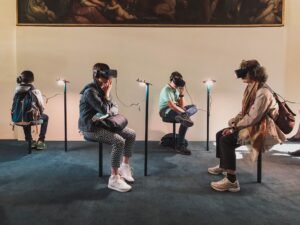
Imagine stepping into a building before it’s even built. That’s what Virtual Reality (VR) offers in architecture – a chance to visualize designs in a fully immersive 3D environment. It’s like having a crystal ball, allowing architects and clients to see and feel the space, understand the scale, textures, and lighting, and make informed decisions.
The level of detail is astounding, providing a real sense of presence inside the virtual model. It’s a game-changer for design accuracy and client satisfaction.
Efficient Design Modification and Prototyping
Changes are inevitable in architectural design. But with VR, modifications become less of a headache. You can quickly iterate designs, test different scenarios, and see the impact of changes instantly. This efficiency not only saves time but also significantly reduces costs associated with traditional prototyping methods. In my experience, using VR for prototyping has streamlined the design process, making it more agile and responsive to changes.
Client Engagement and Communication
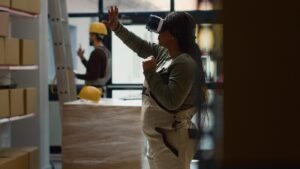
Ever tried explaining a complex architectural concept with just blueprints and 3D renderings? It can be challenging, right? VR changes this narrative. It creates a shared language between architects and clients, making communication more effective.
When clients put on a VR headset, they step into your vision. They can explore, ask questions, and provide feedback in real-time. This interactive experience not only builds trust but also ensures that the final product aligns closely with the client’s expectations.
Virtual Walkthroughs
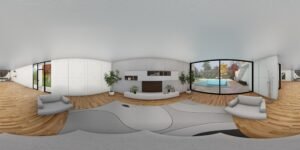
Now, this is where VR truly shines in architecture. Virtual walkthroughs are not just visually immersive; they engage all senses, providing a feel for the texture, acoustics, and even the ambiance of a space.
This immersion helps in identifying potential design flaws that might be missed in 2D renderings. It’s an invaluable tool for finalizing design elements and ensuring the space not only looks good on paper but also feels right in reality.
Cost Reduction and Resource Optimization
Think about the traditional architectural process – it involves a lot of physical materials, travel, and time-consuming revisions, right? Here’s where VR steps in as a cost-saving hero. By creating virtual models, the need for expensive physical models and extensive site visits is significantly reduced.
This not only cuts down on material costs but also on the time and resources spent in revising designs.
Plus, it minimizes the risk of costly errors in the construction phase. In my view, VR is a smart investment for any architecture firm looking to optimize resources and reduce overall project costs.
Remote Collaboration and Global Participation
The world of architecture is no longer confined to local boundaries, thanks to VR. Remote collaboration has become a seamless reality. Architects, clients, and stakeholders from across the globe can meet in a virtual space, discuss, and work on the same project in real-time.
This global participation broadens the talent pool, brings diverse perspectives to the table, and enhances the quality of architectural projects. It’s fascinating how VR bridges geographical gaps, fostering a more collaborative and inclusive approach to architectural design.
Sustainable Design and Environmental Impact
Sustainability is a buzzword in every industry, and architecture is no exception. VR plays a pivotal role here. It allows architects to simulate and analyze environmental factors like sunlight, ventilation, and energy efficiency, ensuring that the designs are sustainable and eco-friendly.
This proactive approach to sustainability can significantly reduce a building’s carbon footprint. Personally, I find this aspect of VR in architecture particularly impactful, as it aligns with the global shift towards more environmentally responsible practices.
Training and Educational Applications
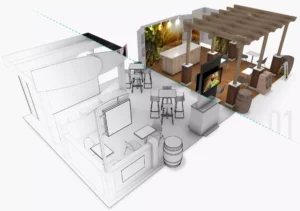
VR has revolutionized architectural education and training. It offers students and young professionals a hands-on experience with realistic design scenarios, something that textbooks and traditional classrooms can’t match.
They can experiment, learn from mistakes, and understand complex architectural concepts in a risk-free virtual environment.
This practical approach to learning not only enhances their skills but also prepares them for the real-world challenges of architecture. As someone passionate about education, I see VR as an invaluable tool in shaping the architects of tomorrow.
Applications of Virtual Reality in Architecture

Design Visualization
Architects can now create and explore their designs in a fully immersive 3D environment. This allows for a more comprehensive understanding of how different elements come together in a space.
You can walk through your creation, inspecting every corner, experiencing the play of light and shadows, and getting a real sense of the building’s scale and proportions. It’s like bringing your blueprint to life, offering a glimpse into the future of the project.
Client Presentations
VR offers a dynamic way to present your designs to clients. Imagine showcasing your architectural vision in a way that your clients can not only see but experience.
They can virtually step inside the building, get a feel of the space, and appreciate the design in a way that’s never been possible before. This immersive experience can be a decisive factor in client meetings, helping them visualize and connect with the project on a deeper level.
Virtual Walkthroughs
Virtual walkthroughs are a cornerstone of VR in architecture. They offer an unparalleled opportunity to explore a space before it’s built physically. This is not just about looking at a model; it’s about being in the model.
You can walk through rooms, understand spatial relationships, and get a true sense of scale and functionality. It’s especially helpful in identifying potential issues early in the design process, saving time and money in the long run.
For me, experiencing my designs through VR walkthroughs has been a transformative experience, altering the way I approach architectural design.
Design Modification and Prototyping
Design is an iterative process, and VR makes these iterations quicker and more efficient. With VR, you can easily make changes to your design and immediately see the effects. This rapid prototyping ability is invaluable, enabling architects to experiment with different ideas and refine their designs in real-time.
Whether it’s altering the layout, trying different materials, or adjusting lighting, VR provides a flexible platform for creative exploration and problem-solving in architectural design.
Remote Collaboration
VR is redefining how architects collaborate. In a field where teamwork is essential, VR provides a common ground for architects, engineers, and clients to come together, regardless of their physical location.
This virtual meeting space allows for real-time collaboration, discussion, and decision-making, making the design process more inclusive and efficient. It’s fascinating to see how VR can connect people from different parts of the world, enabling them to work together on a project as if they were in the same room.
Training and Education
VR’s impact on architectural training and education is profound. It provides a practical, hands-on learning experience that traditional methods cannot match. Students can immerse themselves in virtual environments, understand complex architectural concepts, and develop practical skills in a safe, controlled setting.
This experiential learning approach is not only more engaging but also bridges the gap between theory and practice, preparing students for the challenges of the professional world.
Conclusion
Virtual Reality in architecture stands as a transformative force, redefining traditional architectural practices. It enhances design visualization, improves client communication, and fosters sustainable design, thus shaping the future of architectural innovation.
In conclusion, the application of Virtual Reality in architecture marks a significant milestone in the evolution of design and construction. By adopting VR, architects and clients step into a new era of precision, efficiency, and creativity.
It’s more than just seeing a design; it’s about experiencing it, understanding it, and bringing it to life with greater confidence and clarity. If I were to suggest, embracing VR in architectural practices is not just beneficial; it’s essential for staying ahead in a rapidly changing industry.
As we look towards the future, VR stands as a beacon of innovation, guiding the architectural field towards new horizons of possibilities and achievements.