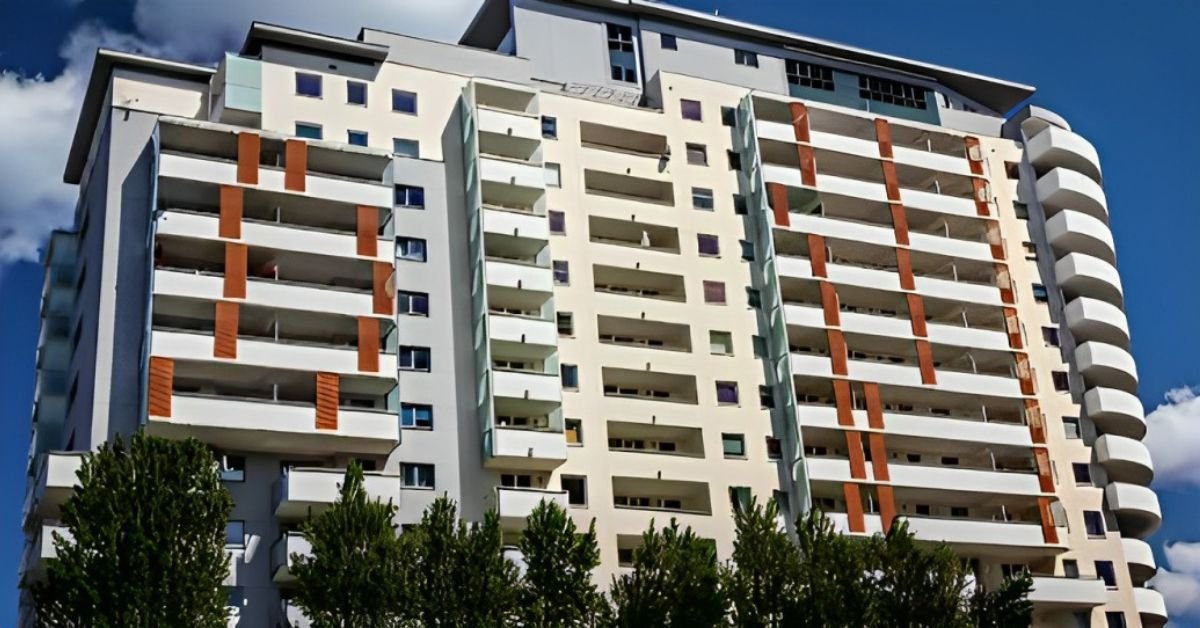
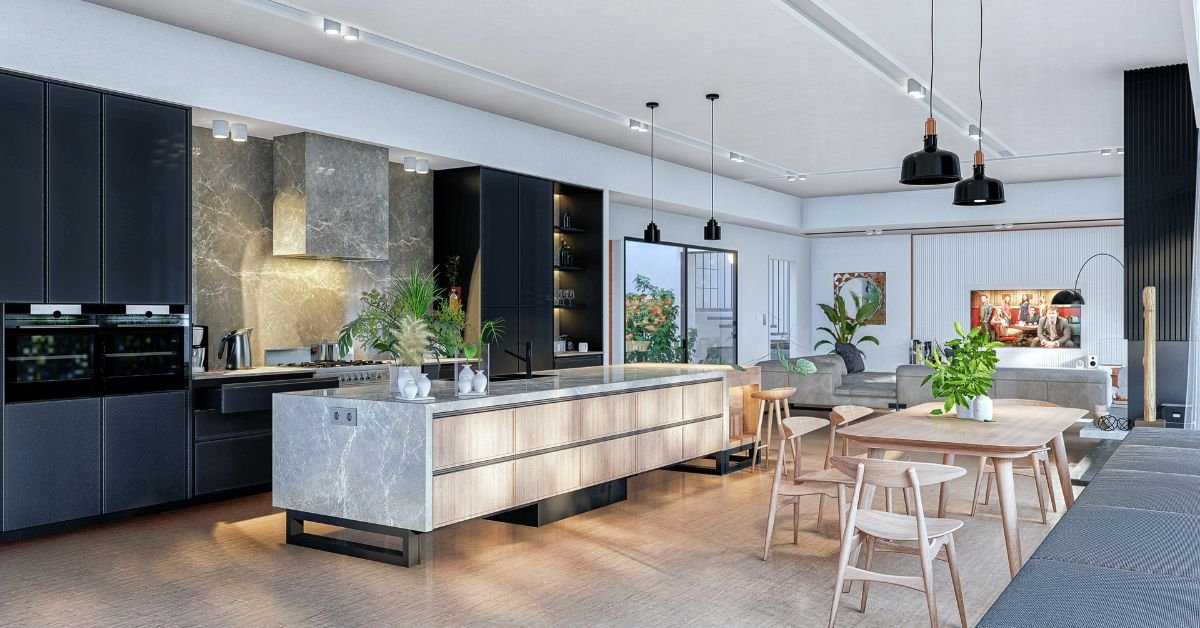
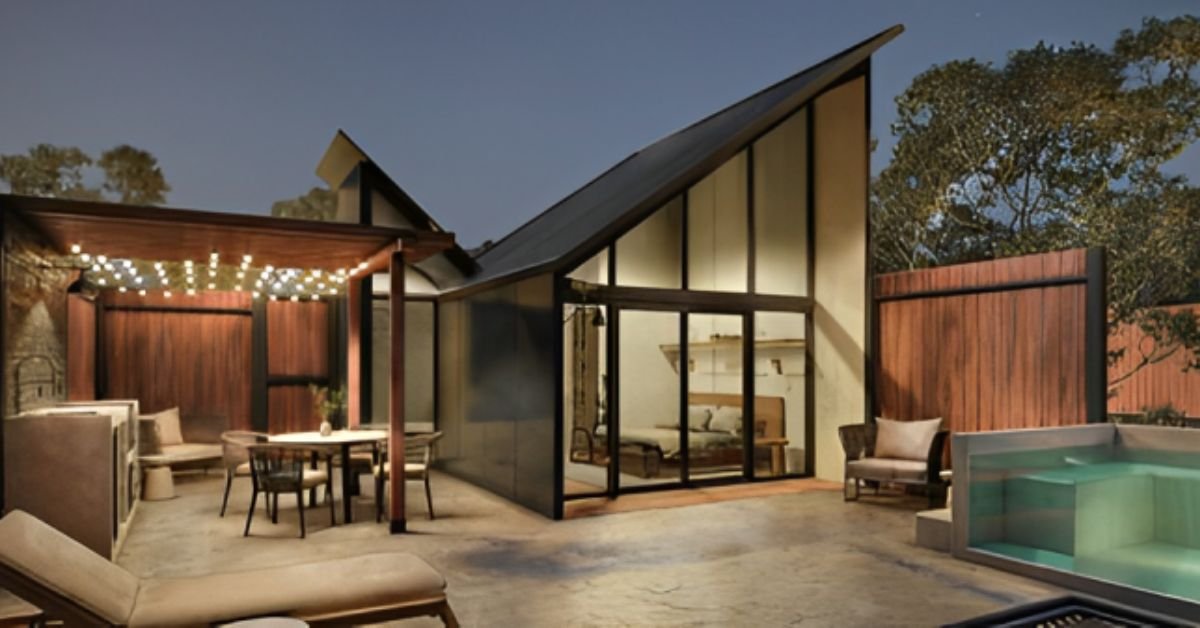
3drenderhub offers comprehensive 3D rendering services designed to meet the needs of architects and designers. Whether you are an experienced architect aiming to enhance your workflow or a newcomer eager to learn, our agency provides a range of services including Exterior Rendering, Residential Rendering, Commercial Rendering, Townhouse Rendering, and Dollhouse Rendering. By using advanced 3D model techniques, we create realistic visualization that brings your projects to life.
The benefits of 3D rendering are manifold, particularly in the field of architectural rendering. With our services, you can use 3D visualization to effectively communicate design ideas and make informed decisions. Our interior design and lighting solutions, crafted by skilled interior designers, ensure that every detail is meticulously planned and executed. Discover how 3drenderhub can elevate your projects through 3D render techniques and enhance your overall design process.
Advantages of 3DRenderHub’s Services
Wide Range of Services: Offering Exterior Rendering, Residential Rendering, Commercial Rendering, Townhouse Rendering, and Dollhouse Rendering ensures comprehensive project coverage.
Innovative Approach: Our young and dynamic team brings ingenuity to every project, making each one unique and tailored to our clients’ needs.
Enhanced Visualization: Utilizing advanced techniques such as 3D animation and photorealistic rendering to effectively visualize designs.
Cost-Effective Solutions: Providing high-quality results at competitive rates, catering to various project scales and budgets.
Marketing Advantage: Creating impactful marketing materials that showcase designs and engage stakeholders effectively.
Streamlined Design Process: From initial concepts to final interior rendering, our services streamline the design process and facilitate better decision-making.
Versatile Solutions: Capable of converting 2D designs into immersive 3D representations that accurately represent project visions.
The Impact of Advanced Rendering Techniques on Architectural Design
At 3DRenderHub, we pride ourselves on offering a wide array of 3D rendering services tailored to meet the needs of architects, designers, and beyond. Our expertise extends beyond Exterior Rendering to encompass Residential, Commercial, Townhouse, and Dollhouse Rendering. Whether you are a seasoned professional in architecture and design or a newcomer exploring 3D architectural visualization, our agency is committed to delivering top-notch solutions that elevate your projects.
Advantages of Utilizing 3D Rendering
Advantages of 3D rendering are abundant in modern design practices. From photorealistic rendering that brings concepts to life to real-time rendering that allows for immediate adjustments, our services empower clients to visualize their projects with clarity and precision. Through detailed 3D images and the ability to explore different angles, architects and designers can effectively communicate their ideas and make informed decisions.
Enhancing Design and Visualization
Our 3D services extend beyond traditional architectural renderings. We specialize in visualizing intricate 3D objects, aiding in product design, and creating immersive virtual tours that provide stakeholders with a comprehensive view of the project. By harnessing advanced 3D architectural visualization techniques, we ensure that every detail is meticulously crafted to meet your specifications.
Tailored Solutions for Every Project
At 3DRenderHub, we understand the diverse needs of our clients. Whether you require highly detailed interior renderings for residential projects or expansive commercial visualizations for marketing purposes, our team is equipped to deliver. Each project is approached with creativity and precision, ensuring that our solutions not only meet but exceed expectations.
Commitment to Quality and Innovation
Our commitment to quality is reflected in every project we undertake. We leverage the latest technology and software to achieve photorealistic results that captivate and inspire. By staying at the forefront of industry trends and innovations, we continuously evolve our techniques to provide cutting-edge 3D rendering solutions.
How Can 3D Rendering Services Enhance Your Project’s Visual Appeal?
In the realm of architecture and design, 3D rendering services play a pivotal role in transforming ideas into visually captivating realities. At 3drenderhub, we specialize in a range of services including Exterior, Residential, Commercial, Townhouse, and Dollhouse Rendering. Whether you are an established architect looking to streamline your workflow or a newcomer eager to explore the possibilities, our agency is dedicated to providing solutions that elevate your projects.
Visualizing Complex Architectural Designs
One of the primary benefits of utilizing 3D architectural rendering services is the ability to visualize complex architectural designs with unparalleled clarity. Unlike traditional 2D drawings, 3D rendered images offer depth and perspective, allowing architects and designers to present their concepts in a realistic manner. This not only enhances the visual appeal but also enables stakeholders to grasp the project’s spatial layout and aesthetic impact.
Creating Realistic and Engaging Presentations
3D rendering offers architects and designers the advantage of creating rendered images that are not only visually striking but also highly realistic. By simulating materials, textures, and lighting conditions, rendered visuals provide a preview of the final product that is almost indistinguishable from reality. This capability not only aids in decision-making processes but also allows clients and investors to envision the project’s potential with greater confidence.
Utilizing Virtual Tours for Enhanced Understanding
Another significant way in which 3D rendering services benefit architects and designers is through the creation of immersive virtual tours. These tours allow stakeholders to explore the project from different angles and perspectives, providing a comprehensive understanding of its spatial layout and design features. Virtual tours are invaluable tools for marketing purposes, as they enable potential buyers or investors to experience the property or concept in a dynamic and interactive manner.
Enhancing Collaboration and Communication
Effective communication is key to successful project execution. Designers and architects can benefit from 3D rendering by using rendered visuals to convey ideas and concepts more effectively to clients, collaborators, and construction teams. This visual clarity reduces ambiguity and ensures that all parties involved are aligned with the project vision, leading to smoother workflows and better outcomes.
Exploring the Benefits of 3D Models in Architectural Visualization
In the realm of architecture and design, 3D rendering has revolutionized the way projects are visualized and presented. At 3drenderhub, we specialize in a variety of rendering services including Exterior, Residential, Commercial, Townhouse, and Dollhouse Rendering. Whether you’re an experienced architect looking to streamline your workflow or a newcomer eager to explore innovative tools, our agency is committed to providing comprehensive solutions.
Enhanced Visualization and Realism
3D models serve as a powerful tool in architectural visualization, offering unparalleled realism and detail. Unlike traditional 2D drawings, 3D rendering allows architects to create lifelike representations of architectural designs. This capability enhances the visualization process, enabling architects and clients to accurately visualize the final project based on a 3D model.
Flexibility and Adaptability
One of the key advantages of 3D rendering is its flexibility. Architects can easily modify and experiment with different design elements such as materials, textures, and furniture arrangements within the 3D model. This flexibility allows for iterative design processes where changes can be made swiftly based on client feedback or project requirements, leading to more refined and satisfactory outcomes.
Communication and Collaboration
3D rendering facilitates effective communication and collaboration among stakeholders involved in the project. By presenting detailed renderings and walkthroughs, architects can effectively convey design ideas to clients, potential clients, and project collaborators. This visual clarity reduces misunderstandings and ensures that everyone involved has a clear understanding of the project vision.
Utilizing Animation and Interactive Features
In addition to static renderings, 3D rendering also offers animation services that bring designs to life. Animated walkthroughs and flyovers allow viewers to explore the project from different angles and perspectives, providing a dynamic and immersive experience. This interactive capability not only enhances presentations but also helps in marketing and showcasing architectural projects to potential clients.
Why Choose 3DRenderHub for Your Architectural Rendering Needs?
In the dynamic fields of architecture and design, 3D rendering has emerged as a transformative technology, offering capabilities that go beyond traditional methods. At 3drenderhub, we specialize in a wide range of rendering services including Exterior, Residential, Commercial, Townhouse, and Dollhouse Rendering. Whether you are an experienced architect looking to streamline your workflow or a newcomer curious about innovative tools, our agency is dedicated to providing comprehensive solutions.
A significant advantage of 3D rendering is its ability to enhance design visualization through detailed 3D modeling. Unlike flat 2D drawings, 3D modeling allows architects and designers to create lifelike representations of architectural concepts. This capability not only aids in visualizing spatial relationships but also helps clients and stakeholders better understand the final design outcome.
The versatility of 3D rendering extends across multiple industries, including the real estate industry where realistic property visualizations can attract potential buyers and investors. By using 3D modeling and rendering techniques, architects can create compelling visuals that not only save time and money but also aid in marketing properties effectively.
In product development, 3D rendering serves as a powerful tool for creating accurate representations of products before they are manufactured. This allows businesses to identify potential design flaws and make necessary adjustments early in the process. Moreover, rendering services provide high-quality visuals that can be used in promotional materials and marketing campaigns, enhancing product visibility and appeal.
One of the key benefits of 3D rendering is its ability to facilitate collaboration and communication among project stakeholders. By presenting realistic renderings and interactive apps, architects can effectively convey design ideas to clients and team members. This visual clarity reduces misunderstandings and ensures that everyone involved is aligned with the project vision.
Conclusion
In conclusion, 3drenderhub excels in delivering comprehensive 3D rendering services that cater to diverse needs in architectural and design industries. From 3D exterior rendering to 3D interior visualization, our expertise extends across various types of CGI, creating 3D models that make it easier for clients to envision the final product. 3D renders also play a crucial role in architectural and design processes, allowing stakeholders to collaborate effectively and make informed decisions. Whether visualizing complex architectural designs or marketing real estate projects, our commitment to precision and creativity ensures that your vision is brought to life with clarity and impact.
3drenderhub offers a comprehensive range of 3D exterior rendering services to meet your diverse needs. Our team of skilled 3D artists specializes in creating stunning exterior renders that bring your architectural visions to life. Whether you need residential rendering, commercial rendering, townhouse rendering, or dollhouse rendering, we provide top-notch exterior rendering services that ensure your projects stand out.
As an online architectural agency, we cater to both seasoned architects and newcomers. Our expert 3D rendering services include creating detailed 3D models that accurately represent your designs. With our 3D architectural rendering capabilities, you can visualize your projects in a realistic and immersive manner. We are dedicated to assisting you in enhancing your workflow and achieving your architectural goals with our exceptional rendering services.
Advantages of 3drenderhub and Our Services
Comprehensive Services: At 3drenderhub, we offer a full range of 3D rendering services, including residential rendering, commercial rendering, townhouse rendering, and dollhouse rendering.
High-Quality Visuals: Our exterior 3d rendering services provide stunning and realistic images that bring your architectural projects to life.
Expert Team: Our young, dynamic team is dedicated to delivering unique and innovative solutions for every rendering project, ensuring each project is as unique as our clients.
Enhanced Workflow: We assist both seasoned architects and newcomers, helping to streamline workflows and improve project outcomes with our 3d architectural exterior services.
Realistic Visualization: With our architectural visualization services, you can visualize your designs in a highly detailed and immersive manner, aiding in better decision-making.
Specialized in Exteriors: We specialize in exterior architectural and architectural exterior renderings, ensuring your designs are accurately represented and visually appealing.
Client-Centered Approach: Our commitment to understanding and fulfilling client needs makes every architectural project a success, tailored specifically to your requirements.
How Can 3drenderhub’s Rendering Services Enhance Your Architectural Projects?
3drenderhub, a renowned 3D exterior rendering company, offers comprehensive solutions that can significantly enhance your architectural projects. Our services are designed to meet the diverse needs of architects, developers, and designers. Here’s how our exterior rendering services can add value to your projects.
Detailed and Realistic Visuals
At 3drenderhub, we specialize in 3D architectural exterior rendering. Our exterior architectural visualization services provide highly detailed and realistic images that accurately represent your architectural designs. These visuals help in presenting your ideas more effectively, allowing clients and stakeholders to fully grasp the concept and scope of your projects. By using advanced technology and skilled 3D artists, we ensure that every aspect of the design is captured with precision.
Improved Communication and Collaboration
Our architectural exterior rendering services facilitate better communication and collaboration among project teams. Detailed 3D exterior visualizations make it easier to convey complex design ideas and modifications. This leads to more productive discussions and faster decision-making processes. As a result, potential misunderstandings and errors are minimized, ensuring a smoother project workflow.
Versatility in Rendering Services
3drenderhub offers a wide range of services beyond typical exterior renderings. Our portfolio includes residential rendering, commercial rendering, townhouse rendering, and dollhouse rendering. This versatility allows us to cater to various types of exterior projects, providing tailored solutions for different architectural needs. Whether it’s a small residential project or a large commercial development, our team is equipped to handle it with expertise.
Enhanced Marketing and Presentation
High-quality 3D exterior renderings are essential for marketing and presentation purposes. Our exterior rendering projects help in creating compelling visuals that can be used in brochures, websites, and other marketing materials. These visuals not only attract potential clients but also enhance the overall presentation of your architectural designs. By showcasing realistic and detailed renderings, you can effectively highlight the unique features and benefits of your projects.
Streamlined Project Development
Using our architectural design services can streamline the entire project development process. With accurate and detailed renderings, you can identify potential design issues early on and make necessary adjustments before construction begins. This proactive approach helps in saving time and resources, ultimately leading to a more efficient project execution.
The Benefits of Using 3drenderhub’s 3D Exterior Rendering Services
3drenderhub offers a comprehensive suite of 3D exterior design rendering services that can significantly improve your architectural projects. From detailed visualizations to streamlined project workflows, our services cater to a wide range of needs, ensuring that your designs are presented in the most effective and impactful way.
Realistic and Detailed Visualizations
Our 3D exterior renderings provide highly realistic and detailed images that bring your architectural designs to life. These renderings enable a clear and precise visualization of the exterior, helping clients and stakeholders fully understand the scope and intricacies of your project. This level of detail is crucial for conveying the true essence of your design and making informed decisions throughout the development process.
Enhanced Communication and Collaboration
Effective communication is key to successful project execution. With 3drenderhub’s3D exterior visualization services, you can improve collaboration among your team and with clients. Our detailed visualizations facilitate better discussions, allowing for a clearer understanding of design concepts and potential adjustments. This collaborative approach helps in minimizing errors and ensuring that everyone is on the same page, leading to more efficient project outcomes.
Versatility Across Different Project Types
At 3drenderhub, we understand that each project is unique. Our expertise spans a variety of types of 3D exterior projects, including residential rendering, commercial exterior rendering, townhouse rendering, and dollhouse rendering. This versatility allows us to tailor our services to meet the specific needs of each project, whether it’s a small residential development or a large commercial building. By addressing the unique requirements of different projects, we ensure that our renderings are both accurate and impactful.
Streamlined Exterior Rendering Process
Our exterior rendering process is designed to be efficient and thorough. From the initial concept to the final render, we ensure that every step is meticulously planned and executed. This structured approach helps in identifying and addressing potential issues early on, saving time and resources. By streamlining the rendering process, we enable faster project turnaround times without compromising on quality.
Improved Marketing and Presentation
High-quality 3D exterior renderings are essential for effective marketing and presentation. Our renderings can be used in brochures, websites, and other promotional materials to attract potential clients and investors. The realistic depiction of your building’s exterior helps in showcasing the unique features and benefits of your design, making a strong impression on your audience.
Commitment to Innovation and Quality
3drenderhub is dedicated to delivering innovative and high-quality rendering solutions. Our team of skilled professionals is committed to staying at the forefront of technology and design trends, ensuring that our clients receive the best possible service. We pride ourselves on our ability to create renderings that are not only visually stunning but also accurately represent the architectural vision of each project.
Why Choose 3drenderhub for Exterior Renderings?
3drenderhub provides a wide array of 3D exterior visualization services that can significantly elevate your architectural projects. From creating photorealistic renderings to streamlining your workflow, our services are designed to meet diverse needs and ensure your designs are presented in the best possible light.
Detailed and Photorealistic Renderings
Our team at 3drenderhub specializes in producing photorealistic 3D architectural renderings. These high-quality visuals bring your designs to life, offering a detailed and realistic depiction of your projects. By using 3D exterior rendering, you can showcase the unique features of your commercial exterior and other architectural projects, making a strong impression on clients and stakeholders.
Efficient Exterior Rendering Process
We have developed an efficient exterior rendering process that ensures every step, from initial concept to final output, is meticulously planned and executed. This approach helps in identifying potential issues early on, saving time and resources. Our structured process enables us to deliver high-quality renderings quickly and efficiently, meeting the needs of even the most demanding projects.
Versatility in Rendering Services
3drenderhub offers a variety of types of 3D exterior rendering services to cater to different project requirements. Whether you need residential, commercial, townhouse, or dollhouse renderings, our team has the expertise to deliver. Each type of rendering is tailored to meet the specific needs of the project, ensuring accurate and impactful visualizations.
Cost-Effective Solutions
Understanding the cost of an exterior rendering project is crucial for budget planning. At 3drenderhub, we provide cost-effective solutions without compromising on quality. Our transparent pricing ensures that you get the best exterior rendering services at competitive rates. By offering value for money, we help you manage project costs effectively while achieving outstanding results.
Enhanced Marketing and Presentation
High-quality 3D exterior renderings are essential for effective marketing and presentation. Our renderings can be used in brochures, websites, and other promotional materials to attract potential clients and investors. The realistic depiction of your designs helps in showcasing the unique features and benefits of your projects, making a strong impression on your audience.
Commitment to Innovation and Quality
At 3drenderhub, we are dedicated to delivering innovative and high-quality rendering solutions. Our team of skilled professionals stays at the forefront of technology and design trends, ensuring that our clients receive the best possible service. We pride ourselves on our ability to create renderings that are not only visually stunning but also accurately represent the architectural vision of each project.
What Makes 3drenderhub’s 3D Rendering and Architectural Visualization Unique?
3drenderhub stands out in the industry of 3D rendering and architectural visualization due to its commitment to quality, innovation, and client satisfaction. Our high-quality exterior renderings are meticulously crafted to showcase the intricate details and unique features of each architectural project. Whether it’s a residential, commercial, townhouse, or dollhouse rendering, we ensure that every project receives the same level of attention and precision, making us a preferred choice for architects and designers.
One of the key aspects that make 3drenderhub unique is our ability to create photorealistic renderings. These renderings offer a lifelike representation of the project, enabling clients and stakeholders to visualize the final outcome accurately. Our use of advanced technology and techniques in 3D solutions ensures that every detail is captured, from the texture of materials to the play of light and shadow, providing a realistic and immersive experience.
Our 3D exterior design rendering services are tailored to meet the specific needs of each project. By developing a 3D model of the building, we can explore various design options and make necessary adjustments before the actual construction begins. This not only saves time and resources but also allows for better decision-making and more efficient project management. Our dynamic approach to 3D ensures that every rendering is not only visually stunning but also functional and practical.
3drenderhub’s expertise in exterior architectural rendering is evident in our portfolio, which showcases a wide range of architectural styles. From modern and contemporary designs to classical and traditional architectures, we have the skills and experience to render any architectural style with precision. Our renderings are designed to show the exterior of buildings in the most appealing way, highlighting their best features and enhancing their overall aesthetic appeal.
Another factor that sets us apart is our transparent and competitive pricing. Understanding the cost of 3D rendering is crucial for clients, and we ensure that our services are affordable without compromising on quality. Our clear pricing structure allows clients to plan their budgets effectively, making our services accessible to a wide range of projects, from small-scale residential developments to large commercial complexes.
In conclusion, 3drenderhub offers a unique blend of quality, innovation, and client-focused services in the field of 3D rendering and architectural visualization. Our ability to create photorealistic renderings, combined with our expertise in various architectural styles and transparent pricing, makes us a leader in the industry. By choosing 3drenderhub, clients can be assured of receiving the highest quality renderings that truly bring their architectural visions to life.
Conclusion
In conclusion, 3D house rendering services are crucial in modern architectural projects. Exterior rendering is an essential aspect, as it brings designs to life by showcasing the exterior design of architectural projects. Rendering is an essential part of the design process, helping to visualize the final outcome. Contextual elements in exterior renderings enhance the realism and effectiveness, ensuring that the designs are accurately represented and fit seamlessly into their intended environments.
Building Revolutionized Infrastructure: The Arrival Of 3d Printed Houses
Imagine houses rising from the ground layer by layer, printed by giant robots instead of built by hand. That’s the revolutionary world of 3D printed houses, poised to disrupt traditional construction with mind-blowing speed and precision. Gone are the days of slow brick-and-mortar builds; 3D printing promises to slash construction times by months, even weeks, churning out customized homes with a fraction of the usual labor.
But it’s not just about speed; 3D printing unlocks a universe of advantages, from intricate designs that defy convention to potentially lower costs through material optimization and reduced waste. This isn’t science fiction; this is the dawn of a new era in architecture, where homes can be more affordable, sustainable, and even printed to order like your next pair of shoes. Buckle up, the future of housing is getting a radical makeover, one layer of printed concrete at a time.
Benefits of 3D Printed Houses:
1. Faster and more efficient construction:
Imagine your future home materializing in days, not months. 3D printers churn out walls and structures layer by layer, significantly reducing overall construction time compared to traditional methods. This means quicker moves, faster disaster relief, and potentially lower construction costs due to shorter deadlines.
2. Reduced costs and waste:
Forget mountains of construction debris. 3D printing uses only the exact amount of material needed, minimizing waste and saving on disposal costs. The precise printing process also optimizes material usage, potentially leading to cost savings compared to traditional construction methods.
3. Increased Design Flexibility:
Craving a home that whispers your unique style? 3D printing throws open the door to limitless design possibilities. Imagine curved walls, intricate patterns, and innovative structures, all brought to life with breathtaking precision. Unleash your inner architect and design a home that truly reflects your individuality.
4. Sustainability considerations:
3D printing is making sustainability strides. Think recycled materials being woven into your walls, eco-friendly printing techniques minimizing environmental impact, and designs optimized for energy efficiency. Build a future-proof home that’s kind to the planet, from its construction to its daily operation.
5. Improved disaster resilience:
Forget flimsy walls trembling in the wind. 3D printed structures can be engineered for increased strength and resilience to withstand natural disasters like earthquakes and floods. Imagine a home that not only provides shelter, but also offers peace of mind in the face of unexpected challenges.
Challenges and Considerations for 3D Printed Houses:
1. Technological limitations:
While the promise is grand, current printing technology has limitations. Printing large, complex structures can be tricky, and materials like wood and traditional brick haven’t fully embraced the 3D revolution. Expect ongoing advancements, but be prepared for potential size and material constraints for now.
2. Regulations and approvals:
The legal landscape for 3D printed houses is still evolving. Zoning regulations and building codes might need adaptation, and securing permits for these novel structures could involve additional hurdles. Navigating the regulatory terrain requires patience and collaboration with authorities.
3. Social and economic implications:
While 3D printing promises efficiency, it could also disrupt traditional construction jobs. Consider potential retraining programs and ensuring equitable access to this technology to avoid exacerbating socioeconomic disparities. Remember, progress should serve everyone, not just a select few.
4. Environmental impact:
While sustainability is a focus, the life cycle impact of 3D printed materials and printing processes needs careful analysis. Research eco-friendly printing techniques, prioritize recycled materials, and ensure responsible disposal of any printing waste. Build a future that’s not just technologically advanced, but also environmentally responsible.
Examples and Case Studies:
Across the globe, daring pioneers are pushing the boundaries of 3D printed houses. Currently in Austin, Texas, Icon’s Vulcan II printer conjured a sleek startup home in days, showcasing affordability and rapid construction. Meanwhile, Apis Cor in Russia unveiled a two-story marvel, printed in one piece and boasting impressive fire resistance. For sustainability enthusiasts, WASP in Italy crafted a bioplastic hut in Mexico, demonstrating the potential for eco-friendly materials and easy recycling. These are just a handful of the exciting case studies, proving that using 3D printed houses are no longer futuristic dreams, but tangible realities shaping the future of our built environment.
Remember, this is just a brief overview. You can dig deeper into specific projects, highlighting unique design features, materials used, or challenges overcome. Adding visuals like pictures or videos can further enhance your presentation and showcase the impressive diversity of 3D printed houses emerging worldwide.
The Future of 3D Printed Homes
The future of 3D printed homes shimmers with possibility. Imagine towering skyscrapers sculpted on-site, disaster-resilient communities printed in days, and personalized houses reflecting unique styles, all rising layer by layer from the ground. Technology will continue to evolve, pushing boundaries with more robust materials, larger printing areas, and even multi-color capabilities. Design freedom will explode, with intricate curves, biomimicry, and gravity-defying structures becoming commonplace. Sustainability will be woven into the fabric of these homes, utilizing recycled materials, optimizing energy efficiency, and minimizing environmental impact.
Beyond individual dwellings, imagine 3D-printing communities: eco-villages integrated with their landscapes, disaster-relief shelters constructed in hours, and even off-world habitats on Mars or beyond. This technology holds the potential to democratize housing, making it more affordable, accessible, and personalized than ever before.
8 Transformative Benefits of 3D Architectural Illustration in Modern Design
The entire architectural landscape is undergoing a seismic shift, driven by a revolutionary force: 3D architectural illustration. No longer relegated to futuristic movies, this powerful tool is empowering architects to transcend the limitations of 2D drawings and unlock a universe of transformative benefits. From immersive client engagement to hyper-realistic precision, 3D illustration is reshaping the design process, paving the way for more efficient, sustainable, and captivating creations.
Buckle up, design enthusiasts, because we’re about to explore the eight game-changing advantages that will send your architectural vision soaring into a new dimension. Get ready to ditch the flat sketches and muddy mockups – the future of design is here, and it’s brimming with vibrant possibilities, thanks to the magic of 3D.
So, whether you’re a seasoned architect seeking to elevate your workflow or a curious newcomer eager to understand the buzz, grab your virtual goggles and immerse yourselves in the world of 3D architectural illustration. Prepare to be amazed by its ability to bridge the gap between imagination and reality, fostering collaboration, optimizing results, and ultimately, shaping the breathtaking buildings of tomorrow.
8 Key Benefits:
Forget flat sketches and muddy mockups. 3D architectural illustration is revolutionizing the design process, offering incredible advantages for both architects and clients. Here are the eight game-changing benefits that will elevate your design journey:
1. Immersive Visualization and Communication:
Dive into your design industry! 3D models and virtual tours create a clear, interactive understanding for everyone involved. Clients can explore spaces at their own pace, while animations and fly-throughs showcase functionality and spatial flow with stunning clarity. Forget misinterpretations and misunderstandings – 3D takes everyone on the same breathtaking journey.
2. Precision in Design:
No more guesswork! 3D models offer pinpoint accuracy, allowing for precise measurements, scale studies, and clash detection. Errors are easily identified and rectified before construction begins, saving time, money, and headaches. Think of it as building your model virtually first, which further leads to blueprint effectively provide every detail in it’s finished project before laying the first brick, showcasing architectural design and cost effectiveness.
3. Design Flexibility and Modifications:
Gone are the days of endless revisions. 3D models are infinitely malleable, allowing you to test and modify design options, materials, and layouts with ease. Explore different scenarios, compare configurations, and find the perfect solution without starting from scratch. It’s like playing with design Legos, but with realistic elements!
4. Photorealistic Representation:
See your vision come to life! High quality images present better portrayals of your design, complete with textures, lighting, and even the play of sunlight. Materials and finishes can be chosen with confidence, ensuring your final building matches the dream you visualized. It’s like holding a crystal ball of your completed project, giving you peace of mind and wowing your clients.
5. Project Planning and Execution Powerhouse:
3D models bridge the gap between design and construction, creating a seamless workflow. Enhanced communication and collaboration among teams lead to fewer errors and delays. Virtual construction simulations optimize logistics, while prefabrication planning based on the 3D model streamlines on-site assembly. Think of it as building a virtual roadmap before hitting the ground, ensuring a smoother journey for everyone involved.
6. Sustainable Design Champion:
Embrace eco-conscious design without the guesswork. 3D simulations analyze energy efficiency, daylighting, and material impact, allowing you to optimize your design for sustainability. Integrate environmental analysis tools with your 3D model to find the perfect balance between beauty and eco-friendliness. It’s like having a green genie whispering sustainable solutions in your ear!
7. Client Engagement and Marketing Magnet:
Impress your clients and win over investors with high-quality visuals. Stunning 3D renderings and VR experiences showcase your design in all its glory, capturing attention and boosting confidence. Think of it as turning your presentation into an interactive wonderland, leaving a lasting impression that turns leads into loyal partners.
8. Space Planning and Optimization Whiz:
3D models become your playground for optimizing space allocation, furniture placement, and traffic flow. Virtual reality walk-throughs allow clients and designers to experience the space firsthand, identifying potential bottlenecks and maximizing comfort. It’s like shrinking down and walking through your own design, ensuring every inch is utilized to its full potential.
These eight transformative benefits demonstrate the power of 3D architectural illustration in modern design. It’s not just about flashy pictures; it’s about empowering architects, engaging clients, and building a greener future, one beautiful design at a time.
Conclusion:
The once futuristic world of 3D architectural illustration has arrived, reshaping the design landscape and empowering architects with incredible new possibilities. Step beyond flat sketches and embrace immersive visualization: take clients on virtual tours, showcase intricate details with photorealistic renderings, and eliminate errors with pinpoint accuracy in your models.
But the magic of 3D goes far beyond visuals. It’s a design powerhouse, optimizing workflows with seamless project planning, prefabrication simulations, and eco-conscious analysis. Engage clients with stunning VR experiences, refine space allocation with virtual walk-throughs, and unleash your design flexibility with endless modifications. From inception to execution, 3D illustration is your partner, ensuring every detail is perfect before the first brick is laid. So, dive into this new dimension of design – the future of architecture is 3D, and it’s breathtakingly beautiful.
Blending Art and Science: Using Parametric Design in Architecture
The architectural landscape is experiencing a revolution, led by a powerful force: parametric design. Forget the limitations of static sketches and embrace a dynamic world where algorithms shape buildings that breathe and adapt. Imagine facades morphing based on sunlight, structures optimized for strength and efficiency, and entire spaces evolving with the click of a button.
This isn’t science fiction; it’s the present, where architects are harnessing the power of computation to push the boundaries of design and create breathtaking, responsive structures. parametric design in modern architecture isn’t just about fancy forms; it’s about a new way of thinking, a paradigm shift where data, algorithms, and human ingenuity join forces to shape the future of architecture. So, dive in and explore this exciting realm.
Prepare to be amazed by the possibilities, from optimizing structures for sustainability to unleashing your creativity with endless design variations. The future of architecture is dynamic, data-driven, and it’s here right now, waiting to be shaped by your vision.
Unlocking the Secrets: Parametric Design’s Key Feature
1. Algorithmic Workflow:
The heart of parametric design process lies in algorithms, the intelligent rules that govern design decisions. Parameters, acting as numerical inputs or constraints, guide these algorithms, weaving a symphony of interconnected relationships between design elements. Imagine a facade pattern that blossoms with complexity from a few simple rules, or a structural system that adapts seamlessly to varying loads—this is the power of algorithmic thinking in action.
2. Dynamic Optimization:
parametric building models are not static blueprints but living, breathing entities that respond to change with grace. Adjust a parameter, and the entire design ripples with updates, revealing new possibilities in real-time. This dynamic nature empowers architects to experiment, optimize, and refine their designs effortlessly, fostering an iterative exploration of endless possibilities.
3. Data-Driven Design:
Parametric design transcends aesthetics and embraces a world where data informs and shapes architectural decisions. Imagine integrating environmental data to sculpt a building that harmonizes with sunlight and wind patterns, or structural analysis to optimize material usage and strength. The fusion of data and design creates intelligent structures that respond to their context and perform at their peak.
Deep Dive into the Benefits of Parametric Design in Architecture
Parametric design isn’t just a fancy buzzword; it’s a game-changer, revolutionizing the architectural landscape with a cascade of benefits that empower both efficiency and creativity. Let’s unlock the treasure chest of its advantages:
1. Enhanced Design Efficiency:
Goodbye, repetitive tasks: Say farewell to manually adjusting countless elements every time a parameter changes. Parametric automation takes the reins, handling repetitive tasks like generating design documentation or adjusting components based on rules. Imagine slicing project hours in half and focusing your energy on the truly creative aspects.
Hello, lightning-fast exploration: Gone are the days of waiting for static models to render. Parametric models adapt and iterate instantly, allowing you to test countless design variations with a click. Explore diverse options, find the perfect solution faster, and impress clients with your agility.
Streamlined collaboration, maximized synergy: Parametric models act as dynamic hubs for interdisciplinary collaboration. Architects, engineers, and other stakeholders can access and modify the shared model in real-time, ensuring everyone is on the same page and decisions are informed by collective feedback.
2. Improved Performance and Optimization:
Strength in every curve: Forget guesswork, embrace optimization! Algorithms analyze and adapt structures based on specific parameters, like load-bearing capacity or seismic forces. Imagine buildings that are not just beautiful, but incredibly resilient, utilizing materials and forms with pinpoint efficiency.
Energy efficiency whispers in your ear: Parametric tools integrate data like sunlight patterns and climate information, allowing you to design structures that breathe with the seasons. Optimize building envelopes for minimal energy consumption, crafting spaces that are comfortable, cost-effective, and kind to the planet.
Human comfort becomes an equation: From airflow patterns to noise minimization, parametric design can analyze various factors that affect human experience within a space. Imagine designing buildings that not only look stunning but also prioritize occupant well-being, creating environments that nurture productivity and happiness.
3. Greater Design Precision and Control:
Pixel-perfect precision at your fingertips: Craving intricate details or complex geometries that would baffle traditional methods? Parametric design throws open the door to a world of unlimited possibilities. Craft curves that dance with light, generate intricate patterns that defy conventional limitations, and master every minute detail with the precision of a laser.
Unleash the master of variations: Want to explore different facade options, test roof angles, or compare material choices instantly? Parametric design makes it a reality. Generate countless variations of your design with a single tweak, compare them side-by-side, and make informed decisions based on visual and performance evaluations.
No more surprises, just flawless execution: Say goodbye to last-minute surprises and costly rework. The iterative nature of parametric design allows you to identify and address potential issues within the virtual model, ensuring your final creation is not just beautiful, but flawlessly executed.
Parametrically Sustainable landmarks: Examples Of Parametric Buildings From Around The World
From Beijing’s Bird’s Nest to Dubai’s swirling Burj Khalifa, parametric design leaves breathtaking fingerprints on iconic structures around the globe. Imagine the Beijing National Stadium’s intricate latticework, each steel triangle precisely positioned by algorithms, whispering aerodynamic efficiency at the 2008 Olympics. Or picture the Burj Khalifa’s spiraling form, its facade optimized for sun exposure and wind resistance, a testament to the synergy of beauty and performance. These are just two jewels in the crown of parametric architecture, showcasing its ability to create awe-inspiring forms while solving complex design challenges.
But the magic isn’t limited to mega-structures. Residential buildings can utilize parametric techniques to optimize daylighting and natural ventilation, while museums like the Louvre Abu Dhabi employ algorithmic patterns to create breathtaking and intricate facades. Every scale, from intimate to monumental, feels the transformative touch of parametric design.
Challenges and Considerations:
While parametric design paints a dazzling future for architecture, it’s not without its hurdles. Let’s navigate the exciting landscape, acknowledging both the challenges and the crucial considerations for responsible implementation:
The Learning Curve:
Mastering parametric tools isn’t a cakewalk. These complex software programs require dedication and continued learning, potentially forming a barrier for smaller firms or architects new to the technology. Upskilling through training programs and collaborative partnerships can pave the way, ensuring everyone has access to this transformative tool.
Cost Considerations:
Initial software acquisition and training costs can be significant, particularly for smaller practices. However, consider the long-term benefits: increased efficiency, optimized designs, and reduced rework can potentially translate into cost savings and increased project profitability. Exploring open-source software options and collaborative partnerships can also make parametric design more accessible.
The Algorithmic Allure:
It’s easy to get caught up in the algorithmic magic, letting algorithms dictate every design decision. Remember, the human touch remains at the heart of good architecture. Use algorithms as powerful tools to explore possibilities, optimize structures, and inform your creative vision, but never allow them to replace the irreplaceable value of human judgment and artistic intuition.
Ethical Implications:
With great power comes great responsibility. Consider the environmental impact of material choices and construction methods that parametric design might optimize. Prioritize sustainability, utilize locally sourced materials, and design structures that blend seamlessly with their surroundings. Remember, technology should serve humanity and the planet, not the other way around.
Collaboration is Key:
Parametric design thrives on collaboration. Break down silos between disciplines, encourage architects, engineers, and other stakeholders to engage with the model, and embrace diverse perspectives. By fostering open communication and shared understanding, you can harness the collective power of expertise to create truly remarkable designs.
These challenges and considerations remind us that parametric design is not a magic bullet, but a powerful tool that requires responsible and thoughtful implementation. By acknowledging its limitations, continuously learning, and prioritizing human-centric design, we can unlock the full potential of this technology to shape a sustainable, inspiring, and truly human-centered future for architecture.
Conclusion:
Forget static sketches and monotonous drafting; parametric design is revolutionizing architecture with its powerful toolset. Imagine buildings that adapt to sunlight, structures optimized for performance, and intricate forms crafted with pixel-perfect precision. This isn’t a future dream; it’s here now, empowering architects with:
Lightning-fast efficiency: Automation and iterative models slash design time, let you explore countless variations, and foster seamless collaboration.
Performance optimization: Algorithms sculpt buildings for strength, energy efficiency, and human comfort, crafting not just beautiful, but truly sustainable creations.
Unleashing creativity: Precise control and endless variations open doors to intricate forms, unexpected solutions, and a universe of design possibilities.
While challenges like software learning curves and ethical considerations exist, remember: the human touch remains paramount. Use algorithms as allies, embrace collaboration, and prioritize sustainability. By combining technology with our creativity and respect for the planet, we can shape a future where architecture speaks with a voice of both beauty and brilliance.
So, dive into the world of parametric design. Embrace its power, navigate its challenges, and unleash the visionary architect within. The future of architecture is calling, and it’s waiting for you to answer, one innovative design at a time.
Top AI Tools For Architects: A Comprehensive Guide To Attain Sustainable Design And Architecture
The field of architecture is undergoing a transformative revolution, thanks to the burgeoning power of Artificial Intelligence (AI). As sustainability rises to the forefront of building design, architects are increasingly adopting AI tools to optimize their workflow, enhance creativity, and achieve groundbreaking sustainable outcomes. Let’s delve into the world of these cutting-edge tools and explore how they can empower architects to build a greener future:
1. Midjourney: Imagine conjuring up stunning architectural concepts with just a few keywords. Midjourney crafts captivating, dreamlike visuals, pushing the boundaries of architectural imagination.
2. Adobe Firefly: Sustainability isn’t just about aesthetics; it’s about optimizing performance. Adobe Firefly integrates seamlessly with popular design software like Revit and Rhino, empowering architects to analyze their designs for energy efficiency, material usage, and environmental impact.
3. Sidewalk Labs: Beyond individual buildings, architects are increasingly considering the broader impact of their work on the urban fabric. Sidewalk Labs taps into the power of AI to transform urban planning. Imagine analyzing the complex dynamics of a city in real-time, understanding traffic patterns, pedestrian flow, and the impact of public services.
4. Autodesk Forma: Autodesk Forma isn’t just an AI tool; it’s a comprehensive sustainability design ecosystem. Imagine feeding Forma your initial design concept and watching the AI generate dozens of optimized iterations, each tailored to specific sustainability goals.
5. ArkDesign.ai: ArkDesign.ai takes this concept to heart. Imagine feeding the AI specific parameters like site conditions, zoning regulations, and even the surrounding architectural style.
6. AI Studio by Spacemaker: Enter AI Studio by Spacemaker, a powerful AI platform that allows you to analyze the impact of your urban design proposals on various environmental and social factors.
7. Vizcom.ai: Real-time, interactive rendering and AI-driven optimization. See your design come to life instantly with dynamic lighting, environment changes, and real-time feedback from the AI.
8. DALL-E 2: Photorealistic, dreamlike, and artistic rendering abilities. Generate incredibly realistic visualizations of your designs, even in different artistic styles.
Best AI Tools For Architectural Rendering in 2024
In the ever-evolving landscape of architectural visualization, 2024 sees two AI rendering tools rising head and shoulders above the rest: Midjourney and Adobe Firefly. While they approach the realm of visualization from vastly different angles, both offer architects unparalleled power to bring their designs to life.
Midjourney: Unleashing Creative Dreams
Imagine conjuring up breathtaking architectural visions – soaring sky cities bathed in neon, biomimetic structures mimicking nature’s intricate patterns, or futuristic eco-havens nestled amidst verdant landscapes. This is the realm of Midjourney, a powerful AI image generation tool that transcends the limitations of physical constraints.
Fueled by evocative text prompts, Midjourney crafts a visual feast for your imagination. Explore diverse design iterations, discover unexpected forms, and break free from conventional boundaries. Dive into a community-driven treasure trove of user-generated images, gleaning inspiration from countless creative approaches and styles. While hyper-realistic precision might require additional tweaking, Midjourney’s strength lies in its boundless creative power, igniting your design journey and pushing the frontiers of architectural expression.
Pros:
Unbridled Creativity: Go beyond the bounds of physical constraints and explore dreamlike, artistic renditions of your designs. Generate photorealistic visuals with surreal elements, pushing the boundaries of architectural expression.
Diverse Exploration: Experiment with countless design iterations quickly and effortlessly. Discover unexpected forms and possibilities through text-based prompts, sparking creative inspiration and fueling your design journey.
Community-driven Inspiration: Draw inspiration from a vast library of user-generated images, unlocking a treasure trove of creative approaches and styles to enrich your own vision.
Cons:
Precision Control Lacking: Achieving pinpoint accuracy in details can be challenging with text-based prompts. Fine-tuning specific elements might require additional software or manual editing.
Technical Learning Curve: Mastering the art of formulating effective prompts may take some practice. Navigating the AI’s interpretation of your text can be an iterative process.
Photorealism Caveats: While incredibly detailed, Midjourney’s renderings may not always match the hyper-realistic precision sought for photorealistic presentations.
Adobe Firefly: Illuminating Reality
Forget the blurry lines between concept and reality. Adobe Firefly, an AI wizard embedded within your favorite design software, paints stunning photorealistic portraits of your architectural dreams – not just pretty pictures, but meticulously optimized blueprints for a sustainable future.
With Firefly, sustainability isn’t an afterthought – it’s woven into the very fabric of your creation. Every tweak, every decision is informed by data, empowering you to build not just beautiful structures, but beacons of responsible innovation. So, embrace the light of Firefly, and pave the way for a future where architecture and sustainability dance hand-in-hand, leaving a footprint as light as the dreams that inspire them.
Pros:
Hyper-realism at your fingertips: Generate stunningly photorealistic renderings that blur the line between digital and physical, showcasing your designs with unparalleled accuracy and detail.
Seamless Integration: Works seamlessly with popular architectural software like Revit and Rhino, streamlining your workflow and eliminating the need for data export/import.
Performance Optimization: Analyze energy efficiency, daylighting, and material impacts directly within your renderings, making informed decisions and optimizing performance from the visualization stage.
Cons:
Limited Artistic Range: Primarily focused on photorealistic representations, it may not cater to those seeking abstract or dreamlike visualizations.
Subscription-based Model: Access comes at a cost, potentially limiting its appeal for smaller firms or individual freelance architects.
Technical Requirements: May require powerful hardware to run smoothly, especially for complex design models and high-resolution rendering.
Choosing the Right Tool: A Matter of Vision and Need
Ultimately, the choice between Midjourney and Adobe Firefly hinges on your specific vision and needs. If you’re yearning to break free from conventional design boundaries and explore imaginative possibilities, Midjourney’s creative prowess will ignite your inner artist. For those seeking hyper-realistic presentations and data-driven performance insights, Adobe Firefly will guide you towards building not just beautiful, but optimized and sustainable designs.
No matter your choice, both Midjourney and Adobe Firefly represent the cutting edge of AI-powered architectural rendering. Step into this exciting future and witness the magic of your design dreams coming to life with the power of artificial intelligence.
Top AI Tools For Sustainable Design
In the fervent pursuit of a sustainable future, architects now find themselves wielding powerful AI tools to guide their designs towards environmental responsibility and ecological harmony. Two such titans stand out in this evolving landscape: Autodesk Forma and Spacemaker, each offering a unique approach to achieving sustainable design excellence.
Autodesk Forma: A Holistic Symphony of Sustainability
Imagine feeding Forma your initial design concept and witnessing it bloom into a vibrant ecosystem of optimized possibilities. This comprehensive AI platform analyzes everything from energy consumption to daylighting, material choices, and even occupant well-being, presenting you with a symphony of sustainable design options. Whether you’re aiming for LEED certification, net-zero energy buildings, or simply crafting healthier spaces for people, Forma empowers you to make informed decisions and build a sustainable future, one design at a time.
Pros:
Holistic analysis: Comprehensive assessment of environmental impact, energy efficiency, and occupant well-being.
Generative design: Creates optimized design iterations tailored to specific sustainability goals.
Seamless integration: Works seamlessly with popular architectural software workflows.
Cons:
Subscription-based: May not be accessible to smaller firms or individual architects.
Learning curve: Mastering some functionalities may require initial training.
Spacemaker: Weaving Cities with Threads of Sustainability
Buildings are just one piece of the sustainability puzzle. Spacemaker takes its vision further, crafting AI-powered tools to weave entire cities with threads of environmental and social responsibility. Imagine analyzing real-time data on traffic flow, pedestrian movement, and air quality, then simulating the impact of your urban design proposals on these dynamic factors. Spacemaker guides you towards creating walkable cities, reducing congestion, and fostering vibrant community spaces, all while minimizing environmental impact.
Pros:
Urban-focused: Optimizes entire cities for sustainability and livability.
Data-driven insights: Analyzes real-time data to inform design decisions.
Public engagement: Integrates community feedback into the planning process.
Cons:
Complexity: Managing larger city models may require advanced technical expertise.
Limited building-level detail: Primarily focuses on urban planning, with less emphasis on individual building design.
Data availability: Some functionalities may require access to extensive urban data sets.
The Sustainable Choice: A Matter of Scale and Vision
Ultimately, the choice between Forma and Spacemaker hinges on the scale and vision of your project. Forma shines for architects focused on optimizing individual buildings for holistic sustainability, while Spacemaker empowers urban planners to design entire cities for livability and resilience. Whichever tool you choose, remember, in the hands of architects committed to a sustainable future, these AI partners become powerful instruments for shaping a world where beauty and responsibility blend seamlessly into a vibrant vision of tomorrow.
AI-Powered Tools For Urban Planning
In the realm of urban planning, the future is paved with AI, and two tools stand out as beacons of innovation: Sidewalk Labs and ArkDesign.ai. While they tackle urban challenges from different angles, both hold immense potential to shape livable, resilient cities for generations to come.
Sidewalk Labs: Orchestrating the Urban Symphony
Imagine a city as a pulsing organism, its traffic flow, pedestrian movements, and public services dancing in intricate harmony. This is the vision of Sidewalk Labs, an AI platform that analyzes the complex dynamics of cities in real-time. Traffic patterns, air quality, and even crime hotspots are dissected and mapped, revealing hidden patterns and predicting future trends.
Pros:
Holistic Planning: Analyzes diverse urban factors, enabling comprehensive and interconnected solutions.
Predictive Insights: Anticipates challenges and opportunities, allowing for proactive planning and resource allocation.
Data-driven Decision Making: Provides evidence-based recommendations to optimize traffic flow, public safety, and infrastructure management.
Cons:
Privacy Concerns: Collecting and analyzing real-time data necessitates careful consideration of privacy implications.
Technology Barrier: Implementing AI solutions may require significant infrastructural and technological upgrades.
Scalability Challenges: Adapting the platform to diverse city sizes and contexts may require customization.
ArkDesign.ai: Whispering with the Neighborhood
Every city tells a story through its architecture, and ArkDesign.ai listens intently. This AI tool delves into the unique context of a site, understanding zoning regulations, surrounding architectural styles, and even environmental conditions. It then whispers design proposals that seamlessly blend with the existing urban fabric, respecting history while embracing progress.
Pros:
Context-aware Design: Generates designs that complement and enhance the local character of the city.
Sustainable Solutions: Promotes environmentally responsible development by factoring in green spaces and energy efficiency.
Faster Project Approval: Streamlines the approval process by ensuring compliance with regulations and neighborhood aesthetics.
Cons:
Limited Design Scope: Primarily focuses on architectural design, not encompassing broader urban planning aspects like transportation and infrastructure.
Adaptation to Modern Trends: Integrating cutting-edge architectural styles and technologies might require additional user input.
Potential Lack of Uniqueness: Designs may prioritize context over bold, groundbreaking architectural statements.
Sidewalk Labs and ArkDesign.ai represent just a glimpse into the vast potential of AI-powered urban planning. By embracing these tools and thoughtfully addressing their drawbacks, we can shape cities that are not only functional and efficient, but also vibrant, sustainable, and deeply human. The future of our urban landscapes is in our hands, and AI can be the brush with which we paint a brighter tomorrow.
AI Tools For Schematic Design
Schematic design is the foundation of any architectural masterpiece. It’s where ideas take shape, proportions are explored, and the essence of your vision blossoms. Now, AI tools like Vizcom.ai and DALL-E 2 are injecting revolutionary possibilities into this crucial stage, empowering architects to push creative boundaries and refine their concepts with unprecedented speed and ease.
Vizcom.ai: Your Interactive Design Partner
Imagine stepping into your design as it evolves. Vizcom.ai’s real-time, interactive rendering makes this a reality. Walk through your virtual spaces, adjust lighting and materials on the fly, and collaborate with colleagues in a shared virtual environment. Vizcom.ai’s AI algorithms anticipate your needs, offering suggestions and optimizing your design as you work.
Pros:
Real-time, interactive rendering for immersive design exploration
AI-powered suggestions and optimization for efficient decision-making
Seamless collaboration in a shared virtual environment
Cons:
Requires VR headset for full immersion
May not be suitable for highly detailed or complex designs
Subscription-based model
DALL-E 2: Master of Dreams and Possibilities
DALL-E 2 is your portal to a universe of limitless design possibilities. Feed it keywords and sketches, and watch as it conjures up a multitude of stunning, photorealistic visualizations. Explore diverse concepts, discover unexpected forms, and break free from conventional limitations. DALL-E 2’s artistic prowess unlocks hidden potential within your vision, sparking creativity and fueling your design journey.
Pros:
Generates diverse and photorealistic visualizations from text prompts
Unlocks creative possibilities and fuels design exploration
Accessible platform with no hardware requirements
Cons:
Limited control over specific details and elements
Artistic interpretation might not always match precise vision
Limited access due to high demand and waitlist
So, whether you’re seeking interactive refinement or a universe of creative sparks, both Vizcom.ai and DALL-E 2 offer powerful tools to revolutionize your schematic design process. Let AI be your guide as you translate your vision into stunning concepts, laying the groundwork for architectural creations that inspire and captivate.
Business Center Rendering: 10 Key Benefits for Corporate Facilities
Gone are the days of relying on blurry blueprints and hand-drawn sketches to envision your future business center project. In today’s dynamic corporate landscape, realistic and immersive 3D renderings have become an essential tool for designing and showcasing functional, inspiring, and brand-aligned workspaces. But the benefits of business center rendering go far beyond mere aesthetics. Let’s delve into 10 key ways this technology can revolutionize your corporate facilities.
1. Enhanced Visualization and Communication:
Step into your dream workspace before it even exists! Renderings create photorealistic visuals, allowing stakeholders from executives to employees to truly understand the design intent. Imagine touring virtual 3D models, navigating open floor plans, and experiencing the flow of light and space – all before a single brick is laid. This clear communication fosters buy-in, reduces rework, and ensures everyone is on the same page from the get-go.
2. Improved Decision-Making:
With renderings, experimentation becomes virtually risk-free. Test different innovative layouts, furniture configurations, and material choices before committing to real-world changes. Identify potential bottlenecks, optimize traffic flow, and ensure efficient use of space. This possibly reduce the range of decision-making translates to cost savings, construction delays, and provides architectural space that truly meets your needs.
3. Effective Marketing and Leasing:
First impressions matter, and in the competitive world of corporate real estate, your office needs to stand out. High-quality renderings act as powerful marketing tools, showcasing your space in its most polished light. Create the best brochures, captivating virtual tours, and even interactive experiences that let potential tenants envision themselves thriving in your center. This technique attracts the right clients and accelerates leasing success.
4. Business Center Space Planning and Optimization:
Every square foot counts! Renderings empower you to optimize space utilization like never before. Visualize possible furniture placement, assess traffic flow, and experiment with different configurations to maximize efficiency and functionality. No more wasted corners or underutilized areas – your professional workspace will be designed for optimal productivity and collaboration.
5. Enhanced Collaboration and Stakeholder Engagement:
Renderings break down communication barriers and foster collaboration among architects, designers, and stakeholders. Share 3D projects, conduct virtual walkthroughs, and gather real-time feedback on design choices. This advance style ensures everyone is involved in the process, leading to a more satisfying and successful outcome.
6. Reduced Construction Risks and Errors:
Catching problems early is key to avoiding costly rework and delays. Renderings allow us the precise identification of potential clashes between building systems, electrical conflicts, and structural issues before construction begins. This proactive approach minimizes errors, ensures smoother building construction processes, and saves you time and money in the long run.
7. Increased Sustainability and Energy Efficiency:
Building green starts with informed design. Renderings allow you to test different sustainable strategies, like solar panel placement, natural ventilation, and daylighting optimization without any effort. Analyze energy performance, make data-driven decisions, and create a business center that’s not only beautiful but also environmentally responsible.
8. Improved Building Branding and Corporate Identity:
Your business center project is an extension of your brand. Renderings help you translate your brand identity into the built environment. Choose materials, textures, and colors that reflect your company’s values and create a space that resonates with your employees and clients. This cohesive design strengthens your brand image and fosters a sense of belonging.
9. Enhanced Occupant Experience and Well-being:
Happy employees are productive employees. Renderings allow you to design spaces that prioritize employee well-being. Incorporate biophilic design principles, introduce natural elements like plants and sunlight, and create inviting common areas that encourage interaction and collaboration. This focus on employee experience fosters a positive and healthy work environment.
10. Future-proofing your Investment:
Leverage the adaptability of business center renderings. Design with flexibility in mind, incorporating modularity and adaptability. This allows you to seamlessly adjust the layout in response to future needs and trends, maximizing long-term usability and protecting your investment. Imagine easily shifting departments, adding collaborative spaces, or even repurposing areas – all without costly renovations. By embracing forward-thinking design through renderings, you guarantee your business center remains relevant and thrives in the ever-evolving corporate landscape.
Conclusion:
Business project rendering isn’t just a visualization tool; it’s a practical investment in your corporate future. From enhanced communication to optimized space and numerous other factors. It streamlines processes, empowers decisions, and elevates your brand. Step into a world of endless possibilities, where design transcends imagination and becomes reality. Embrace the power of renderings and build a center that not only inspires and motivates, but adapts and thrives for years to come.
3D Car Dealership Rendering: 10 Benefits for Automotive Design & Sales Spaces
Forget bland brochures and pixelated photos. Buckle up for 3D rendering, the game-changer redefining car dealerships! Imagine sun-drenched virtual showrooms, showcasing dream cars against any backdrop, city skylines or coastal drives. Not just eye candy, this hyper-real tech fuels both design and sales. Dive in and discover why 3D rendering is leaving the competition in the dust!
This brief and punchy intro hooks readers with a vivid image and sets the stage for exploring the exciting benefits of 3D rendering in the automotive world. It’s perfect for grabbing attention and encouraging users to delve deeper into the topic.
Enhanced Visualisation: A Photorealistic Fast Forward into the Future
Ditch the grainy brochures and blurry online photos – 3D rendering rewinds the car-buying journey to a time of wide-eyed wonder. Imagine sleek sports cars leaping off the screen, every curve and chrome glint meticulously captured in hyper-realistic detail. With interactive 3D technology, you can virtually experience your dream car before ever touching the steering wheel.
But the magic doesn’t stop there. 3D rendering lets you shape your dream dealership too. Whether it’s a minimalist haven bathed in natural light or a modern industrial masterpiece, 3D tools bring your vision to life with stunning accuracy.
This level of detail goes beyond aesthetics. Explore paint colors, customize wheels, and even tweak interior finishes – all from the comfort of your home. This interactive element not only enhances customer experience but also streamlines the sales process, empowering buyers to make informed decisions with confidence.
3D rendering isn’t just a pretty picture; it’s a revolutionary tool that transforms how we envision, market, and sell automobiles. By providing a photorealistic glimpse into the future, it injects excitement and clarity into the car-buying journey, leaving both dealers and customers with a smile wider than the grill of their dream car.
Customization and Personalization: Revving Up Your Brand Identity
Forget the cookie-cutter showroom and buckle up for a ride into personalized design bliss with 3D rendering. This innovative technology is no mere eye-candy; it’s your secret weapon for crafting a dealership that reflects your brand like a finely-tuned engine.
Tailor-Made Ambiance:
Imagine sleek, minimalist lines for your luxury brand or a rustic charm that whispers heritage. 3D rendering lets you experiment with architectural styles, lighting schemes, and furniture arrangements to find the perfect harmony. No need for costly physical mockups – refine your vision within the digital realm, ensuring every detail aligns with your unique ethos.
Environmental Storytelling:
But wait, there’s more! 3D rendering unlocks the power of personalized environments. Take the adventurous soul on a rugged mountain trail in their dream SUV or let the urban sophisticate cruise a vibrant cityscape in their sleek coupe. These customized settings, crafted with the latest rendering technologies, add an emotional layer to the car-buying journey, transforming casual browsers into engaged buyers.
Visualize, Captivate, Convert:
With 3D simulation, you’re in the driver’s seat, customizing every detail from lightning conditions to architectural visualization. This level of control empowers you to tell your brand story and create a cohesive experience that resonates with your target audience. Ditch the one-size-fits-all showroom and watch your dealership transform into a captivating extension of your brand, as unique and irresistible as the automobiles you sell.
Cost-Effective Solution: Shift Gears Without Burning Rubber
3D rendering doesn’t just turn heads, it turns the tide on budgets. Forget the hefty price tag of crafting physical prototypes and endless showroom renovations. With a few clicks, you can conjure up countless automobile configurations and virtual environments, slashing development costs and leaving your wallet in the dust.
But the savings go beyond initial investments. The agility of 3D rendering streamlines both design and marketing processes. Need to tweak a taillight? No problem. A quick adjustment in the software is all it takes. Swapping out showroom backdrops to match a seasonal campaign? Done in a flash. This translates to saved time, reduced resource drain, and ultimately, a smoother journey from concept to customer.
So, if you’re looking to fuel your dealership’s success without emptying the tank, consider switching gears with 3D rendering. It’s the cost-effective solution that keeps your engine purring and your bottom line healthy.
Increased Sales and Conversions: Putting the Pedal to the Metal
Imagine scrolling through automobile listings and instead of grainy photos, you’re virtually opening doors, cruising down a coastal highway, and customizing the interior down to the stitching. That’s the power of 3D rendering, transforming how we experience and buy cars.
Studies show high-quality 3D visualizations significantly influence purchasing decisions. MIT research found 3D-presented products 40% more likely to be purchased. Why? Because 3D goes beyond static images. It lets customers emotionally connect with the automobile, virtually test drive it, and envision themselves at the wheel. This immersion builds trust and excitement, paving the way for that coveted “purchase” button.
For car dealerships, 3D rendering is a commercial goldmine. Compelling 3D visuals in online marketing and advertising attract a wider audience, pique interest before even stepping foot on the showroom floor. Interactive 360° tours, captivating animations highlighting features, and personalized configurations shared on social media – these are just a few ways to grab attention and generate buzz.
3D doesn’t just showcase vehicles; it guides the buying journey. Highly accurate renderings with diverse lighting conditions let customers see every detail, building trust and confidence. 3D also includes personalized experiences, allowing them to virtually “own” the car before purchase.
In today’s digital age, 3D rendering is a powerful magnet for car dealerships. So, buckle up and embrace the future of automotive sales. With 3D, you can showcase your vehicles in a captivating way, influence buying decisions, attract new customers, and leave the competition in the dust.
Efficient Marketing and Advertising: Fueling the Sales Engine
3D rendering isn’t just a pretty face; it’s a powerhouse to supercharge your dealership’s reach and engagement. Imagine this, vivid 3D visuals pop out of brochures and billboards, immersing viewers in breathtaking landscapes or city streets. These aren’t pictures; they’re interactive stories transporting viewers right into the driver’s seat. Think captivating online ads, immersive magazine spreads, even interactive kiosks – the possibilities are endless.
Social media? Make a splash! 3D becomes your weapon for scroll-stopping content. Craft jaw-dropping 360° views, mesmerizing animations highlighting every detail, or interactive polls where followers customize their dream car. The results? Boosted engagement, brand awareness, and a flood of leads eager to experience your cars in person.
3D rendering transforms your dealership into a magnet for car enthusiasts. It’s your virtual showroom, your powerful sales funnel, leaving the competition in the dust. Buckle up, co-pilot 3D, and zoom into the future of automotive marketing!
Improved Communication and Collaboration
Forget fumbling with blueprints and squinting at flat mockups! 3D rendering injects crystal-clear precision into dealership layout, transforming communication and collaboration. Stakeholders like investors and architects immerse themselves in interactive virtual tours, exploring layouts, lighting, and color palettes from anywhere. This accessibility fosters informed decisions and streamlines approvals.
3D becomes a digital bridge, breaking down communication barriers between teams. Architects identify construction snags, designers tailor lighting to cars, and marketers craft campaigns based on the unique vibe. This collaborative environment ensures everyone’s on the same page, from sketch to grand opening.
Ultimately, 3D rendering paves the way for innovative, well-integrated dealerships that resonate with customers and stakeholders alike. So, buckle up and embrace the future of style collaboration!
Flexibility and Adaptability: Shifting Gears with Ease
Forget the constraints of physical blueprints and prototypes. 3D rendering opens up a world of possibilities where dealership style becomes a fluid, dynamic process. Imagine walls effortlessly shifting, ceilings soaring, and car displays seamlessly rearranging – all within the digital realm.
Effortless Adjustments, Endless Options:
Say goodbye to costly rework: Need to tweak the height of a ceiling to improve lighting? A click in your 3D software is all it takes. Gone are the days of expensive demolitions and reconstructions.
Experiment with ease: Want to test an open-concept service center? Drag and drop walls with a click. 3D rendering lets you explore any layout whim, allowing you to find the perfect layout without breaking a sweat (or the bank).
Test Drive Your Dealership before Breaking Ground:
Virtual sandboxes: Imagine test-driving different dealership configurations before a single shovel hits the ground. 3D renderings are your virtual sandboxes, letting you experiment with layouts, lighting, and displays.
Optimize for sales: Visualize how a central car display island affects customer flow or how natural light impacts the showroom ambiance. Analyze different scenarios to ensure your final design is not just aesthetically pleasing, but also functionally optimized for maximum sales potential.
Embrace the Freedom, Adapt to the Future:
Flexibility is your co-pilot: 3D rendering lets you adapt to evolving customer needs and market trends. Embrace the freedom to explore, adjust, and optimize – after all, the only limit is your imagination.
With 3D rendering, your dealership design isn’t just beautiful, it’s a living, breathing entity, ready to evolve with the ever-changing automotive landscape. So, buckle up and unleash the power of flexibility – the future of dealership design is boundless.
Realistic Simulation: A Virtual Test Drive
Forget static showrooms. 3D rendering lets you virtually cruise coastal highways, navigate city streets, and tweak every detail of your dream car. Interactive presentations bring safety features to life and take you inside the manufacturing process. 3D isn’t just selling cars; it’s crafting immersive experiences that fuel buying decisions and turn every interaction into an unforgettable journey.
Future-Proofing the Dealership: 3D Renders the Road Ahead
In the high-octane world of automotive, staying ahead of the curve is paramount. 3D rendering isn’t just a flashy upgrade; it’s a strategic investment in your dealership’s future. ️
Embrace innovation, unleash possibilities:
Visualize futuristic concept cars: Before metal meets asphalt, 3D renders ignite excitement and attract early adopters.
Test drive dealership redesigns virtually: Optimize layout and flow, ensuring a seamless customer experience from pixel to pavement.
3D rendering isn’t just about selling cars; it’s about:
Demonstrating innovation and agility: Attract the tech-savvy crowd and showcase your commitment to the future.
Adapting to shifting trends: Iterate designs quickly and efficiently, keeping your showroom ahead of the curve.
Don’t get stuck in the showroom of yesteryear. Embrace 3D rendering and leave the competition in the dust.
It’s time to shift gears and drive your dealership towards a future of endless possibilities. The road ahead is paved with innovation, and 3D rendering is the fuel that propels you forward.
Conclusion:
3D rendering has stormed onto the automotive scene, revving up the way we design and sell cars. By conjuring hyper-realistic visuals and immersive experiences, this technology unlocks a treasure trove of benefits for both designers and dealers. Buckle up, as we recap the 10 reasons why 3D rendering is leaving tire tracks on the future of the automotive industry:
1. Visualize designs before a brick is laid: 3D models let you explore dealership layouts, experiment with lighting and materials, and ensure every detail is perfect before construction begins.
2. Enhance communication with stakeholders: From investors to brand representatives, everyone can grasp the design’s potential with stunning 3D visuals, leading to smoother collaboration and more informed decisions.
3. Optimize space for maximum impact: Ensure vehicles are showcased beautifully while maintaining a comfortable customer flow. 3D rendering helps you utilize every inch of space efficiently.
4. Customize and brand to perfection: From modern minimalism to vintage chic, 3D rendering lets you tailor the dealership’s aesthetic to perfectly reflect your brand identity.
5. Attract customers with captivating online experiences: 3D virtual tours and interactive presentations let potential buyers explore your showroom and vehicles from anywhere in the world, sparking interest and driving foot traffic.
6. Close deals faster with immersive virtual test drives: Take customers on thrilling journeys behind the wheel, showcasing performance and features in a hyper-realistic environment that ignites buying desire.
7. Reduce dependence on physical prototypes: 3D models allow for rapid design iterations and testing, saving time and resources compared to traditional physical prototypes.
8. Improve training and communication for sales staff: Interactive 3D presentations equip your team with a deeper understanding of your vehicles, enabling them to confidently answer customer questions and close more deals.
9. Stand out from the competition: In a crowded marketplace, 3D rendering sets your dealership apart, showcasing innovation and creating a truly unforgettable customer experience.
10. Gather valuable data and insights: Track customer interactions with 3D models and virtual experiences to gain valuable insights into preferences and buying behaviors, informing future design and marketing strategies.
The automotive industry is shifting gears, and 3D rendering is leading the charge. So, don’t get left in the dust! Consider incorporating this powerful technology into your design and sales strategies, and watch your dealership reach new heights of success. Remember, in the fast-paced world of cars, the future belongs to those who embrace innovation and deliver experiences that truly drive customer passion.
ARCHITECTURAL RENDERING TECHNIQUES, LIGHTING, CAMERAS, AND & STYLE GUIDE
In this comprehensive guide, we delve into the intricate elements that significantly impact the aesthetic appeal of architectural renderings. While many individuals can appreciate a well-executed render, pinpointing the specific features that contribute to its allure can be a challenge.
This guide aims to demystify this process by shedding light on key factors such as the color palette, camera angle, lighting, and the transformative effects of photo editing.
By the end of this exploration, you’ll gain a profound understanding of the diverse components, styles, and techniques that collectively contribute to the creation of a truly exceptional architectural rendering.
TYPES OF ARCHITECTURAL VISUALIZATIONS
In the bygone era preceding CGI dominance, architects and enthusiasts relied on traditional methods to visualize architectural designs. Watercolor and pencil drawings, infused with artistic prowess, served as the primary means of bringing architectural plans to life.
Even in the age of digital innovation, the allure and versatility of watercolor and pencil renderings persist, providing a charming touch to modern architectural visualizations.
Photoshop Alchemy:
Enter the realm of Photoshop-generated renderings, where the marriage of 3D CAD perspectives and digital artistry creates awe-inspiring architectural imagery.
Despite the time-intensive nature of the process, skilled artists wield Photoshop as a potent tool to craft visuals that rival traditional renderings. The software’s versatility unveils a canvas for architects to weave their visions into captivating and visually stunning compositions.
Unveiling the Future:
Embark on a journey into the dynamic realm of 3D renderings and CGI, where architectural visualization transcends traditional boundaries. Delve into diverse styles, camera angles, and rendering techniques that define the contemporary landscape.
While manual replication of these styles is an art in itself, the industry’s heartbeat now echoes with the efficiency and flexibility bestowed by advanced computer software.
Efficiency Unleashed:
Unlock the efficiency and precision inherent in 3D rendering and CGI for architectural visualization. Explore the paradigm shift from manual to digital, as computer software revolutionizes the creative process.
Witness the liberation from individual artist constraints, as iterative revisions become seamless. Efficiency reigns supreme, enabling architects and designers to translate ideas into visual reality with unprecedented speed.
Optimizing Workflows:
Peer into the strategic advantages offered by computer software in architectural rendering workflows. The reduction of manual labor allows for streamlined processes, fostering rapid and effective revisions.
The magic lies in the ability to effortlessly re-render scenes, eliminating the need for painstaking adjustments. Experience the agility that empowers architects to materialize their visions promptly.
Asset Reuse:
Marvel at the symphony of efficiency achieved through asset reuse. Cars, vegetation, furniture—common elements find a home as reusable assets, saving time and maintaining quality across diverse projects.
Rendering studios embrace this approach, allowing for a personalized touch on each project without compromising on consistency.
Efficiency Without Compromise:
Witness the optimization of 3D modeling, texturing, and lighting processes by seasoned rendering studios. Through the judicious use of cutting-edge software tools, these studios navigate the intricacies of architectural visualization.
Dive into an exploration of accurate material representation, meticulous lighting conditions, and spatial configurations—all achieved with efficiency and unwavering quality.
Empower Your Journey:
For those eager to explore the world of architectural renderings, our comprehensive guide to the best rendering software beckons. Uncover insights into industry-leading solutions, empowering you to embark on your rendering journey and breathe life into your architectural visions. Let technology be your ally on this creative expedition.
3D RENDERINGS LIGHTING STYLES
In the realm of architectural renderings, the bright daytime rendering stands as a beacon of natural brilliance. Crafted to encapsulate the warmth of a summer day or the crispness of an autumn morning, this lighting style invites viewers into a welcoming atmosphere.
By accentuating details, colors, and textures, it vividly showcases architectural designs, making them particularly effective for residential complexes, commercial spaces, and public structures.
Ideal for family-centric projects, these renderings find their place in marketing materials, brochures, and presentations, leaving a positive, lasting impression on potential clients.
Dusk or Dawn Rendering:
Dusk or dawn renderings weave a tale of enchantment through dramatic visual contrasts. With warm, cozy interiors illuminated by golden hues and cool exteriors bathed in blue or purple tones, these renderings create a captivating narrative.
Ideal for projects targeting young adults or retirees, such as condos, towers, hotels, and vacation properties, this lighting style adds cinematic flair.
Architects and developers harness the emotional pull of these renderings in marketing materials, presentations, and online platforms to forge a connection with their audience and emphasize the beauty of their designs.
Nighttime Renderings: Cityscapes Awaken
In the realm of architectural storytelling, nighttime renderings come to life, capturing the vibrant pulse of urban living after sunset. These renderings showcase towers and high-rise developments against the backdrop of a bustling city at night.
Illuminated windows and city lights merge seamlessly, emphasizing the architectural features and the metropolitan lifestyle. Tailored for marketing materials, brochures, and advertisements, nighttime renderings appeal to those seeking a dynamic and sophisticated city living experience.
Developers leverage these renderings to highlight amenities, services, and the proximity to cultural landmarks, creating an enticing vision of urban living.
Snow Rendering: Winter’s Tranquil Embrace
While not a distinct lighting style, snow scenes in architectural renderings offer a unique and captivating perspective. They depict the contrast between cozy interiors and the wintry environment outside, creating a narrative of comfort and refuge.
Skillful execution is essential to render the dynamic nature of snow realistically. Architects may utilize snow scenes for specific contexts like ski resorts or winter-themed developments, providing a visually appealing portrayal that resonates with individuals seeking a connection to nature or a winter recreational lifestyle.
Bad Weather Renders: Dramatic Artistry Amidst the Elements
Bad weather renders, with their dramatic and intense quality, carve a niche in architectural visualization. Particularly effective for architecture competitions, high-end custom homes, and downtown city developments, these renders create a striking contrast between harsh outdoor elements and inviting interiors.
While not universally appealing, they serve strategic purposes, communicating narratives of resilience, innovation, and mastery over architectural elements.
In the realm of architecture competitions, they demonstrate the ability to create captivating spaces that withstand adverse conditions, while for high-end homes, they highlight comfort and security, and in urban developments, they add drama and vitality to the cityscape.
CAMERA ANGLES
In the dynamic realm of 3D rendering, the artistry lies in capturing architectural masterpieces from innovative angles and settings reminiscent of reality.
The versatility of this medium unveils a myriad of possibilities, offering a unique exploration of distinctive camera categories. Let’s delve into the fascinating world of 3D rendering and unravel the charm of various camera perspectives.
The Three-Quarter Street-Level Marvel
Earning its stripes as the champion among architectural renderings, the three-quarter street-level camera angle has become a favorite among architects, designers, and clients.
This angle’s enduring appeal stems from its knack for presenting buildings with aesthetic finesse. By slightly elevating the viewpoint, it crafts a visual composition that not only showcases architectural features but also adds depth and dimension.
The magic lies in its ability to simultaneously unveil two elevations, providing a comprehensive view and highlighting specific design details. From charming residential houses to sleek commercial buildings, the three-quarter street-level angle adapts seamlessly, making it the go-to choice for architects seeking captivating and inclusive presentations.
Moreover, beyond its visual allure, this angle serves as a communication catalyst, bridging the abstract realm of plans with tangible experiences.
Its relatability enhances understanding between architects, clients, and stakeholders, fostering a connection that transcends the confines of blueprints.
Straight On Street-Level Panache
Enter the straight-on street-level view, a powerful perspective that boldly showcases architectural designs head-on. This angle excels in emphasizing symmetry and intricate details, offering viewers a grandiose vision of the building’s facade.
Monumental structures, skyscrapers, and contemporary designs find a perfect stage to shine, with this angle bringing attention to features that set them apart.
As a marketing powerhouse, the straight-on street-level view creates visually captivating representations for brochures and online listings, commanding attention from potential buyers and investors.
Its clarity not only allows for a deep appreciation of design choices but also serves as an invaluable communication tool, facilitating informed decision-making processes.
Aerial Site Plans:
Soar into the captivating realm of bird’s eye view, a strategic angle that unveils the layout, connectivity, and contextual integration of architectural designs. Particularly valuable in urban planning and large-scale developments, this perspective provides stakeholders with a holistic understanding of a project’s scope.
Pedestrian pathways, vehicular circulation, and overall flow come to life, aiding in the evaluation of efficiency and integration. Beyond functionality, the bird’s eye view paints a vivid picture of contextual integration, showcasing how a building fits into the larger landscape.
This angle becomes an indispensable tool for planners and policymakers, guiding decisions that promote balanced growth and harmonious urban environments.
The bird’s eye view not only communicates effectively but also elevates presentations, making it a striking visual for public consultations and marketing materials.
Exploring Interior Spaces in 3D
Beyond the exterior, 3D rendering unfolds its prowess in capturing interior spaces from various angles, providing viewers with immersive explorations.
From wide-angle shots that depict spatial arrangements to close-ups that accentuate intricate details, this medium allows architects and designers to present a comprehensive narrative of interior designs. Control over lighting conditions further enhances the visual impact, setting the mood and ambiance accurately.
Iterative design processes become seamless, as 3D rendering enables experimentation with color schemes, furniture arrangements, and material options. This flexibility serves as a valuable tool for effective communication and visualization, allowing stakeholders to refine their vision before committing to physical changes.
The Extraordinary in the Ordinary:
Enter the realm of the extraordinary with impossible perspective renderings, where 3D rendering defies physical limitations. Removing walls and exploring angles impractical in reality, this technique allows architects and designers to envision and communicate concepts seamlessly.
The cost-effectiveness of this approach becomes apparent when considering the alternative of physically constructing envisioned scenes. By swiftly exploring alternative layouts and configurations, designers save substantial costs and expedite the design process.
Impossible perspective renderings not only showcase the scale and proportions of a space but also emphasize features, materials, and design elements, offering a holistic understanding that guides informed decision-making.
3D Floorplans:
Step into a dimensional leap with 3D floorplans, a superior alternative to traditional 2D representations. Offering enhanced clarity and comprehension of layouts, 3D floorplans incorporate three-dimensional elements, providing viewers with a realistic sense of scale and proportion.
Cost-effective and versatile, these floorplans allow for easy customization and experimentation. They serve as effective communication tools, bridging the gap between technical drawings and client imagination. The immersive experience enables stakeholders to navigate through spaces mentally, fostering clear and accurate expectations.
Cutaway Renderings:
Merge the interior and exterior seamlessly with cutaway renderings, offering a holistic view that encapsulates a remarkable amount of detail in one image. These renderings excel at showcasing the inner workings and spatial relationships of a structure while simultaneously revealing its exterior facade.
Although more intricate and potentially costlier, cutaway renderings provide a comprehensive understanding of a building’s design. They become valuable tools for effective communication, helping stakeholders visualize the relationship between interior and exterior spaces.
Drone Renderings:
Embrace innovation as rendered buildings seamlessly integrate into drone photos, creating stunningly realistic images. This groundbreaking technique combines the precision of 3D rendering with the authenticity of drone photography, offering visuals that capture both the architectural masterpiece and its surrounding neighborhood.
The remarkable realism achieved in these images goes beyond traditional renderings, allowing viewers to envision the building in its actual setting. Practical advantages, cost-effectiveness, and powerful marketing appeal make this integration a game-changer in architectural visualization.
As technology evolves, the fusion of rendered buildings and drone photos opens new possibilities for architectural presentations, enhancing detail, realism, and storytelling potential.
Architects and designers can now effectively communicate their visions, creating immersive experiences that spark the imagination of viewers.
SHADOW ANALYSIS RENDERINGS
Shadow Analysis renderings, though subtle in artistic flair compared to other rendering styles, emerge as indispensable tools in securing regulatory approvals for architectural endeavors.
These renderings meticulously showcase the shadows cast by proposed structures, offering a comprehensive view of their impact at various times, seasons, and under distinct conditions.
Crucial Insights Beyond Aesthetics
Beyond the immediate visual appeal, Shadow Analysis renderings deliver invaluable insights into a project’s environmental impact. By intricately simulating the interplay between sunlight, structures, and their surroundings, these renderings provide crucial data on shading effects, light distribution, and overall visual resonance with the surrounding area.
Informing Decision-Making with Data
The primary objective of Shadow Analysis renderings is to furnish decision-makers with quantitative data and objective insights. Regulatory boards often demand these renderings as part of the approval process to ensure compliance with zoning regulations, building codes, and environmental considerations.
Accurate predictions of shadows empower stakeholders to assess potential issues such as overshadowing neighboring properties or obstructing public spaces, fostering a comprehensive decision-making environment.
Supporting Evidence-Based Design Modifications
While lacking in traditional visual allure, Shadow Analysis renderings play a pivotal role in supporting evidence-based design modifications. Their objective visualization of shadowing effects fosters constructive discussions among architects, developers, regulatory boards, and communities.
This collaborative approach enables stakeholders to address concerns, make informed design adjustments, and strike a balance between project objectives and environmental needs.
Strategic Impact on Quality and Sustainability
Beyond regulatory compliance, Shadow Analysis renderings contribute significantly to project quality and sustainability. By accurately assessing the sun’s movement and its impact on building orientation, these renderings guide architects in optimizing designs for energy efficiency and natural lighting.
Understanding shadow patterns aids in determining window placements, the use of shading devices, and the integration of green spaces, fostering a more comfortable and sustainable built environment.
Undeniable Significance in Decision-Making
It is paramount to recognize that while lacking in traditional visual allure, Shadow Analysis renderings are indispensable tools for architects, developers, and regulatory bodies.
They provide objective data on shadowing effects, contributing to informed decision-making, sustainable design practices, and the creation of harmonious built environments.
Embrace the significance of Shadow Analysis renderings in your architectural pursuits, ensuring a balance between aesthetics and regulatory compliance for a sustainable and visually harmonious built environment.
3D RENDERING STYLES
In the realm of architectural rendering, photorealistic renderings reign supreme. This style meticulously blurs the lines between reality and simulation, demanding a keen understanding of light dynamics.
From ambient to feature lighting, every nuance plays a role in the creation of renderings that are virtually indistinguishable from photographs. Navigate through the challenges of reflections and surfaces, utilizing pre-set finishes to streamline the process.
Daytime scenes boast warm hues, while dawn and dusk scenes paint the canvas with a symphony of blues, purples, oranges, and yellows. Venture into the world of photorealistic rendering and elevate your architectural storytelling.
Sketchup Unleashed: A Watercolor Symphony in 3D
Enter Sketchup, a 3D modeling software that revolutionizes the creation of architectural models. Unlike its counterparts, Sketchup adopts a “what you see is what you get” approach, providing a watercolor-like style during the modeling process.
While plugins unlock the potential for photorealistic rendering, Sketchup’s native exports showcase a distinctive color palette. Explore the unique style that defines Sketchup renders and witness a fusion of simplicity and artistic expression.
Enchanting Fairytale Realms: Where Design Meets Disney Magic
Step into the world of fairytale renderings, a favored style for traditional home designs. Inspired by classic Disney films, this rendering approach embraces vibrant color palettes and atmospheric effects.
Watch as elements like birds and leaves in motion add a touch of whimsy to the architectural narrative. Dive into the enchanting world of fairytale renderings, where design seamlessly intertwines with the magic of storytelling.
Embrace the unconventional with post-apocalyptic renderings, a daring choice often found in architectural competitions. Transform cityscapes into desolate wastelands, highlighting the featured building as a vibrant beacon in a lifeless backdrop.
While not a conventional marketing strategy, these renderings carve a unique space for architectural designs, creating a stark contrast against the mundane.
Futuristic Fusion: Merging Technology and Imagination
Embark on a journey into the future with futuristic renderings that blend precision, transparency, and blurred, avant-garde figures. Crafted primarily through Photoshop, this style opens doors for architectural expression aligned with futuristic visions. Explore the fusion of technology and imagination, where renderings transcend the boundaries of the present.
Film Noir Elegance: A Cinematic Journey Through Architecture
Unearth the allure of film noir renderings, a style reminiscent of mid-century modern custom homes. Immerse yourself in desaturated images adorned with dark blue and green hues, coupled with atmospheric effects.
Designed to evoke emotional responses, film noir-styled renderings become a compelling choice for showcasing architecture that transcends the ordinary.
Nature’s Embrace: Architectural Harmony in Natural Landscapes
Incorporate the vastness of natural environments into architectural storytelling with this rendering style. Highlighting large landscapes, the architecture gracefully occupies a small space within the scene.
Merge rendered buildings with photographs taken at project sites to emphasize the environment. A cost-effective option emerges if clients contribute high-quality photos, though fully 3D-rendered images may incur additional expenses. Immerse yourself in the art of harmonizing architecture with the grandeur of nature.
In the diverse realm of architectural visualization, these styles offer a palette of possibilities, each presenting a unique lens through which to showcase and celebrate architectural designs.
PHOTO EDITING EFFECTS / POST-PRODUCTION
In the realm of digital imagery, renderings share an analogous format to digital photos, providing a canvas for post-processing creativity through tools like Photoshop. This versatility enables the amalgamation of multiple effects, unlocking a realm of possibilities in rendering enhancement.
Embracing Elegance: Muted Colour Effects in Renderings
Muted colour effects transcend the conventional, desaturating or muting specific parts of an image to accentuate focal points. Frequently employed to subdue background hues, this style elevates buildings, making them conspicuous.
Whether selectively applied or enveloping the entire image, muted colour effects prove invaluable for brochures or website backgrounds, amplifying the contrast between text and imagery.
Timeless Allure: Vintage Effects for a Nostalgic Touch
Vintage effects purposefully introduce imperfections, infusing renderings with a nostalgic charm. Vignettes, strategically placed, guide the viewer’s gaze to the image’s core.
Employing vintage color palettes not only adds authenticity but also immerses viewers in the rendering’s mood, transcending the pursuit of perfection.
Monochromatic Marvels: Elevating Marketing Materials with Monochromatic Effects
Dedicated to marketing materials, monochromatic effects maximize the impact of rendered images. Through meticulous application of photo editing techniques, these images take on a captivating, photorealistic allure, captivating the audience’s attention and delivering a powerful visual narrative.
Classic Simplicity: Black and White Elegance in Renderings
Black and white effects bestow a timeless elegance upon renderings, akin to vintage allure. Ideal for marketing collateral, these renderings add an extra layer of versatility, seamlessly blending simplicity and sophistication to create visually arresting images.
Dramatic Brilliance: Unleashing High Contrast in Renderings
High contrast renderings transform ordinary scenes into visually striking masterpieces. By deploying advanced photo editing techniques, this style brings forth vibrant colors and profound shadows, making it a popular choice for interiors and uncomplicated exteriors featured in brochures and websites.
Atmospheric Alchemy: Elevating Realism with Atmospheric Effects
Incorporating atmospheric effects such as haze, mist, fog, or streaming light elevates the realism of renderings. While often used subtly, these effects can be amplified to craft specific moods, from the tranquility of a misty morning to the warmth of a humid day.
In the ever-evolving domain of digital creativity, the application of diverse rendering effects breathes life into static images, transforming them into dynamic visual experiences. Mastering these techniques not only enhances realism but also opens doors to unparalleled artistic expression.
Conclusion:
In conclusion, this article serves as a comprehensive guide to the multifaceted realm of architectural rendering. We have navigated through the intricate techniques, principles, and styles that contribute to the creation of compelling visual narratives in architecture. By synthesizing knowledge on lighting, cameras, and rendering styles, professionals can elevate their presentations, leaving a lasting impact on viewers.
The exploration of lighting unveiled its paramount importance, showcasing various styles such as bright daytime renderings, dusk or dawn scenes, nighttime renderings, snow-covered landscapes, and inclement weather renders. Each lighting style carries its own aesthetic qualities, influencing the overall visual presentation and narrative.
The significance of camera settings and angles was underscored, emphasizing their role in creating immersive architectural visualizations. Architects and designers can strategically manipulate perspectives, focal lengths, and composition principles to effectively showcase their designs and engage viewers on a deeper level.
The journey continued into diverse rendering styles, ranging from muted color effects to vintage aesthetics, monochromatic allure, high contrast drama, and atmospheric enchantment. Each style contributes uniquely to architectural visualization, serving specific purposes such as enhancing realism or creating mood and atmosphere.
As technology advances, architects and designers are urged to stay updated with the latest rendering software and capabilities. This commitment to continuous learning enables professionals to push creative boundaries, ensuring that their architectural visualizations remain innovative and impactful.
In summary, mastering the art of architectural rendering requires a harmonious blend of technical knowledge, artistic sensibility, and a deep understanding of design principles. The seamless integration of lighting, camera techniques, and rendering styles empowers professionals to bring their architectural visions to life, conveying the essence of their designs and inspiring others through captivating visual storytelling.
WHAT SHOULD 3D RENDERING AND ARCHITECTURAL VISUALIZATION SERVICES COST?
Table of Contents
WHAT ARE THE MAIN COST FACTORS FOR ARCHITECTURAL ANIMATION?
Several factors contribute to the cost of a 3D architectural animation. Understanding these cost factors can help you plan your project effectively and make informed decisions. The main cost factors for architectural animation are as follows:
Human Labor Costs: The effort and time required from animation artists significantly impact the cost. Factors such as the skill level of the artists, their location with respect to prevailing labor prices, and the complexity of the project influence labor costs.
Computer Costs: The computing resources required for rendering animations also contribute to the overall cost. This includes computing time, hardware, and software expenses.
THE COMPLEXITY OF THE SCENE
The complexity of the 3D sets (scenes) and moving models plays a crucial role in the cost of architectural animation. Creating intricate and realistic scenes or detailed human animations requires more time and effort, resulting in higher costs. On the other hand, simpler elements like animating a basic object such as an automobile may be less costly. To streamline the animation process and reduce costs, tools like Lumion, which provide pre-set moving parts within a game engine-like environment, can be employed to save artists’ time and optimize production efficiency.
MOVING PARTS, PEOPLE, AND VEHICLES
Architectural animations often involve various moving components, such as a 3D camera, people, and vehicles within a stationary set. The complexity of these moving parts directly affects the cost. As the complexity and intricacy of the movements increase, the cost of animation production typically rises.
LENGTH OF ANIMATION
The duration of the animation is another significant factor influencing the cost. Longer animations, required to showcase more elements or convey a comprehensive visual narrative, generally involve more labor and rendering time. As a result, the price will increase accordingly.
RENDER TIME
Rendering time is an essential consideration in architectural animation. Most animations have a standard frame rate of around thirty frames per second. The rendering process becomes time-consuming when each frame requires a significant amount of time to render. For instance, if each frame takes ten minutes to render, even adding a single second of animation can demand an additional five hours of rendering time. Consequently, adding a minute of animation could extend the rendering process to twelve and a half days on a single computer. Higher rendering resolutions also contribute to longer rendering times. To address these long computing times, animations are rendered on clusters of computers, but the purchase or rental of these computers adds to the overall expense.
Understanding these cost factors allows for better project planning and budgeting. It’s important to collaborate with a reputable animation company that can provide detailed cost estimates based on your specific requirements and deliver high-quality results within your budgetary constraints.
Document
Instant 3D Rendering & Animation Pricing Calculator
Add New Item
Project Scope?
Use the slider below to set the scope of your project. Don't
worry if the options don't exactly match what you have in
mind.
Project scope: Small
Details
Length (Minutes)
Resolution?
Timeline?
Quantity
Resolution?
Timeline?
Please enter a valid email
Get An Exact Price
Submit the details above and some additional information
about your project, and one of our experts will provide you
an exact price. Usually within a few hours.
Total Cost
Total:
$0.00-$0.00
DIFFERENT ANIMATION PRICE OPTIONS AVAILABLE:
BOTTOM OF THE BARREL – CHEAPEST ARCHITECTURAL ANIMATION PRICING: $10-$100 PER SECOND - BUYER BEWARE
In the architectural rendering industry, there are freelancers and small firms popping up all over the world. With that, there is a race to the bottom with regards to animation pricing as inexperienced artists look to get a piece of the pie.
Unlike still images though, an inexperienced 3D artist can get in way over their head when it comes to architectural animations.
As render times quickly become a huge factor as animation times increase and small mistakes can no longer be photoshopped away, these projects can go from a promised 2-3 week timeline to a 2-3 months rather quickly. These firms often don’t have the man-power, computing power or know-how when it comes to putting together a high-quality architectural animation and they should be handled with care.
THINGS TO LOOK FOR:
Be sure to pay close attention to their animation portfolio, do they have dozens of past projects they can show you? Take their worst project and ask yourself if you would be happy with that level of quality.
Over promising during the quoting process, if it sounds too good to be true, it probably is
Does the animation feel like a roller coaster or are the camera paths slow and smooth?
Are the animations high quality or does it feel like it’s been taken from an early version of The Sims?
Is the interior styling in the rendering modern and in line with your project – if not be prepared to hold the company’s hand throughout the process.
Be weary of freelance artists (although some of the top artists may be freelancers, be mindful of the reduced resources at their disposal – animations can be very time consuming, ask them about their timelines and rendertimes)
Times when the cheapest option may be best for you:
Timelines aren’t an issue
The budget for the project is very low but a 3D Animation is a key to your project
The overall quality of your project does not need to be high
You can afford to take a risk upfront to potentially save cost
MID LEVEL ARCHITECTURAL ANIMATION PRICING $100-$300 PER SECOND
As previously mentioned, architectural animation is not a simple project for a rendering firm to undertake (despite recent advancements in technology). Because of that, we feel that the mid-range pricing level is where you begin to see more legitimate companies popping up. (bear in mind, a higher price does not necessarily indicate improved quality or credibility)
$100-$300 per second is a very large range, especially if you’re getting around one minute of animation (which is typically what we suggest). Your goal should be to find the company who offers the best value (quality of animation vs price per second) while keeping your own maximum budget in mind.
Ask prospective companies for several animation examples if their website only shows one or two. By doing this, you are forcing the company to either admit they are inexperienced in this specific field or you are going to make them to show animations which they didn’t deem good enough for their website. Assume that the quality of their worst animation is more in line with the quality you can expect to get.
Projects at this price point should have an air of professionalism to them. Rendering quality should be high, camera movements should be smooth, and the overall style should be aligned with your tastes.
Our architectural animation services are within this price range. Feel free to contact us for an exact quote.
What to look out for in Mid-Level Priced animations:
Keep an eye out for thin portfolios, request several animation examples
Be sure that the quality of the animation warrants the price
What are the company’s google reviews like?
Times when Mid-Level pricing is right for you:
Majority of architectural rendering projects will fall under this price range
Both your budget and your quality expectations are reasonably high
Typically the architectural animations make the most sense when working on larger-scale projects like a townhouse development or a condo.
One-off, single family homes often do not have the marketing budget for this service and it may be best to get high quality still renders created rather than having a cheap architectural animation done
3D RENDERHUB ANIMATION EXAMPLE
TOP OF THE LINE ARCHITECTURAL ANIMATION PRICING $300-$1000 PER SECOND
Typically this price range is reserved for only the top 0.1% of 3D Animation companies.
To put this pricing quality level into perspective, we consider to offer very high end animation services; however, we still do not feel we can justify this level of pricing (we fall in the mid level pricing category).
We have noticed in our industry is that pricing can be very predatory, some 3D studios take advantage of the fact that a lot of what we do is unknown to clients. As such, there can be wild swings in rendering pricing without justification. The best way to fix this issue, we believe, is educating our clients so they can make informed decisions.
This is not to say that there aren’t top companies out there deserving of this high price, top experts in the 3D rendering field can create some amazing pieces of art and they have earned the right to charge what companies are willing to pay them.
As previously mentioned, a higher price doesn’t always mean higher quality, but it is unlikely a top company would be charging less than what they’re worth.
With this higher price point, the expectations should be significantly higher as well. In-person meetings, design consults, flawless execution and value-added services should present themselves more regularly at the upper end of the pricing. When comparing a company’s examples to the mid-range pricing options, there needs to be a distinct difference to warrant the extra cost.
What to look out for in High-end priced animations:
Be sure to ask for several examples and references
At this price the quality needs to stand head and shoulders above mid level pricing
Request an in person meeting to get a feeling for the company
Times when High-end pricing is right for you:
You’re a large company looking to sell a massive development
The difference between spending $10,000 and $50,000 is relatively inconsequential and could be worth a higher quality product
DIFFERENT ANIMATION PRICE OPTIONS AVAILABLE:
At 3DRenderHub, our expertise extends across a range of 3D animation services. Below are the primary types of animation services we provide, each accompanied by a concise explanation:
Architectural Animation Services
Exterior House Animations (also referred to as exterior flythroughs or exterior walkthroughs): We bring your architectural designs to life by creating realistic animations that showcase the exterior of residential or commercial buildings, highlighting their key features and surroundings.
Interior House Animations (also referred to as interior flythroughs or interior walkthroughs): Our interior animations provide a captivating virtual tour of the interior spaces, allowing viewers to explore the layout, design, and ambiance of homes, offices, or other architectural interiors.
Multifamily Home Animations: We create animations that showcase multifamily housing complexes, demonstrating their overall design, landscaping, amenities, and the experience of living in such a community.
Highrise Animations: Our highrise animations present a detailed view of tall buildings, illustrating their grandeur, architectural elements, and the surrounding urban environment.
Drone + 3D Animations: Combining aerial drone footage with 3D animation, we produce captivating visual experiences that showcase architectural projects from various perspectives, capturing the essence of the location and design.
Commercial Space Animations: We create animations for commercial spaces such as retail stores, offices, and mixed-use developments, showcasing their interior layout, branding, and potential customer experiences.
Hotel and Restaurant Animations: Our animations for hotels and restaurants provide a glimpse into the inviting ambiance, facilities, and services, giving viewers a realistic preview of what to expect.
Product Animations
Product Explanation Videos: We create animated videos that showcase the features, functionality, and benefits of products, helping businesses effectively communicate their value proposition to customers.
Product Turntable Animations: Our turntable animations offer a 360-degree view of products, allowing customers to see the product from all angles and appreciate its design and details.
Furniture Demonstration Animations: We produce animations that demonstrate how furniture pieces can be assembled, adjusted, or transformed, helping customers visualize their usage and versatility.
Miscellaneous Animations
Park Planning Animations: We create animations that visualize park designs, including landscape elements, pathways, recreational areas, and amenities, helping stakeholders envision the final outcome.
Safety Videos: Our safety animations illustrate important safety procedures, protocols, or emergency responses, providing an engaging and informative way to educate employees or the general public.
Virtual Reality Services
With our comprehensive range of 3D animation services, we aim to bring your ideas to life and provide immersive visual experiences that captivate your audience, promote understanding, and showcase the unique features of your projects or products.
HOW TO CHOOSE AN ARCHITECTURAL FLYTHROUGH COMPANY
When selecting a partner for architectural flythroughs, thorough research is essential for making the right decision. Consider the following key factors:
Track Record and Portfolio: Examine the company’s history and the quality of their past work. Look for a firm with a strong portfolio showcasing diverse architectural flythroughs. 3DRenderHub, with a proven track record, proudly displays a rich portfolio reflecting expertise and attention to detail.
Affordability vs. Quality: Strike a balance between affordability and quality. While opting for a cheap solution may be tempting, choosing overseas outsourcing can lead to communication challenges and subpar outcomes. 3DRenderHub offers competitive pricing while ensuring exceptional value without compromise.
Communication and Collaboration: Effective communication is paramount. Choose a company with a streamlined communication process that is responsive to inquiries and feedback. 3DRenderHub prioritizes clear communication, ensuring a deep understanding of your vision and providing regular project updates.
Technical Expertise: Verify the company’s technical capabilities in 3D modeling, animation, and rendering. 3DRenderHub boasts a team of skilled professionals proficient in cutting-edge software, essential for creating impressive architectural flythroughs.
Client Reviews and Testimonials: Explore client reviews and testimonials for insights into previous experiences. 3DRenderHub takes pride in positive client feedback and enduring relationships. Our testimonials offer firsthand perspectives from satisfied clients.
By evaluating these factors and collaborating with a reputable firm like 3DRenderHub, you ensure an informed decision, setting the stage for a successful architectural flythrough project that exceeds expectations.