
In the dynamic field of construction, the constant quest for efficiency, accuracy, and innovation leads professionals to seek out the best tools and methods. Perhaps you’re grappling with the complexities of modern construction projects or seeking ways to improve your architectural endeavors.
The integration of 3D modeling has emerged as a pivotal solution, addressing a myriad of challenges faced in the construction and architecture sectors.
The benefits of 3D modeling in construction include enhanced visualization, improved design accuracy, easier modifications, and better stakeholder collaboration. This technology revolutionizes the way projects are conceived, planned, and executed, offering tangible advantages in efficiency, cost management, and client satisfaction.
As we delve into the myriad benefits of 3D modeling, you’ll discover how this technology is not just a tool, but a game-changer in the construction arena.
From facilitating complex structures to ensuring sustainable construction practices, this blog will guide you through the transformative impact of 3D modeling. Prepare to explore how embracing this technology can elevate your projects to new heights of success and efficiency.
13 Key Benefits of 3D Modeling in Construction/Architecture Space
1. Enhanced project visualization
Imagine walking through a building before it’s even built. That’s the magic of 3D modeling in construction. It allows you, the client or stakeholder, to see the end product in a virtual space.
This visualization is not just about the wow factor; it’s a practical tool. It helps in identifying potential design issues early on, saving time and resources. Plus, it’s an excellent way to get everyone on the same page about what the final structure will look like.
2. Design accuracy and planning
Accuracy is key in construction, and 3D modeling is like a GPS system guiding you to precision. It allows for meticulous planning and design, ensuring that every inch of the project is mapped out with precision.
This level of detail helps in avoiding costly mistakes and reworks. For instance, by using 3D models, architects and engineers can spot clashes between different systems, like plumbing and HVAC, before they become real problems on site.
3. Easy design modifications
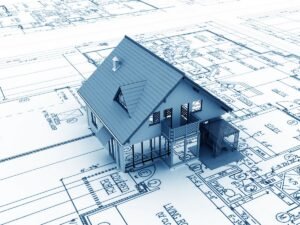
Flexibility in design is another gem of 3D modeling. In my experience, I’ve found that making changes on a 3D model is infinitely easier and more cost-effective than revising physical plans.
It’s like working with digital clay; you can mold and adapt the design as you go. This adaptability is crucial, especially when dealing with complex projects or when a client requests changes after seeing the initial design.
4. Improved stakeholder collaboration
Collaboration is the backbone of any successful construction project. 3D modeling fosters a collaborative environment by providing a common visual language for everyone involved. Whether you’re an architect, engineer, contractor, or client, having a 3D model as a reference point makes communication clearer and more effective.
It bridges the gap between technical jargon and practical understanding, ensuring that everyone is on the same page.
5. Efficient project management
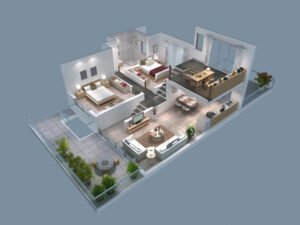
Efficient project management is like conducting an orchestra – everything needs to be in perfect harmony. 3D modeling plays a pivotal role here.
It enables project managers to track progress in real-time, foresee potential delays, and allocate resources more effectively. Imagine having a digital twin of your construction project that you can access anytime to make informed decisions.
6. Cost-effective resource use
In the world of construction, every penny counts. 3D modeling helps in optimizing the use of resources, translating to significant cost savings. By having a detailed model, you can accurately estimate the amount of materials needed, minimizing waste.
Plus, it aids in workforce allocation, ensuring that you have the right number of hands on deck at the right time. In essence, 3D modeling is not just a design tool; it’s a cost-saving strategy.
7. Reduced construction errors
Errors in construction can be costly and time-consuming. Thankfully, 3D modeling acts as a safeguard against such mishaps. By providing a detailed and scalable model of the project, it helps in identifying and rectifying errors before they manifest on the actual site.
This preemptive approach is crucial, especially in complex projects where the margin for error is slim. Think of 3D modeling as your project’s quality assurance expert.
8. Higher client satisfaction
At the end of the day, the goal is to make the client happy. 3D modeling significantly contributes to this by offering transparency and involving the client in the design process. Clients appreciate being able to see and understand the project through 3D models, which builds trust and satisfaction.
Moreover, the ability to make quick changes in the design based on client feedback enhances their experience and involvement. Happy clients often mean repeat business and good referrals, which are gold in the construction industry.
9. Facilitation of complex structures
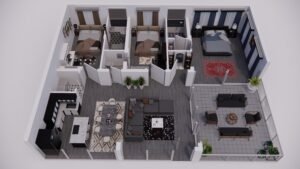
3D modeling is a game-changer when it comes to constructing complex structures. It’s like having a roadmap for a labyrinth. Traditional 2D plans can make it challenging to visualize and execute intricate designs.
With 3D modeling, you get a comprehensive view of how every component fits together. This clarity is invaluable, especially for projects with unique architectural features or complicated structural elements. It’s like unlocking a new level of creative freedom while maintaining precision.
10. Sustainable construction
Sustainability is not just a buzzword; it’s a necessity. 3D modeling aids in creating eco-friendly structures by optimizing material usage and reducing waste. It also allows for better energy modeling and efficient design layouts that contribute to lower carbon footprints.
By utilizing 3D models, you’re not just building for today; you’re building responsibly for the future. It’s about making a positive impact on the environment through thoughtful construction practices.
11. Faster project completion
Time is of the essence in construction, and 3D modeling helps in beating the clock. By allowing for better planning and coordination, 3D models streamline the construction process.
This efficiency leads to faster project completion, which is a win for both the construction team and the client. It’s like having a fast-forward button for your construction projects, without compromising on quality or safety.
12. Integration with advanced tech
3D modeling isn’t just a standalone tool; it’s a gateway to integrating other advanced technologies. Think augmented reality (AR), virtual reality (VR), and building information modeling (BIM).
These integrations can take project visualization and execution to a whole new level, offering immersive and interactive experiences. This synergy of technologies is transforming the construction industry, making it more innovative and forward-thinking.
13. Compliance with standards
Last but not least, 3D modeling helps in ensuring compliance with industry standards and regulations. With detailed models, it’s easier to adhere to building codes and safety norms.
This compliance is crucial not just for the legality of the project but also for the safety and well-being of the end-users. In a way, 3D modeling acts as a guardian, ensuring that your project meets all necessary standards and best practices.
Conclusion
3D modeling in construction is a technological boon, offering enhanced visualization, precision in design, and improved collaboration, leading to efficient project management, cost savings, and client satisfaction.
To conclude, the adoption of 3D modeling in construction and architecture is not just a trend but a strategic move towards smarter, more efficient, and more sustainable building practices.
Whether it’s through improved visualization, precise resource management, or fostering better client relationships, the advantages of 3D modeling are clear and compelling.
As someone who has witnessed the transformative power of this technology first-hand, I can confidently say that integrating 3D modeling into your construction processes is a decision you’re unlikely to regret. It’s a step towards not just building structures, but crafting legacies that stand the test of time and efficiency.