
Meta title: Architectural Rendering | 360 degree virtual tours
If you’re delving into the world of “360 degree virtual tours in Architecture,” there’s a good chance you’re seeking innovative ways to showcase or understand architectural spaces. Perhaps you’re an architect looking to present your designs more effectively, or maybe you’re a client or student of architecture eager to explore structures in a detailed, immersive manner. This need for a deeper, more interactive engagement with architectural spaces is what brings you here.
360-degree virtual tours in architecture are interactive, immersive experiences that allow users to explore architectural designs and spaces virtually. These tours provide a comprehensive view of a space, combining technology and creativity to enhance understanding and engagement in architectural projects.
This blog post is packed with insights and information that will transform your understanding of 360-degree virtual tours in architecture. From the underlying technology to their practical applications, we’ll explore how these tours are revolutionizing the field.
Whether you’re a professional in the industry or simply have an interest in architecture, you’ll find valuable information that will deepen your appreciation and knowledge of these innovative tools. Stay tuned to discover how 360-degree virtual tours can benefit you and change the way you view architecture.
What is 360 Degree Virtual Tour

Imagine stepping into a space without actually being there. That’s what 360-degree virtual tours offer. These tours provide a spherical view of an environment, allowing you to look around in every direction as if you were physically present.
It’s like having a panoramic view at your fingertips, but even better. You’re not just looking at a scene; you’re immersing yourself in it.
How does this magic happen, you ask?
It’s all about advanced photography and software. A series of photographs or videos are taken from a single vantage point and then stitched together using specialized software.
This creates a seamless, spherical view that can be explored interactively on a computer or a VR headset.
Benefits of 360 Degree Virtual Tours in Architecture
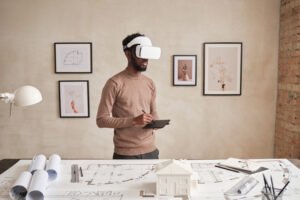
Have you ever wondered how 360-degree virtual tours are revolutionizing the field of architecture? These tours are not just fancy, immersive photographs.
They are a powerful tool, allowing architects, clients, and stakeholders to explore a space without physically being there. Imagine wearing a VR headset and walking through a building that hasn’t even been built yet.
In my experience, clients love being involved in the design process, and 360-degree virtual tours make this incredibly easy. They offer a unique way for clients to engage with a project, providing a realistic sense of space and scale that traditional blueprints or 3D models can’t match.
Enhancing Design Visualization
From an architect’s perspective, these virtual tours are a game-changer. They allow us to spot potential design issues before they become real problems.
The level of detail is astonishing – you can virtually stand in a room and look around, getting a sense of how light falls at different times of the day or how the space flows.
Streamlining Communication and Feedback
With 360-degree virtual tours, it’s easier to communicate your vision to clients and team members.
This technology bridges the gap between technical architectural language and the client’s understanding. Feedback becomes more precise and actionable, saving time and reducing misunderstandings.
Cost-Effective Project Planning
Implementing 360-degree virtual tours can be surprisingly cost-effective in the long run. It reduces the need for physical models and frequent site visits, which not only saves money but also speeds up the decision-making process.
Step-by-Step Process of Creating a 360-degree tour
Step 1. Choosing the Right Equipment
The first step is all about getting the right tools for the job. You’ll need a 360-degree camera that can capture high-quality images from all angles. There’s a range of cameras available, from budget-friendly options to professional-grade equipment. Don’t forget a sturdy tripod too – stability is key for clear, seamless shots.
Step 2. Preparing the Space
Before you start snapping pictures, it’s crucial to prepare the space. This means cleaning and decluttering, ensuring each room looks its best. Lighting is also important; make sure each area is well-lit to avoid dark or unevenly lit spots in your tour.
Step 3. Capturing the Images
Place your camera in the center of the room, ensuring it’s level and at an appropriate height. You should capture images from multiple points within a space to give a comprehensive view. Remember, the more angles you cover, the more immersive the tour will be.
Step 4. Stitching the Images Together
Once you’ve captured all your images, it’s time to stitch them together. This is done using specialized software that seamlessly blends the edges of each image, creating a smooth, spherical panorama. It’s a bit like putting together a jigsaw puzzle, but with digital images.
Step 5. Adding Interactive Elements
To make your tour more engaging, consider adding interactive elements. This could be information hotspots, audio guides, or even links to related content. This step is about enhancing the user experience and providing more than just a visual tour.
Step 6. Testing and Refining
Always test your tour before releasing it. Walk through the tour yourself and see how it feels. Check for any glitches or areas that could be improved. A well-tested tour ensures a smooth, enjoyable experience for your audience.
Step 7. Publishing and Sharing
The final step is to publish and share your tour. This could be on your website, social media, or a dedicated virtual tour platform. Make sure it’s easy to access and compatible with different devices, so everyone can enjoy your creation.
Technology Behind 360 Degree Virtual Tours

Panoramic Photography Techniques
Panoramic photography is the cornerstone of creating 360-degree virtual tours. This technique involves capturing images in a wide, horizontal format. It’s not just about snapping a picture; it’s an art form.
The photographer must carefully choose the right vantage points, ensuring that each image covers a wide field of view with minimal distortion. Overlapping these images just right is crucial for a seamless panoramic view. It’s like painting a canvas, but with a camera.
Software for Tour Creation
Once the images are captured, they need to be stitched together, and this is where specialized software comes in. There are many options available, each with its own set of features.
Some are user-friendly for beginners, while others offer advanced functionalities for professionals. The right software can make or break a virtual tour. It’s like the glue that holds all your images together, transforming them into a cohesive, navigable space.
Virtual Reality (VR) Integration
Virtual reality takes 360-degree tours to the next level. By integrating VR, users can immerse themselves completely in the virtual space.
It’s not just viewing; it’s experiencing. With a VR headset, you can look around as if you were actually in the space, making the experience incredibly realistic.
This technology is rapidly evolving, and its integration into virtual tours is a game-changer, especially in fields like architecture and real estate.
360 Degree Camera Technology
The heart of a 360-degree virtual tour is the camera technology. These cameras are specially designed to capture images in 360 degrees. They come equipped with multiple lenses that cover all angles, ensuring that every corner of the space is captured.
The technology behind these cameras is constantly advancing, offering higher resolution, better image stabilization, and more seamless integration with software and VR.
In my experience, investing in a good quality 360-degree camera is crucial for producing professional-grade virtual tours.
Conclusion
360-degree virtual tours in architecture offer a unique, immersive way to experience and understand architectural spaces. They combine panoramic photography, sophisticated software, and sometimes virtual reality, to create interactive tours that are revolutionizing the field.
In conclusion, 360-degree virtual tours represent a significant leap in architectural visualization and presentation. They not only offer architects and clients an immersive way to explore and understand spaces but also foster a deeper appreciation of architectural design.
For anyone involved in architecture, whether as a professional or an enthusiast, embracing these tours is stepping into a future where technology enhances our interaction with and understanding of spaces.